Strange Tastes, Rusty Stains, and Cloudy Water: What Your Tap May Be Telling You
You turn on the kitchen tap to fill a glass, and something seems off. Perhaps the water has a faint metallic taste, a strange smell, or tiny particles floating near the bottom of the glass. Maybe you’ve noticed orange marks around the sink that keep returning, no matter how often you clean them. It’s easy […]
You turn on the kitchen tap to fill a glass, and something seems off. Perhaps the water has a faint metallic taste, a strange smell, or tiny particles floating near the bottom of the glass. Maybe you’ve noticed orange marks around the sink that keep returning, no matter how often you clean them. It’s easy to dismiss these signs as minor household annoyances, especially when the water still looks reasonably clear.
But water can reveal quite a bit about what’s happening beneath the surface. Dissolved minerals, naturally occurring gases, and particles carried through pipes can all affect its appearance, smell, and performance around the home. Understanding these changes helps you choose a sensible solution instead of spending money on a filter that may not address the actual problem.
When Water Leaves Rust-Coloured Marks
One of the more common water complaints is reddish-brown staining around sinks, toilets, bathtubs, and laundry. Sometimes, the marks appear gradually. Other times, they seem to show up overnight, leaving you wondering whether your cleaning products have suddenly stopped working.
A frequent cause is iron in the water. It can occur naturally in groundwater, particularly where water passes through iron-bearing rocks and soil. It may also enter the supply through corroding pipes, fittings, or storage tanks.
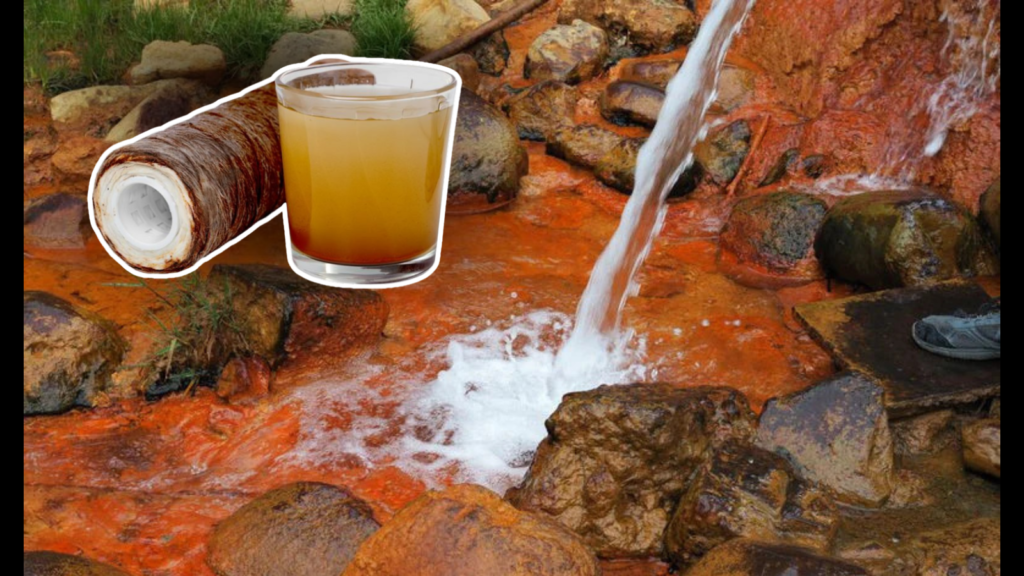
When dissolved iron comes into contact with oxygen, it can oxidise and form visible reddish or brownish particles. These may settle on bathroom surfaces, discolour laundry, and affect the taste of drinking water. In some cases, water looks clear as it comes from the tap but develops a rusty appearance after standing for a while.
The distinction matters because the right treatment depends on the form and concentration of iron present. Some filtration systems can remove particulate iron, while dissolved iron may require oxidation followed by filtration or another specifically designed process.
Before choosing equipment, test the water. If staining starts suddenly, appears alongside reduced pressure, or affects several taps at once, have the plumbing and water supply checked as well. A filter won’t necessarily solve a problem caused by deteriorating pipes.
That Unpleasant Smell May Have a Natural Cause
Few things put people off drinking water faster than an unusual smell. A glass may look perfectly normal, yet the moment you bring it close, there’s a noticeable odour. Some people describe it as rotten eggs, while others notice an earthy or musty smell.
A rotten-egg odour can be associated with sulfur compounds, particularly hydrogen sulfide. This gas may occur naturally in groundwater and can sometimes develop in plumbing or water-heating systems. Even at relatively low concentrations, its smell can be unpleasant.
The source isn’t always obvious. If the odour appears only when using hot water, the water heater may be involved. If both hot and cold water smell unusual, the issue may originate in the incoming supply, a well, or another part of the plumbing system.
Treatment depends on the cause and concentration. Aeration, oxidation, specialised filtration, and other methods may help in appropriate circumstances, but no single option works for every situation. A professional assessment is especially useful when the smell is persistent or accompanied by other changes.
It’s also worth remembering that not every unpleasant water odour is caused by sulfur. Organic matter, plumbing issues, and problems within household storage systems can produce different smells.
If the odour is sudden, severe, or accompanied by illness, unusual colour, or an official water-safety warning, don’t rely on a household filter to make the water safe. Follow local public-health advice and arrange suitable testing.
Why Water Sometimes Looks Cloudy
Cloudy water can be alarming, particularly when you’re used to filling a clear glass straight from the tap. Yet cloudiness doesn’t always indicate contamination.
One common explanation is tiny air bubbles trapped in the water. Fill a glass and leave it on the counter for a minute. If the cloudiness gradually clears from the bottom upward, trapped air is a likely explanation. This often happens after changes in water pressure or temperature.
Other causes deserve closer attention. Fine particles may enter water from disturbed pipes, a private well, or a poorly maintained storage tank. In some cases, deposits from plumbing can also affect clarity.
These suspended particles are known as sediment. Depending on their source, they may include sand, silt, rust flakes, or other material carried along with the water. Larger particles might settle at the bottom of a container, while finer material can remain suspended for much longer.
Sediment filtration can help when the problem is confirmed. Simple cartridge filters are available for certain particle sizes, while homes with heavier loads may need a larger pre-filtration system. Choosing the correct micron rating matters: a filter that’s too coarse may allow unwanted particles through, while one that’s unnecessarily fine may clog quickly and restrict flow.
Cloudiness that doesn’t clear, especially when combined with unusual colour or smell, should be investigated rather than automatically attributed to air.
Start With Testing, Not Guesswork
It’s tempting to buy a filter after reading a few reviews or hearing what worked for a neighbour. The trouble is that two homes can have very different water conditions, even when they’re in the same neighbourhood.
A basic assessment should consider the water source, visible changes, odour, staining, and any known plumbing issues. Laboratory testing can identify relevant contaminants and measure substances such as iron, depending on the test selected. Private wells and borewells may need more comprehensive testing than a simple visual inspection can provide.
For households receiving municipal water, check available water-quality reports and local advisories. If a problem seems limited to one tap, compare it with other outlets before assuming the entire supply is affected.
It’s also helpful to collect a clear description of the problem. Does the water smell only in the morning? Does the colour change after heavy rain? Are particles more noticeable after the tank is cleaned? These details can help a plumber or water-treatment specialist narrow down the likely cause.
Choosing a Treatment That Actually Helps
Once you know what’s present, compare systems designed for that specific issue. Sediment filters remove suspended particles, while iron-removal systems may use oxidation, filtration, or specialised media. Treatment for sulfur-related odours depends on whether the problem involves hydrogen sulfide, bacteria, or another source.
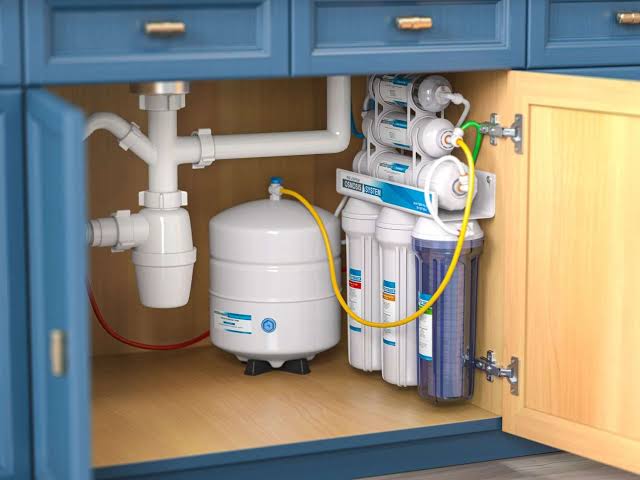
Activated carbon filters can improve certain tastes and odours, but they aren’t a universal solution for dissolved metals or every water contaminant. Reverse osmosis can reduce various dissolved substances, depending on the system and membrane, yet it also requires maintenance and may not be the most practical choice for every household.
Look beyond the purchase price. Replacement cartridges, electricity, wastewater, servicing, and the availability of spare parts all affect long-term cost. A reliable installer should explain what the system removes, what it doesn’t remove, and how its performance will be checked.
Clearer Water Begins With Better Information
Unusual water doesn’t automatically mean there’s a serious problem, but it shouldn’t be ignored either. Rust-coloured stains, persistent odours, and particles in a glass are useful clues. They can point toward naturally occurring substances, plumbing deterioration, or issues with storage and filtration.
The sensible first step is to identify the cause, then match the treatment to the findings. Sometimes the answer is a simple filter or plumbing repair. In other cases, proper testing and a more specialised system are necessary.
Clean-looking water is reassuring, but appearance alone cannot establish safety. With careful testing, routine maintenance, and the right treatment for your home’s needs, you can make better decisions and feel more confident about the water your family uses every day.