Category: Business

Your blog category

  • Finding the Right CPA Near You: A Complete Guide to Professional Tax Support

    Finding the Right CPA Near You: A Complete Guide to Professional Tax Support

    Managing personal or business finances can be challenging, especially when tax regulations change frequently. Whether you are an individual filing annual taxes or a business owner managing complex financial records, working with a qualified Certified Public Accountant (CPA) can make the process easier and more efficient. Many people search online for cpa near me to find a reliable professional who can guide them through tax preparation, financial planning, and compliance requirements.

    A CPA is a licensed accounting professional who has passed rigorous examinations and meets strict education and experience standards. CPAs offer a wide range of financial services, including tax preparation, auditing, bookkeeping, financial consulting, and business advisory services. Their expertise ensures that individuals and businesses remain compliant with tax laws while maximizing financial opportunities.

    When looking for a cpa for your financial needs, it is important to consider experience, specialization, and client reviews. Not all accountants provide the same services, so choosing one who understands your specific financial situation is essential. For example, small business owners may need assistance with payroll taxes, financial reporting, and long-term tax strategies, while individuals may need help with deductions, credits, and yearly tax filing.

    For residents and businesses in California, hiring a cpa fremont ca can provide local expertise and personalized financial guidance. Local CPAs understand state regulations, local tax rules, and regional business environments. This knowledge can be particularly helpful when dealing with California’s unique tax structure, which often differs from federal tax requirements. A local CPA can also offer in-person consultations, making it easier to discuss financial strategies and resolve tax concerns quickly.

    Another common search people make during tax season is tax consultant near me. Tax consultants specialize in helping clients reduce tax liabilities, plan for future financial goals, and ensure accurate tax filings. They analyze financial records, identify eligible deductions, and develop strategies to legally minimize taxes. With professional tax guidance, individuals can avoid costly mistakes and ensure that all financial documents are properly prepared.

    Businesses, in particular, benefit from hiring tax professionals. Corporate taxes, employee payroll taxes, and sales tax regulations can be complicated to manage without expert assistance. A knowledgeable accountant can streamline financial processes, improve record-keeping practices, and help businesses stay compliant with federal and state tax laws.

    If you want comprehensive financial support, hiring a cpa tax accountant near me is one of the best decisions you can make. These professionals combine accounting knowledge with tax expertise, offering services such as tax planning, financial statement preparation, and audit support. Their role is not only to file taxes but also to help clients make smarter financial decisions throughout the year.

    Choosing the right CPA involves a few important steps. First, verify the accountant’s credentials and licensing. Certified Public Accountants must meet professional standards and continue their education regularly. Second, review their experience with similar clients. An accountant who regularly works with small businesses may be the best choice for entrepreneurs, while individuals with complex investments might need someone specializing in personal finance.

    It is also helpful to schedule an initial consultation before making a decision. During this meeting, you can discuss your financial goals, tax concerns, and the services the CPA offers. Clear communication and transparency about fees and services will help build a strong professional relationship.

    In today’s complex financial environment, working with a professional accountant provides peace of mind. From accurate tax filings to long-term financial planning, a qualified CPA can help individuals and businesses manage their finances more effectively.

    By choosing the right accounting professional, you can ensure compliance, reduce stress during tax season, and build a stronger financial future. Whether you need help with personal taxes or business accounting, partnering with an experienced CPA is a smart investment in your financial success.

  • Buying a Business Isn’t Just a Transaction — It’s a Commitment

    Buying a Business Isn’t Just a Transaction — It’s a Commitment

    There’s something oddly romantic about the idea of buying a business. You skip the sleepless startup phase, inherit customers, revenue, maybe even a loyal team. On paper, it looks efficient — almost like stepping onto a moving train instead of building the tracks yourself.

    But then reality shows up. Numbers, contracts, negotiations, risk. Suddenly it’s less romantic and more… real.

    If you’ve been Googling how to buy a business, you’ve probably already realized there’s no single formula. No tidy checklist that magically guarantees success. There are steps, yes. But there’s also instinct, patience, and a fair amount of due diligence that doesn’t fit neatly into bullet points.

    And that’s where things get interesting.


    Start With Why, Not What

    Before scanning listings or calling brokers, pause for a second. Why do you want to buy a business?

    Is it financial freedom? A lifestyle shift? A way to diversify investments? Or maybe you’re simply tired of corporate life and want control.

    Clarity here matters more than most people admit. Because the “right” business depends entirely on your goals. A high-growth tech firm might look appealing — until you realize you don’t want 80-hour weeks. A steady manufacturing company might seem boring — until you appreciate its consistent cash flow.

    The truth is, buying a business is less about finding the hottest opportunity and more about finding the right fit.


    The Search Is Broader Than You Think

    Some buyers scroll online marketplaces. Others connect with brokers. The more strategic ones quietly network, letting industry contacts know they’re exploring acquisitions.

    You’d be surprised how many deals happen privately. Owners don’t always want public listings. They test the waters discreetly.

    That’s why relationships matter. Conversations matter. Reputation matters.

    And patience — well, that’s essential. The first opportunity you see rarely ends up being the one you buy. Sometimes it takes months of reviewing financials and walking away before something feels right.


    Numbers Tell a Story — If You Listen

    Revenue alone doesn’t impress seasoned buyers. What matters is sustainability.

    Is income recurring or one-off? Are customers diversified or concentrated? Are margins consistent or volatile? Financial statements reveal patterns — and patterns reveal risk.

    When reviewing numbers, don’t just skim. Dig. Ask why margins dipped last year. Ask why expenses spiked. Ask why customer churn increased.

    A thoughtful business purchasing guide will tell you to analyze profit and loss statements, balance sheets, and cash flow reports. But beyond that, try to understand the narrative behind them.

    Every business has a story. Some are steady. Some are messy. Your job is to decide whether you can manage — or improve — that story.


    Culture Can’t Be Measured on a Spreadsheet

    Here’s something that gets overlooked: people.

    When you buy a business, you’re not just acquiring assets. You’re stepping into relationships — with employees, customers, suppliers. Their loyalty may be tied to the previous owner.

    Spend time on-site. Observe how the team interacts. Notice whether morale feels healthy or strained.

    If key employees plan to leave after the sale, that’s a red flag. If the business relies entirely on the founder’s personal relationships, transition risk increases.

    Sometimes, what feels like a strong financial deal falls apart because cultural alignment isn’t there.

    And culture, once broken, is hard to rebuild.


    Negotiation Is More Than Price

    Let’s talk about the deal itself.

    Price matters, obviously. But structure can matter even more.

    Is the seller offering financing? Is there an earn-out tied to performance? Will they stay on during transition?

    These terms shape your risk profile. A slightly higher purchase price with seller financing might feel safer than a lower price with all cash upfront.

    This is where understanding the broader m&a process becomes critical. It’s not just about signing an agreement. It’s about navigating due diligence, drafting purchase agreements, clarifying representations and warranties, and managing working capital adjustments.

    It sounds technical — and it is. But it’s manageable with the right advisors.


    Due Diligence: The Uncomfortable Phase

    Due diligence isn’t glamorous. It’s detailed. Exhaustive. Occasionally awkward.

    You’ll request tax returns, contracts, employment agreements, lease documents, maybe even litigation history. You’ll verify inventory. Confirm accounts receivable. Validate licenses.

    The goal isn’t mistrust. It’s clarity.

    If something feels off, pause. It’s better to walk away during diligence than regret moving forward later.

    And don’t rush. Sellers sometimes push for quick closings. But haste can blur important details. Slow down when needed.


    Financing the Acquisition

    Most buyers don’t pay entirely out of pocket. Bank loans, SBA financing, private investors, seller notes — there are multiple routes.

    Each option comes with trade-offs. Debt increases leverage but also adds pressure. Bringing in investors reduces personal risk but dilutes control.

    Choose carefully. Financing should align with your comfort level and growth strategy.

    And remember, buying the business is only the beginning. You’ll need working capital to operate and potentially invest in improvements.


    The First 90 Days After Closing

    Ownership doesn’t magically feel smooth on day one.

    There’s an adjustment period. Employees test your leadership style. Customers watch closely. Systems may need refinement.

    Resist the urge to overhaul everything immediately. Observe first. Learn how things truly function.

    Gradual improvements often work better than sweeping changes.

    And communicate openly. Reassurance goes a long way during transitions.


    Not Every Opportunity Is Meant for You

    Here’s something I’ve learned: walking away is powerful.

    It’s easy to get emotionally attached after weeks of negotiations. But if something doesn’t align — financially, culturally, strategically — it’s okay to step back.

    Another opportunity will come.

    Buying a business is a commitment measured in years, sometimes decades. Short-term excitement shouldn’t override long-term clarity.


    In the End, It’s a Leap — But an Informed One

    There’s no such thing as a risk-free acquisition. Uncertainty is part of entrepreneurship.

    But informed risk feels different from blind risk.

    When you understand the numbers, respect the culture, negotiate thoughtfully, and approach the process with patience, buying a business becomes less intimidating.

  • Website Development in Atlanta: From Design to Digital Excellence

    Website Development in Atlanta: From Design to Digital Excellence

    Atlanta has become a hub for digital innovation, where creativity meets technology to shape modern business identities online. The city’s thriving tech culture and entrepreneurial spirit have fostered a new wave of agencies and developers specializing in Website Development Atlanta, offering businesses of all sizes tailored digital solutions that deliver measurable results. Building a website is no longer just about aesthetics—it’s about creating a strategic platform that drives engagement, strengthens brand identity, and converts visitors into loyal customers.


    Understanding the Foundation of Web Development

    Before diving into design and functionality, businesses must first define the purpose and goals of their website. This stage involves understanding the target audience, market positioning, and desired outcomes—whether it’s lead generation, e-commerce sales, or brand awareness. A clear strategy sets the direction for all subsequent steps.

    For example, a boutique law firm in Atlanta might prioritize a professional yet approachable design with strong calls to action for consultation requests. In contrast, a local restaurant may focus on visual storytelling, integrating photography and menu navigation to encourage online reservations. The foundational planning ensures that the website’s layout, content, and functionality all serve a common business objective.


    The Art and Science of Web Design

    Web design combines creativity with strategy. An effective website design is not only visually appealing but also user-focused and functional. Modern Atlanta-based web development teams emphasize responsive design, ensuring that websites perform seamlessly across devices. With over 60% of web traffic coming from mobile devices, responsiveness is no longer optional.

    Executing great design starts with wireframing—a blueprint that outlines where content, images, and buttons will appear. Next comes the visual design phase, where colors, fonts, and imagery are carefully selected to match brand identity. For instance, an Atlanta fitness brand might use bold typography and high-contrast colors to convey energy, while a wellness clinic may opt for calm tones and clean lines. Testing prototypes with users before launch helps refine the design and improve usability.


    Building the Backend: Where Functionality Lives

    While design captures attention, the backend ensures everything runs smoothly. This part of website development involves coding and database integration that powers the front end. Developers often choose platforms and languages based on scalability needs—WordPress for content-driven sites, Shopify for e-commerce, or custom-coded frameworks like React and Django for complex applications.

    To execute a strong backend build, developers should start by setting up a reliable hosting environment and database structure. Then, integrate essential tools such as content management systems (CMS) to make future updates easier. For example, a digital marketing firm in Atlanta might implement custom CMS solutions that allow clients to update blog posts or portfolios without technical help. Testing functionality at each stage—forms, login systems, and checkout processes—ensures that users experience seamless interaction from start to finish.


    Content Strategy: Telling the Brand Story

    A website’s design and development are only as strong as its content. Content strategy involves creating text, visuals, and videos that speak directly to the target audience. This includes crafting engaging homepage copy, service descriptions, blog articles, and multimedia assets that build credibility and connection.

    Execution begins with keyword research and audience analysis. Businesses should identify what their customers are searching for and align those insights with their messaging. For instance, a digital marketing agency in Atlanta might publish SEO-optimized blog posts about social media trends, while a healthcare clinic could produce educational content about patient wellness. Incorporating strong calls to action, internal linking, and structured data also helps search engines rank the website higher while keeping visitors engaged.


    SEO and Performance Optimization

    Even the most beautifully designed website can fail without proper search engine optimization (SEO) and technical performance. SEO ensures that your site is discoverable to the right audience, while performance optimization guarantees fast loading times and a smooth user experience.

    To execute an effective SEO strategy, developers and marketers must work together. This involves on-page optimization—using meta titles, image alt tags, and header structures effectively—and off-page efforts like building backlinks and managing local listings. For performance, tools like Google PageSpeed Insights can identify areas for improvement. Techniques such as compressing images, enabling browser caching, and minimizing code bloat ensure that websites load quickly, which is especially vital for mobile users. For example, Atlanta-based retailers can retain more customers by shaving just a second off their mobile load time.


    Integrating Analytics and Conversion Tracking

    A well-built website should not only attract traffic but also track its performance effectively. Integrating analytics tools such as Google Analytics, Tag Manager, and Hotjar allows businesses to monitor user behavior, conversion rates, and engagement trends.

    Implementation starts with setting up goal tracking—measuring actions like form submissions, clicks, or downloads. Heatmaps and session recordings reveal how users interact with different sections, helping developers and marketers adjust layout or messaging for better results. For instance, an Atlanta-based e-commerce store could discover through analytics that most users abandon carts on the payment page and use that insight to simplify checkout processes. Continuous monitoring ensures ongoing improvement and higher return on investment.


    Security and Maintenance: Keeping Your Website Safe and Updated

    A professional website requires ongoing maintenance to ensure performance, security, and relevance. Cyber threats and outdated software can expose vulnerabilities that compromise user data and business reputation.

    Maintenance strategies include updating plugins, backing up data, and running regular security scans. SSL certificates are essential for encrypting user information, especially for websites that collect personal data or handle transactions. Businesses should also perform periodic audits—testing links, removing outdated content, and optimizing for new SEO standards. For example, an Atlanta financial consultancy might schedule monthly security checks to maintain compliance with client data protection regulations.


    Achieving Digital Excellence in Atlanta

    Website development is an ongoing process of refinement and innovation. From strategy and design to analytics and security, each phase builds upon the last to create a cohesive digital experience that aligns with business goals. Atlanta’s diverse digital landscape offers companies access to creative talent, cutting-edge tools, and a thriving community of professionals who turn ideas into impactful online presences. Whether it’s a startup looking to make its mark or an established business seeking digital transformation, achieving excellence in Website Development Atlanta means committing to quality, user experience, and continuous evolution.

  • Understanding the Importance of a Feasibility Study for Sustainable Growth and Investment Success

    Understanding the Importance of a Feasibility Study for Sustainable Growth and Investment Success

    Before embarking on any major project—whether in business, infrastructure, or environmental sustainability—it’s essential to understand if the plan is truly viable. That’s where a Feasibility Study comes into play. This comprehensive evaluation helps organizations, investors, and policymakers determine the practicality, profitability, and sustainability of their proposed ventures before making significant financial commitments.

    What is a Feasibility Study?

    A feasibility study is a systematic analysis designed to assess the potential success of a proposed project. It takes into account economic, technical, operational, legal, and scheduling factors to evaluate whether the project is worth pursuing. Essentially, it answers the question: “Can this idea work, and is it worth the risk?”

    By performing this study, decision-makers gain insights into potential challenges and benefits, helping them make informed choices backed by data rather than assumptions.

    The Role of a Carbon Credit Feasibility Study

    As the world continues its shift toward sustainability, environmental feasibility assessments have become increasingly important. A Carbon Credit Feasibility Study helps organizations explore opportunities in carbon markets—where companies can offset their emissions by investing in renewable energy, afforestation, and other carbon-reducing projects.

    This study typically evaluates factors such as the project’s carbon reduction potential, cost-effectiveness, verification standards, and compliance with international frameworks like the Paris Agreement. It provides a roadmap for businesses that want to engage in carbon trading or develop eco-friendly projects that generate certified emission reductions (CERs).

    By conducting such a study, companies can identify financial benefits, meet ESG (Environmental, Social, and Governance) goals, and align with global sustainability trends while contributing to climate action.

    USDA Feasibility Study: Supporting Agricultural Innovation

    In the agricultural sector, the USDA Feasibility Study plays a critical role in helping farmers, cooperatives, and agribusinesses evaluate new ventures. Supported by the United States Department of Agriculture, these studies are often part of loan and grant application processes for rural development or agricultural innovation.

    For example, if a farmer wants to start a renewable energy project using agricultural waste, the USDA requires a detailed feasibility report outlining financial projections, technical requirements, and environmental impacts. This ensures that public funds are directed toward viable, sustainable projects that strengthen rural economies.

    Hotel Feasibility Study: A Blueprint for Hospitality Success

    For investors in the hospitality industry, conducting a Hotel Feasibility Study is non-negotiable. Before developing or acquiring a property, this study assesses market demand, competition, location advantages, projected occupancy rates, and return on investment.

    By understanding local tourism trends, economic conditions, and customer demographics, developers can make smarter decisions about pricing, amenities, and marketing strategies. This minimizes risks and maximizes profitability. For both new and existing hotels, the feasibility study serves as a foundational document that guides planning, financing, and execution.

    Infrastructure Feasibility Study: Building the Future Responsibly

    Infrastructure projects—such as roads, bridges, railways, and energy plants—require massive investments and long-term commitments. A Infrastructure Feasibility Study evaluates the technical, environmental, financial, and social aspects of these projects to determine their overall viability.

    Such studies help governments and private investors avoid costly missteps by identifying potential risks early on. They assess factors like environmental impact, land acquisition challenges, regulatory approvals, and long-term maintenance requirements. With the growing focus on sustainable infrastructure, these studies ensure projects are both economically sound and environmentally responsible.

    Why Feasibility Studies Matter

    Feasibility studies reduce uncertainty, enhance strategic decision-making, and attract investors. They also serve as a foundation for business plans, funding applications, and regulatory approvals. Whether it’s a carbon credit initiative, a new hotel venture, or an infrastructure megaproject, conducting a feasibility study ensures that resources are used wisely and success is achievable.

    In today’s fast-paced global economy, skipping this critical step can lead to wasted investments and missed opportunities. Therefore, a detailed, well-researched feasibility study remains one of the most valuable tools for any forward-thinking organization.

    In short, understanding and investing in feasibility assessments is not just smart business—it’s the cornerstone of sustainable, profitable growth.

  • Best Online Bonds to Invest in India – Investor’s Guide

    Best Online Bonds to Invest in India – Investor’s Guide

    India is one of the nations where bonds are available in both physical and dematerialised forms, but mostly through online mechanisms for easy accessibility. This guide brings an insightful light into the investor by explaining the different bond types that an investor can invest in, the online processes of buying, and how applications like the Bajaj Broking app aid such works. 

    What are Bonds?

    Bonds are almost marginal creditors. One buys such a bond for a specific time and creates a limited-time debt contract in which he/she lend money to the issuer. In turn, it pays interest at fixed date(s), and at maturity it pays the principal amount to the bondholder. Hence, because of this certain and predictable cash flow, bonds are known as fixed-return instruments generically.

    Investments in Other Bonds in India Other than Those Mentioned Above

    There is a huge range of bonds that are held by various investors in India. There are unique characteristics attached to each of them along with a specific risk-return profile.

    Government Bonds

    These are issued with the guarantee of the Government of India or a state government:

    These are sovereign-backed: a return will be guaranteed.

    G-Secs and Treasury Bills fall under them.

    Corporate Bonds

    Limited companies and public corporations sell to raise capital.

    These coupon rates despite the credit rating of the issuer.

    The high-rated companies earn lower yields than their lower-rated competitors.

    Tax-Free Bonds

    These are the government-backed institutions, such as NHAI, REC, or PFC.

    Interest income in this case stands exempt from the income tax under Section 10 of the Income Tax Act.

    Municipal Bonds

    The bonds are issued by the municipal bodies for funding infrastructure projects.

    They can be raised as public issues and through private placements.

    Sovereign Gold Bonds (SGBs)

    These are issued by the Reserve Bank of India (RBI) on behalf of the government.

    These are denominated in grams of gold. Annual interest is payable.

    Infrastructure Bonds

    These are issued toward financing energy, transportation, and utilities projects. 

    Why Invest in Bonds Online?

    This online mode of investment now enables easy accessibility to both issuing and secondary markets for investment. Other advantages include:

    Convenience: Investors get the opportunity to view, compare, and purchase online bonds.

    Transparency: A price, yield, and rating are available for consideration before making a purchase.

    Variety: All government, corporate, and tax-free bonds are available in the same place. 

    Keeping Record: This results in easy tracking via direct credit of holdings to the Demat Account. 

    How to Invest in Bonds Online in India

    Step 1: Open a Demat and Trading Account

    For holding in bonds in electronic format, a Demat Account is mandatory, while a Trading account is required for executing transactions on exchanges. 

    Step 2: Select the Platform

    Investors can choose the Bajaj Broking App, where they would get to see and invest in all the bonds available. These apps connect the market data with credit ratings and maturity details. 

    Step 3: Review About Bond 

    Before buying a particular bond, the investor has to consider the above:

    Coupon rate

    Maturity date

    Credit rating of the issuer 

    Yield-to-Maturity (YTM) 

    Liquidity in the secondary market

    Step 4: Place the Order

    The orders are placed online through the app or trading platform, with the purchased bonds transferred to the buyer’s Demat account. 

    Step 5: Monitoring Investments 

    The online platform would monitor the holding of bonds, receipt of coupon payments, and culminating activities. 

    An Online Investment with the Bajaj Broking App towards Bonds: 

    Bajaj Broking App is an integrated application designed solely for investors in Bonds to invest in India and facilitate such functionalities.

    Dedicated segment for bonds includes government, corporate, and tax-free bonds.

    Live prices, yields, and credit ratings for bonds. 

    Integration through Demat and Trading Account for all trades. 

    Portfolio tracker that includes maturity schedules and coupon tracking. 

    Literary material elucidating different types of bonds. 

    Factors to Consider Before Choosing Bonds to Invest 

    Credit Rating

    Rating by either CRISIL, ICRA, or CARE indicates the capacity of the issuer to pay. 

    Yield to Maturity (YTM) 

    Significantly describes the return expected when the bond is held until its maturity of bonds.

    Liquidity 

    Some bonds have a huge activity in secondary markets, whereas others are liquid in smaller quantities. 

    Interest Rate Environment 

    Bond prices and prevailing interest rates are inversely related. Increasing interest rates would mean a decrease in the price of bonds. 

    Tenure 

    The shorter the period, the quicker the return on money, while, on the other hand, the longer the period, the more the funds are locked in. 

    Tax Implications 

    While interest income from tax-free bonds is exempted, taxable bonds would be taxed as per applicable slabs. 

    Conclusion 

    Bonds still constitute one of the major investments in India, offering fixed returns along with diversification. Digital platforms trail the investor last in identifying and accessing all types of Bonds into which one can invest. The Bajaj Broking App, of course to offer a well-defined method of investing in government, corporate, and tax-free bonds, complements that with trading and tracking options. Now that the investor understands the performance of bonds generally, their risk aspects, and the regulatory framework, he has positioned himself quite well to invest online in bonds.

  • Lump Sum Calculator vs. SIP Calculator—Which Is Better for You?

    Lump Sum Calculator vs. SIP Calculator—Which Is Better for You?

    Investing in mutual funds has become a preferred choice for individuals aiming to build wealth over time. Among the different strategies available, Systematic Investment Plans (SIPs) and lump-sum investments stand out as popular options. However, estimating the potential returns from these investments can seem challenging without the right tools. This is where an SIP calculator, a plan calculator, and a lump sum calculator come into play. These tools help investors plan effectively, make informed decisions, and stay aligned with their financial goals.

    What Is an SIP?

    A Systematic Investment Plan (SIP) allows you to invest a fixed amount at regular intervals, typically monthly, into a mutual fund scheme. Instead of investing a large sum at once, you spread your investments over time. This approach promotes disciplined investing and reduces the impact of market volatility through rupee cost averaging. SIPs are ideal for individuals looking to create long-term wealth with manageable contributions.

    In contrast, a lump-sum investment involves investing a substantial amount at one go. This strategy works well for those who have surplus funds and want to deploy them in mutual funds for long-term growth.

    Both methods have their benefits, but how do you know the potential returns each can generate? This is where financial calculators become essential.

    Why Use an SIP Calculator?

    An SIP calculator is a simple yet powerful tool that estimates the future value of your investments based on the amount you invest, the duration, and the expected rate of return. It eliminates guesswork and provides a clear picture of how your wealth can grow over time.

    When you use an SIP plan calculator, you can experiment with different investment amounts, periods, and return assumptions to understand how each factor impacts your goal. For example, increasing your SIP contribution by a small amount or extending the tenure can significantly enhance your maturity amount.

    Key Benefits of Using an SIP Calculator

    • Accurate Estimation: It gives an approximate value of returns you might earn over time.
    • Goal Planning: Helps in setting realistic financial goals such as buying a house, funding education, or retirement planning.
    • Flexibility: You can modify inputs like investment amount and duration to see the effect on future returns.
    • Time-Saving: Manual calculations can be complex and time-consuming, whereas an online SIP calculator delivers quick results.

    How Does an SIP Calculator Work?

    The working principle of an SIP calculator is based on the compound interest formula. When you invest through SIP, your contributions earn returns, and these returns are reinvested, leading to compounding growth.

    The formula often used is

    M = P × {[(1 + r)^n – 1] ÷ r} × (1 + r)

    Where:

    • M = Maturity amount
    • P = SIP amount
    • r = Rate of return divided by 12
    • n = Total number of payments (months)

    By entering your SIP amount, investment duration, and expected annual return, the calculator projects the total value you could accumulate.

    Why Use a Calculator?

    A lump sum calculator works differently because the entire amount is invested at once. Here, the growth is calculated using a compound interest formula on the principal amount for the selected period at an assumed rate of return.

    The formula generally applied is

    A = P × (1 + r/n)^(n×t)

    Where:

    • A = Final amount
    • P = Principal investment
    • r = Annual interest rate (as a decimal)
    • n = Number of times interest is compounded per year
    • t = Number of years

    Using a lump sum calculator gives clarity on how a one-time investment grows over time and how long it might take to reach a specific financial target.

    SIP vs. Lumpsum: Which Should You Choose?

    Choosing between SIP and lump sum depends on factors like financial stability, market conditions, and investment goals. SIPs are often preferred for salaried individuals with regular income, as they allow gradual investment and reduce timing risks. Lump-sum investment, on the other hand, can be suitable when you have a large sum available and wish to invest for a long-term horizon.

    However, both strategies benefit from the power of compounding. The key is to stay invested and allow time for your money to grow. Regardless of which method you choose, tools like an SIP plan calculator and a lump sum calculator help make the decision easier.

    How to Use These Calculators Effectively?

    1. Define Your Goal: Be clear about why you are investing—retirement, education, or wealth creation.
    2. Enter Accurate Inputs: Provide realistic values for expected returns, as markets can fluctuate.
    3. Experiment with Scenarios: Change the SIP amount or investment tenure to see how it impacts your goal.
    4. Compare Both Options: Use both calculators to determine which strategy aligns with your financial situation.

    Practical Example

    Suppose you start an SIP of ₹5,000 per month for 10 years at an expected annual return of 12%. Using an SIP calculator, the estimated maturity amount comes close to ₹11.5 lakh.

    On the other hand, if you invest ₹6 lakh as a lump sum at the same return rate for 10 years, the lump sum calculator projects a value of around ₹18.6 lakh.

    Both methods can create wealth, but the choice depends on your comfort level and available funds.

    Final Thoughts

    Investing without a clear understanding of potential outcomes can lead to uncertainty. Tools like an SIP calculator, a SIP plan calculator, and a lump sum calculator simplify this process, enabling you to visualize how your money can grow over time. These calculators act as a roadmap, helping you adjust investments to meet your goals effectively.

  • The Rise of ETFs: Changing the Way India Invests in the Market

    The Rise of ETFs: Changing the Way India Invests in the Market

    With the increasing popularity of Exchange-Traded Funds (ETFs) reshaping investment strategies in India, HDFC SKY by HDFC Securities emerges as a comprehensive investment platform catering to diverse trading needs. Offering a range of investment options and features like zero AMC for the first year and flat ₹20 brokerage per trade, HDFC SKY enables investors to access ETFs alongside stocks, mutual funds, and more, fostering a dynamic evolution in the Indian market landscape.

    Introduction to Exchange-Traded Funds (ETFs)

    Exchange-Traded Funds (ETFs) are a type of investment fund that combines features of mutual funds and individual stocks. HDFC SKY, offered by HDFC Securities, provides investors with easy access to ETFs along with other investment options. ETFs are traded on stock exchanges, just like individual stocks, and their value fluctuates throughout the trading day as they are bought and sold. They offer diversification benefits as they typically hold a basket of securities, such as stocks, bonds, or commodities. HDFC SKY’s platform allows investors to easily buy and sell ETFs, providing them with a convenient way to access diversified investment opportunities in a cost-effective manner.

    ETF investments have gained significant popularity among both novice and seasoned investors due to their flexibility and cost efficiency. By enabling direct trading on stock exchanges, ETFs offer liquidity and transparency unmatched by traditional mutual funds. Moreover, HDFC SKY leverages technology to streamline the investment process, making it accessible and user-friendly. Investors can tailor their portfolios according to their risk preferences and financial goals by selecting from a wide range of ETF options. This adaptability, coupled with potential tax benefits, makes ETFs an attractive and strategic choice for modern investors looking to enhance their portfolios.

    Investing in ETFs through HDFC SKY comes with various advantages, such as low expense ratios, intraday trading capabilities, and transparency in holdings. Investors can benefit from the flexibility of trading ETFs like individual stocks while enjoying the diversification benefits of a mutual fund. Additionally, HDFC SKY’s platform offers expert research and advanced charting tools to help investors make informed decisions when trading ETFs. With the convenience of a free Demat account opening, zero AMC for the first year, and flat ₹20 brokerage per trade, investors can efficiently build a diversified investment portfolio that includes ETFs alongside other asset classes such as stocks, mutual funds, and more.

    Historical Evolution of ETFs in India

    Exchange-Traded Funds (ETFs) have seen a significant historical evolution in India over the past few decades. The introduction of ETFs in India can be traced back to the early 2000s when the first ETF, known as Nifty BeES, was launched by Benchmark Asset Management Company in 2002. This marked the beginning of a new era in the Indian financial market, providing investors with a unique investment tool that combines the benefits of both stocks and mutual funds. Over the years, the popularity of ETFs has grown steadily in India, with the introduction of various new ETFs tracking different indices and asset classes. The regulatory framework for ETFs in India has also evolved to promote transparency, liquidity, and investor protection, making ETFs an attractive investment option for both retail and institutional investors.

    HDFC Securities has played a significant role in the development of the ETF market in India through its innovative platform, HDFC SKY. With features such as free Demat account opening, zero AMC for the first year, and flat ₹20 brokerage per trade, HDFC SKY has made it easier for investors to access a wide range of investment options, including ETFs. The platform’s support for trading across stocks, mutual funds, ETFs, IPOs, F&O, commodities, and currency provides investors with a comprehensive investment experience. Additionally, features like margin trading at 1% p.m., expert research, and advanced charting tools further enhance the value proposition of investing in ETFs through HDFC SKY, making it a preferred choice for investors looking to diversify their portfolios and maximize their returns.

    Benefits of Investing in ETFs

    Investing in Exchange-Traded Funds (ETFs) through HDFC SKY offers a multitude of benefits for investors. One of the key advantages is the diversification they provide. ETFs typically track a specific index or sector, allowing investors to access a broad range of assets with a single investment. This diversification helps reduce risk as compared to investing in individual stocks. Additionally, ETFs are known for their low costs. With HDFC SKY’s flat ₹20 brokerage per trade, investors can enjoy cost-efficient investing while still gaining exposure to various market segments. This cost-effective approach is attractive for both beginner and experienced investors looking to optimize their investment strategy.

    Margin trading facility further enhances the benefits of investing in ETFs through HDFC SKY by providing investors with the opportunity to amplify their potential returns. This facility allows investors to borrow funds to invest in ETFs, thereby increasing their investment capacity without needing additional capital upfront. By leveraging this capability, investors can take more significant positions in market segments they are confident about, while still enjoying the inherent advantages of ETF diversification and low costs. However, it’s crucial for investors to understand the risks involved, as margin trading can also amplify losses, emphasizing the need for a well-considered strategy.

    Another benefit of investing in ETFs through HDFC SKY is the flexibility they offer. ETFs can be bought and sold throughout the trading day at market prices, providing liquidity to investors. This flexibility allows investors to react quickly to market changes or take advantage of short-term trading opportunities. Furthermore, HDFC SKY’s expert research and advanced charting tools can help investors make informed decisions when trading ETFs, enhancing their overall investment experience. With HDFC SKY’s support for ETF trading alongside other investment options, investors have the opportunity to create a well-rounded investment portfolio tailored to their financial goals and risk tolerance.

    Comparison between ETFs and Mutual Funds

    Exchange-Traded Funds (ETFs) and Mutual Funds are popular investment options for investors looking to diversify their portfolio. One key difference between the two is their structure and how they are traded. ETFs are traded on stock exchanges like individual stocks, meaning their prices fluctuate throughout the trading day. On the other hand, Mutual Funds are bought and sold at the end of the trading day at their Net Asset Value (NAV). This makes ETFs more liquid and allows investors to buy and sell them at any time during market hours, offering greater flexibility compared to Mutual Funds.

    Another important aspect to consider when comparing ETFs and Mutual Funds is their management style and cost structure. Mutual Funds are actively managed by fund managers who aim to outperform the market, which typically incurs higher management fees. In contrast, most ETFs are passively managed to track a specific index, resulting in lower management fees. This difference in management style can impact the overall returns for investors. Additionally, HDFC SKY, with its comprehensive investment platform, offers investors easy access to both ETFs and Mutual Funds, allowing them to choose the investment option that best suits their financial goals and risk tolerance.

    Popular ETFs in the Indian Market

    HDFC SKY is a popular ETF (Exchange-Traded Fund) in the Indian market offered by HDFC Securities. It is part of HDFC Securities’ all-in-one investment platform, which provides a range of investment options including stocks, mutual funds, ETFs, IPOs, derivatives, commodities, and currency trading. One of the key attractions of HDFC SKY is the free Demat account opening and zero Annual Maintenance Charges (AMC) for the first year, making it an appealing option for investors looking to start their investment journey without incurring additional costs. The flat brokerage fee of ₹20 per trade is another attractive feature, ensuring that investors can execute trades without worrying about high transaction costs.

    Moreover, HDFC SKY offers a variety of features to enhance the trading experience for investors. These include margin trading facilities at a competitive rate of 1% per month, access to expert research reports and insights to make informed investment decisions, and advanced charting tools for technical analysis. By offering a diverse range of investment products and services under one platform, HDFC SKY aims to cater to the needs of both novice and experienced investors in the Indian market, making it a popular choice among those seeking a comprehensive and cost-effective investment solution.

    ETF Investment Strategies for Indian Investors

    For Indian investors looking to diversify their investment portfolio through ETFs, HDFC SKY offers a comprehensive platform that caters to their needs. With the ability to invest in a wide range of assets such as stocks, mutual funds, ETFs, IPOs, F&O, commodities, and currency, investors can easily create a well-rounded investment strategy. The platform’s zero AMC for the first year and flat ₹20 brokerage per trade make it cost-effective for investors to enter the ETF market and benefit from its advantages. Additionally, HDFC SKY provides margin trading at 1% p.m., allowing investors to amplify their returns while managing risk effectively.

    When it comes to ETF investment strategies, Indian investors can leverage HDFC SKY’s expert research and advanced charting tools to make informed decisions. By analyzing market trends and performance data, investors can identify potential opportunities for maximizing returns through ETF investments. With the convenience of a free Demat account opening and a user-friendly interface, investors can easily navigate the platform and execute trades seamlessly. Whether investors are looking to capitalize on sector-specific ETFs or diversify their portfolio with broad market ETFs, HDFC SKY provides the tools and resources necessary for successful ETF investing in the Indian market.

    Regulatory Framework for ETFs in India

    In India, the regulatory framework for Exchange-Traded Funds (ETFs) is overseen by the Securities and Exchange Board of India (SEBI). SEBI regulates ETFs through guidelines that govern their creation, listing, trading, and redemption processes. The regulatory framework ensures transparency, investor protection, and market integrity in the ETF segment. For example, SEBI mandates that ETF issuers must meet certain criteria such as minimum net worth requirements and compliance with disclosure norms to offer ETF products in the Indian market. Additionally, SEBI regulates ETF trading to maintain market stability and prevent market manipulation. The regulatory framework for ETFs in India aims to promote a well-functioning and efficient ETF market that provides investors with diversified investment options and liquidity.

    Tata Power share price often reflects broader market sentiments and can be an attractive component within an ETF, which highlights the importance of understanding the regulatory nuances governing ETFs. SEBI’s focus on stringent compliance and transparency promotes investor confidence and propels the growth of innovative ETF products. The framework is designed to align with global best practices while addressing local market dynamics. It pushes for digitization in transaction processes, catering to the demands of tech-savvy investors and ensuring efficient market operations. This robust regulatory environment is pivotal for sustaining investor trust and advancing the financial ecosystem in India.

    HDFC Securities’ all-in-one investment platform, HDFC SKY, offers investors the opportunity to trade in ETFs within the regulatory framework set by SEBI. With features like free Demat account opening, zero AMC for the first year, and flat ₹20 brokerage per trade, HDFC SKY provides a cost-effective and convenient way for investors to access ETFs. Investors using HDFC SKY can benefit from the regulatory oversight that ensures the safety and integrity of ETF investments. Moreover, HDFC SKY’s support for trading across various asset classes, including stocks, mutual funds, ETFs, IPOs, F&O, commodities, and currency, allows investors to diversify their portfolios efficiently within the regulatory guidelines established by SEBI. Additionally, features like margin trading at 1% p.m., expert research, and advanced charting tools enhance the trading experience for investors looking to engage in ETF trading through HDFC SKY.

    Challenges and Risks Associated with ETF Investing

    ETF investing, while offering numerous benefits, also comes with its fair share of challenges and risks. One of the primary challenges investors face is the lack of active management in ETFs. Unlike actively managed funds, ETFs are passively managed, meaning they track an index or a specific sector. This can sometimes lead to underperformance compared to actively managed funds during certain market conditions. Additionally, the structure of some ETFs, such as leveraged or inverse ETFs, can amplify risks and lead to unexpected losses for investors who may not fully understand the complexities of these products. Furthermore, the liquidity of certain ETFs can be a challenge, especially in times of market stress, as it may be difficult to buy or sell shares at desired prices.

    Risks associated with ETF investing include market risk, tracking error, and counterparty risk. Market risk is inherent in any investment, and ETFs are no exception. Fluctuations in the underlying assets can impact the value of the ETF, potentially leading to losses for investors. Tracking error refers to the discrepancy between the performance of the ETF and its underlying index. This can be influenced by factors such as fees, trading costs, and rebalancing strategies. Counterparty risk arises in some ETFs that use derivatives or engage in securities lending. If the counterparty defaults, it can negatively impact the ETF’s performance and the investor’s returns. Understanding these challenges and risks is crucial for investors looking to incorporate ETFs into their investment portfolios effectively.

    Impact of ETFs on the Indian Stock Market

    Exchange-Traded Funds (ETFs) have significantly impacted the Indian stock market by providing investors with a diversified and cost-effective investment option. HDFC SKY, offered by HDFC Securities, provides a platform for investors to access various ETFs alongside other investment products. ETFs have gained popularity in India due to their low expense ratios, liquidity, and transparency. Investors can easily invest in a basket of securities through ETFs, which track specific indices, sectors, or commodities. This diversification helps in reducing risk and offers exposure to a wide range of assets without the need to individually select and manage multiple stocks. With HDFC SKY’s user-friendly interface and comprehensive range of investment options, investors can seamlessly incorporate ETFs into their portfolio and benefit from the passive investment strategy they offer.

    Furthermore, the introduction of HDFC SKY has facilitated easier access to ETFs for retail investors in the Indian stock market. Retail investors often find it challenging to invest in a diversified portfolio due to high costs and complexities associated with traditional investment vehicles. HDFC SKY’s zero AMC for the first year and flat brokerage fee per trade make it cost-effective for retail investors to invest in ETFs and diversify their holdings. The platform’s advanced charting tools and expert research support also empower investors with the necessary information to make informed decisions about their ETF investments. Overall, the impact of ETFs, coupled with platforms like HDFC SKY, has democratized investing in the Indian stock market, making it more accessible and efficient for a wide range of investors.

    Share trading app like HDFC SKY represents a pivotal development in digital investing, offering seamless access to various financial instruments. This innovation not only lowers entry barriers but also caters to modern investors seeking ease, speed, and efficiency. By integrating comprehensive tutorials and user-friendly interfaces, the platform ensures even novice traders can harness its full potential. As digital finance continues to grow, apps like HDFC SKY are key in fostering a new wave of informed and engaged investors, further enhancing financial literacy and participation in the stock market.

    Future Trends and Growth Prospects of ETFs in India

    The future trends and growth prospects of Exchange-Traded Funds (ETFs) in India are bright, with increasing investor interest in these diversified investment vehicles. HDFC Securities’ all-in-one investment platform, HDFC SKY, plays a crucial role in this growth story by offering a seamless and cost-effective way for investors to access ETFs. With features like free Demat account opening, zero AMC for the first year, and flat ₹20 brokerage per trade, HDFC SKY makes it easier for retail investors to invest in a wide range of ETFs. Additionally, the platform’s support for trading across stocks, mutual funds, ETFs, IPOs, F&O, commodities, and currency provides investors with a one-stop solution for their investment needs.

    HDFC SKY’s offering of margin trading at 1% per month, expert research, and advanced charting tools further enhances the appeal of ETFs to investors looking to diversify their portfolios. As more retail investors in India become aware of the benefits of ETFs, the demand for these investment products is expected to rise. The convenience, cost-effectiveness, and diversification benefits offered by ETFs through platforms like HDFC SKY are likely to drive the growth of ETFs in India in the coming years, making them a preferred choice for both novice and seasoned investors.

  • Degrado Gradient Tiles: Seamless Colour Transitions by Europe Imports

    Degrado Gradient Tiles: Seamless Colour Transitions by Europe Imports

    Discover the innovative world of Degrado Gradient Tiles by Europe Imports, offering seamless color transitions to elevate interior design. These tiles combine craftsmanship and technology to create unique, visually striking surfaces that enhance any space with a touch of European elegance.

    Europe Imports continues to set trends with its Degrado Gradient Tiles, blending artistic design with cutting-edge technology. These tiles offer a spectrum of vibrant hues, perfect for transforming interiors into sophisticated spaces. Their exceptional quality and aesthetic appeal make them an ideal choice for any modern design project.

    Introduction to Degrado Gradient Tiles

    Degrado Gradient Tiles are a unique and innovative concept in the world of interior design. These tiles are designed to create a stunning gradient effect that adds depth and dimension to any space. The tiles feature a gradual color transition from one end to the other, creating a visually captivating look that is both modern and sophisticated. The seamless blend of colors in the gradient tiles allows for endless design possibilities, whether used on walls, floors, or even ceilings. The Degrado Gradient Tiles are perfect for adding a touch of elegance and style to any room, making them a popular choice for both residential and commercial projects.

    One of the key features of Degrado Gradient Tiles is their versatility. These tiles come in a variety of colors and gradients, allowing for customization to suit any design aesthetic. Whether you prefer a subtle and understated look or a bold and dramatic statement, there is a Degrado Gradient Tile to fit your vision. Additionally, the high-quality materials and craftsmanship of these tiles ensure durability and longevity, making them a practical choice for high-traffic areas. With their unique design and endless possibilities for creativity, Degrado Gradient Tiles are a must-have element for anyone looking to elevate their interior design game.

    The Art of Seamless Colour Transitions

    The art of seamless color transitions is a technique employed by artists, designers, and craftsmen to create smooth and harmonious shifts between different hues, tones, or shades. This skill is particularly important in various fields such as painting, graphic design, fashion design, interior decorating, and digital art. Achieving seamless color transitions requires a deep understanding of color theory, including concepts like hue, saturation, brightness, and contrast. Artists must carefully blend colors together in a way that creates a natural flow and avoids any jarring or abrupt changes. This technique can be used to evoke different emotions, create visual interest, and enhance the overall aesthetic appeal of a piece of art or design.

    One key aspect of mastering seamless color transitions is the ability to control and manipulate the colors effectively. Artists often use techniques like color blending, gradient fills, color overlays, and layering to create smooth transitions between colors. The choice of colors, their placement, and the overall composition play a crucial role in achieving a seamless effect. Artists may also experiment with different blending modes, opacity levels, and brush techniques to refine their color transitions further. With practice and skill development, artists can create stunning visual effects that captivate viewers and elevate the impact of their work.

    Europe Imports Degrado offers a unique selection of mosaic tiles that enhance color transitions in artistic projects. These tiles can be a valuable tool for artists aiming to achieve seamless effects, as they allow for intricate patterns and vibrant hues, further promoting creativity and innovation in visual art compositions.

    Benefits of Using Degrado Gradient Tiles

    Degrado gradient tiles offer a multitude of benefits that make them a popular choice for interior design projects. One key advantage is the seamless blending of colors, creating a smooth transition from one shade to another. This feature allows for a visually striking and dynamic appearance that can add depth and dimension to any space. The gradient effect can help create a sense of movement and flow within a room, making it feel more spacious and inviting. Additionally, these tiles can be customized to suit specific color schemes and design preferences, offering endless possibilities for creating unique and personalized interiors.

    In addition to their aesthetic appeal, Degrado gradient tiles also offer practical benefits. Their durable construction and high-quality materials make them a long-lasting and low-maintenance option for flooring and wall applications. The smooth surface of these tiles is easy to clean and resistant to stains, making them ideal for high-traffic areas or spaces prone to spills and dirt. Furthermore, the gradient design can help camouflage imperfections or wear over time, ensuring that the tiles maintain their beauty and functionality for years to come. Overall, the benefits of using Degrado gradient tiles extend beyond their visual appeal to encompass durability, ease of maintenance, and versatility in design applications.

    How Europe Imports Revolutionized Tile Design

    Europe has a rich history of importing materials and goods from around the world, and this practice has significantly influenced tile design in the region. The introduction of exotic materials such as ceramics from Spain, porcelain from China, and marble from Italy has revolutionized the way tiles are designed and produced in Europe. These imports brought new techniques, colors, and patterns that inspired European artisans to create unique and innovative tile designs that were highly sought after.

    Furthermore, the exchange of ideas and cultural influences that came with importing materials for tile production played a crucial role in shaping European tile design. The fusion of different artistic styles and techniques from various regions led to the development of intricate patterns, vibrant colors, and geometric designs that are characteristic of European tiles. This cross-cultural exchange not only elevated the quality and diversity of tile design in Europe but also contributed to the region’s reputation as a hub for innovative and luxurious tile production.

    Design Inspiration: Incorporating Gradient Tiles in Interiors

    Gradient tiles offer a dynamic and modern design element that can transform interiors with a subtle yet impactful touch. By incorporating gradient tiles into interiors, designers can create visually stunning spaces that evoke a sense of movement and depth. These tiles come in a range of colors and patterns, allowing for endless possibilities in terms of creativity and customization. When used on walls or floors, gradient tiles can add a sense of sophistication and elegance to a room, making it feel more vibrant and inviting.

    One of the key benefits of using gradient tiles in interiors is their ability to create a seamless transition between different colors or shades. This creates a visually appealing flow that can help unify the overall design scheme of a space. Gradient tiles can also be used to highlight specific areas or architectural features within a room, drawing the eye and adding a unique focal point. Whether used in a subtle ombre effect or a bold, dramatic statement, gradient tiles can enhance the visual interest and aesthetic appeal of any interior design project.

    Choosing the Right Gradient Tiles for Your Space

    When selecting gradient tiles for your space, it is important to consider the overall aesthetic and mood you want to achieve. Gradient tiles come in a variety of colors and styles, ranging from subtle transitions to bold and striking combinations. For a modern and sleek look, opt for gradient tiles with a smooth transition from one color to another, creating a sense of movement and fluidity in the space. On the other hand, if you want to add a pop of color and energy to your room, choose gradient tiles with contrasting hues that make a bold statement. Consider the size of the tiles as well, as larger tiles can create a more dramatic effect while smaller tiles can offer a more intricate and detailed appearance.

    In addition to aesthetics, it is important to consider the practical aspects of choosing gradient tiles for your space. Think about the size of the room and how the tiles will complement the existing decor and furnishings. It is also crucial to consider the lighting in the space, as gradient tiles can interact differently with natural and artificial light, creating unique effects throughout the day. Furthermore, consider the maintenance and durability of the tiles, especially in high-traffic areas or spaces prone to moisture. Choose gradient tiles that are easy to clean and maintain to ensure they remain looking fresh and vibrant for years to come.

    Installation Tips for Degrado Gradient Tiles

    When installing Degrado Gradient Tiles, it is important to properly prepare the surface to ensure a smooth and long-lasting installation. Begin by ensuring that the subfloor is clean, dry, and level. Any imperfections in the subfloor should be repaired before laying the tiles. It is recommended to use a high-quality, flexible adhesive specifically designed for the type of tile being installed. Follow the manufacturer’s instructions for mixing and applying the adhesive to achieve the best results. When laying out the tiles, start from the center of the room and work your way outwards, using spacers to maintain consistent spacing between tiles. Pay close attention to the gradient pattern of the tiles to ensure a seamless transition between colors.

    Once the tiles are laid out and the adhesive has set, it is important to properly grout the joints to provide strength and stability to the installation. Choose a grout color that complements the colors of the gradient tiles for a cohesive look. Mix the grout according to the manufacturer’s instructions and apply it evenly using a grout float, pressing it into the joints between the tiles. Wipe away excess grout with a damp sponge before it dries to avoid a hazy residue on the tiles. Allow the grout to cure according to the recommended time frame before walking on or cleaning the tiled surface. Following these installation tips will help ensure a successful and visually appealing installation of Degrado Gradient Tiles.

    Maintaining the Beauty of Gradient Tiles

    To maintain the beauty of gradient tiles, it is essential to start with regular cleaning. Dust and dirt can accumulate on the surface of the tiles, dulling the appearance of the gradient. Use a soft-bristled broom or a vacuum with a soft brush attachment to remove loose debris. It is crucial to avoid using harsh chemicals or abrasive cleaners, as they can damage the finish of the tiles. Instead, opt for a mild detergent mixed with warm water to gently clean the tiles. Be sure to rinse thoroughly with clean water to prevent any residue from building up and causing streaks on the gradient.

    In addition to regular cleaning, it is important to protect gradient tiles from damage. Place felt pads under furniture legs to prevent scratching the surface of the tiles. Use coasters or trivets under hot dishes and cookware to avoid thermal shock, which can cause the tiles to crack or discolor. Avoid dragging heavy objects across the tiles, as this can also lead to scratches or chips. By taking these preventative measures and maintaining a consistent cleaning routine, the beauty of gradient tiles can be preserved for years to come.

    Customer Testimonials: Experiences with Europe Imports’ Gradient Tiles

    Europe Imports’ Gradient Tiles have received numerous positive customer testimonials, highlighting their exceptional quality and stunning appearance. Customers rave about the wide range of colors and gradients available, allowing for endless possibilities in creating unique and captivating designs. Many users appreciate the durability of the tiles, noting that they maintain their beauty and shine even after years of use. One customer mentioned how easy it was to install the tiles, thanks to their precise sizing and shape, making for a hassle-free and quick installation process. Overall, the testimonials emphasize the high level of satisfaction and delight customers experience when choosing Europe Imports’ Gradient Tiles for their projects.

    Moreover, customers frequently mention the excellent customer service provided by Europe Imports, further enhancing their experience with the brand. Testimonials often praise the knowledgeable and helpful staff who assist in selecting the perfect tiles to meet specific design needs and preferences. Clients appreciate the prompt responses to inquiries and the seamless ordering process, making the overall experience of working with Europe Imports a pleasant and stress-free one. The positive feedback on both the product quality and customer service demonstrates the commitment of Europe Imports to providing top-notch products and support to ensure customer satisfaction and loyalty.

    Exploring Future Trends in Gradient Tile Design

    Exploring future trends in gradient tile design involves looking at innovative ways to incorporate color transitions and patterns into tile surfaces. One trend that is gaining popularity is the use of holographic and iridescent finishes on gradient tiles, creating a dynamic and visually striking effect. These tiles can change color and appearance depending on the angle of view and lighting conditions, adding a futuristic and whimsical touch to interior spaces. Additionally, the integration of digital printing technology allows for more intricate and detailed gradient designs to be printed on tiles, offering endless possibilities for customization and personalization. This trend opens up a new realm of creativity for designers and homeowners to experiment with bold and unique gradient tile designs that can transform any space into a modern and artistic environment.

    Another future trend in gradient tile design is the use of unconventional shapes and sizes to create innovative patterns and layouts. Designers are increasingly exploring irregular shapes, such as hexagons, diamonds, and triangles, to create dynamic and visually engaging gradient tile installations. By combining different shapes and sizes, designers can create mesmerizing geometric patterns that add depth and dimension to walls and floors. Furthermore, the trend of mixing and matching gradient tiles with solid-colored tiles or other textures like wood or metal accents is emerging, offering a contemporary and eclectic design aesthetic. This trend allows for endless possibilities in creating unique and customized spaces that reflect the individual style and personality of the homeowner.

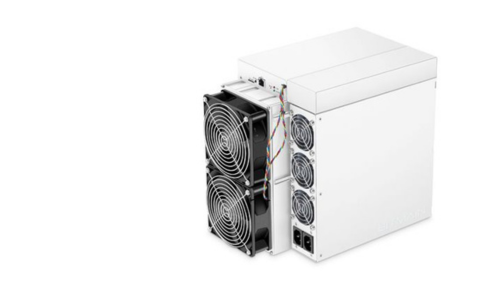
  • Antminer S19 Pro: The Ultimate Powerhouse for Bitcoin Mining in 2025

    Antminer S19 Pro: The Ultimate Powerhouse for Bitcoin Mining in 2025

    Cryptocurrency mining has transformed into a high-stakes industry, where performance, efficiency, and profitability matter more than ever. At the forefront of this technological evolution is the Antminer S19 Pro, one of the most powerful and reliable Bitcoin mining machines available today. Designed and manufactured by Bitmain, a global leader in mining hardware, the antminer s19 pro is trusted by large-scale mining operations and serious miners alike.

    In this comprehensive guide, we’ll explore the features, benefits, and cost-effectiveness of the Antminer S19 Pro, along with what makes it a top choice for crypto enthusiasts around the globe.

    What is the Antminer S19 Pro?

    The Antminer S19 Pro is a high-performance ASIC (Application-Specific Integrated Circuit) miner specifically developed to mine Bitcoin and other SHA-256-based cryptocurrencies. First released in 2020, the S19 Pro has consistently been a go-to option for miners due to its powerful hash rate, optimized energy consumption, and long-term durability.

    Key Specifications

    • Hash Rate: 110 TH/s (terahashes per second)
    • Power Consumption: Around 3250W
    • Efficiency: ~29.5 J/TH (joules per terahash)
    • Cooling System: Dual fan air cooling
    • Supported Algorithm: SHA-256 (ideal for Bitcoin, Bitcoin Cash, etc.)

    These features make the Antminer S19 Pro one of the most efficient mining devices in the market, offering a great balance between computational power and energy usage.

    Why Choose the Antminer S19 Pro?

    1. Exceptional Performance

    With a hash rate of 110 TH/s, the Antminer S19 Pro can process complex cryptographic puzzles faster than many of its competitors. This not only increases your chances of earning mining rewards but also allows you to stay competitive in a fast-evolving market.

    2. Energy Efficiency

    Although it consumes more power than smaller models, the S19 Pro is remarkably efficient when compared to its output. Its energy-to-hash ratio ensures lower operational costs in regions with affordable electricity, helping miners optimize their profit margins.

    3. Built for Longevity

    The Antminer S19 Pro is built with high-grade materials and components, making it suitable for continuous 24/7 mining. Its strong build quality reduces the risk of downtime and frequent repairs.

    4. Plug-and-Play Setup

    This mining rig comes pre-assembled and requires minimal technical knowledge for setup. With a user-friendly interface, miners can monitor and manage performance easily via a connected dashboard.

    Price and Availability

    In 2025, the price of the Antminer S19 Pro varies based on market demand, global chip shortages, and exchange rates. On average, a new unit costs between ₹5,50,000 and ₹7,00,000 in India. Import duties and shipping charges may further influence the final price.

    You can purchase the S19 Pro from:

    • Authorized Bitmain distributors
    • Trusted crypto hardware resellers
    • Online marketplaces (ensure seller verification and warranty)

    Things to Consider Before Buying

    • Electricity Costs: Ensure your local power rates support profitable mining. High energy costs can eat into your earnings.
    • Cooling Requirements: Due to its high power draw, the machine emits a lot of heat and needs proper ventilation or cooling solutions.
    • Noise Levels: Like most industrial mining rigs, the S19 Pro is noisy and not suitable for residential environments.
    • ROI Timeline: Based on network difficulty and Bitcoin prices, the return on investment can vary but generally takes 10–16 months.

    Conclusion

    The Antminer S19 Pro stands out as one of the most dependable and high-yield Bitcoin mining machines available today. Its impressive hash rate, durable construction, and operational efficiency make it an ideal choice for anyone serious about entering or scaling up in the crypto mining industry.

    If you’re planning a long-term investment in Bitcoin mining, the Antminer S19 Pro is a machine that offers the performance, reliability, and profitability needed to succeed in 2025 and beyond.

  • Efficient Ways to Save Money As A Homeowner – A Brief Guide

    Efficient Ways to Save Money As A Homeowner – A Brief Guide

    So, you have gotten a new house, and you are officially a homeowner now. On that note, you should know some of the best ways to save money in the long run and also track your spending habits.

    Read on to learn more. 

    Start With A Budget

    The first thing that you must do is to create a budget. You cannot manage your money and save money in the long run if you don’t have a budget. Essentially, at the core of having a budget is the fact that you will be comparing your income with your expenses. In other words, you will be comparing the incoming money with the outgoing money. 

    You should know how to create a budget first. Ideally, you should spend at least fifty percent of your income on your necessities of life. At least twenty percent of your income should be saved or go towards debt payments. The remaining thirty percent can be spent on the thirty percent. 

    Establish Your Saving Goals

    If you don’t have saving goals, you won’t have a reason to save money. This aspect indicates that you must establish your saving goals first. When it comes to establishing successful goals, you must make sure that the goals are not only realistic but also very specific so you can measure them. 

    For instance, you might want to establish the goal of saving $3000 in a separate retirement account this year. You might want to save $50 every month towards paying for your debt. 

    Opt for Appliance Repair Over Buying

    As a homeowner, you should prioritize appliance repair whenever an appliance breaks down to save money in the long run. Prioritizing appliance repair over purchasing brand-new appliances can help you save money and also affect the overall environmental reduction. Thus, you will be extending the lifespan of your valuable items and making the most of the things that you invested in. 

    On that note, repairing an appliance can prove to be the most sustainable choice for you if you are looking for economical replacement options, especially when the appliance is still relatively new. 

    Refinance Your Mortgage

    As a homeowner, you might want to consider refinancing your mortgage and save several hundred dollars every month. However, you might want to consider several factors, such as the current interest rates. You might want to consult a financial advisor and find out how much you can save on your mortgage.

    Refinancing the mortgage might come with some upfront costs; however, you can pay less each month over time. 

    Be Intentional with Grocery Shopping

    If you want to save more money as a homeowner, you must be intentional with grocery shopping. As a rule of thumb, you should never go grocery shopping on an empty stomach. The underlying reason is that you will be setting yourself up for overspending. Also, make sure to check the pantry for the products and ingredients you already have so that you only buy things that are absolutely necessary. 

    Once you start saving on your groceries, you will set yourself up to save more money in the long run.