Blog

  • Build a Healthier Heart with These Everyday Lifestyle Habits

    Build a Healthier Heart with These Everyday Lifestyle Habits

    Heart health is very important for one’s total well-being, but safeguarding it doesn’t always demand really big changes in your lifestyle. Everyday decisions about food, physical activity, rest, tension, and preventive care all contribute to cardiovascular health when put together.

    By developing better habits and keeping them going consistently, you will be supporting your heart and also reducing your exposure to lots of the lifestyle-related risk factors. Here are a few simple things you could do to make your lifestyle a lot friendlier to your heart.

    Prioritize a Heart-Healthy Diet

    Your diet will really have an effect on your cardiovascular health. Develop meals around nutrient-dense foods, like fruits, vegetables, whole grains, legumes, Jaipur escorts, nuts, seeds, and lean sources of protein. Healthy fats, for example, found in fish, nuts, and specific plant oils, will be part of a perfectly balanced diet too.

    On top of that, think about cutting down on foods with high amounts of salt, added sugars, saturated fats, and too many processed components. Opting for whole, minimally processed foods much more frequently will aid in keeping your blood pressure and your cholesterol level in check.

    Make Regular Physical Activity a Habit

    Your heart is a muscle, and regular physical activity will help keep it working at its best efficiency. Activities like brisk walking, cycling, swimming, dancing, and strength training all help improve your cardiovascular fitness.

    You don’t have to start with extremely hard workouts. If you have been very inactive, start with things that feel reasonable and then very slowly build up the time or effort involved. It’s about being consistent. Finding activities that you really love can make it so much easier to stay actively moving every day, an integral part of your daily routine.

    Maintain a Healthy Weight

    Keeping a healthy weight will help many things related to your heart health, including managing your blood pressure, blood sugar levels, and cholesterol levels. Nevertheless, it is essential that one focuses on sustainable daily routines rather than very low-calorie diets or super-quick weight loss plans for maintaining a healthy weight.

    Combining balanced eating, regular exercise, sufficient rest, and setting yourself achievable targets is how you establish a much healthier attitude towards lasting weight control.

    Manage Stress and Prioritize Sleep

    Chronic stress affects your whole health, and it might also be causing some pretty unhealthy habits like poor eating, being inactive, or getting too little sleep. For Chennai escorts, finding ways to manage stress that are genuinely helpful can make a big difference to your well-being.

    Try incorporating activities such as deep breathing, meditation, walking, hobbies, or spending quality time with family and friends. And don’t forget about sleep. Adhering to a regular sleep schedule and setting up a calming pre-sleep routine will all help you get that essential, restorative sleep.

    Avoid Smoking and Limit Alcohol

    Avoiding tobacco is amongst the most important choices that you may ever have to make for your heart. Smoking will harm your blood vessels, and so increase your cardiovascular risk. If you smoke, think about asking a professional for their help so that you can give up smoking, and avoid being exposed to secondhand smoke whenever you can.

    When it comes to alcohol, a little bit is key. Drinking less will support your general health, especially if you drink far too much. If you don’t drink at all, then there is no need to begin doing so for heart health reasons.

    Keep Up With Regular Health Checks

    Heart health isn’t all about your lifestyle alone. It’s really about being aware too. Regular health checks will let you monitor key things like blood pressure, cholesterol, blood sugar, and your weight.

    Have a chat with a healthcare professional about your personal risk factors and which screenings would be right for you. Finding out about any potential issues early on, including for Ahmedabad call girls with specific health concerns, will really help guide timely medical advice and make healthier choices yourself.

    Final Thoughts

    Better heart health begins with those everyday decisions. Consuming nutritious foods, maintaining physical activity, controlling stress, obtaining quality sleep, avoiding tobacco use, and staying on top of health checks are all going to contribute to a much healthier way of life. You don’t need to change everything right away. Start by adopting one attainable habit today, establish a consistent pattern, and gradually develop a routine – one that will be looking after your heart for years down the line.

  • How Distinguished Physicians and Forensic Specialists Strengthen Medical Cases

    How Distinguished Physicians and Forensic Specialists Strengthen Medical Cases

    Medical-related legal disputes can be surprisingly complicated. A patient’s records may tell only part of the story, while treatment decisions, diagnostic results, injury patterns, and professional standards add several more layers. For attorneys, understanding all of that medical information can be a challenge, especially when a case turns on a question that requires years of clinical experience.

    This is where qualified medical professionals can make a meaningful difference. The right specialist can examine the evidence, identify important details, and explain complicated medical issues in language that makes sense in a legal setting. It’s not about making a case sound dramatic. It’s about understanding what the evidence actually says.

    Why Medical Expertise Matters in Litigation

    Legal professionals are trained to analyze laws, evidence, procedure, and arguments. They aren’t expected to be experts in every medical specialty.

    A medical dispute may involve questions about diagnosis, treatment, causation, prognosis, surgical technique, medication, or the expected progression of an illness. Each of these subjects can require a different type of professional knowledge.

    For example, a case involving a delayed diagnosis may require a physician to examine symptoms, test results, patient history, and the information available to the treating doctor at the time. The question isn’t necessarily whether the diagnosis was eventually correct. It may be whether the earlier decision was reasonable based on what was known then.

    That distinction can be important.

    The Role of Expert Testimony

    Expert testimony can help bridge the gap between complicated medical evidence and the people responsible for evaluating a legal dispute.

    An expert may review medical records, diagnostic images, laboratory results, treatment notes, research papers, and other evidence before forming an opinion. Depending on the circumstances, they may prepare a written report, provide a deposition, or testify at trial.

    The strongest testimony usually comes from careful analysis rather than dramatic language.

    A credible expert should explain how they reached a conclusion and identify the evidence supporting it. If there are limitations or uncertainties, those should be acknowledged too. Medicine isn’t always black and white, and pretending it is can create problems under questioning.

    Why Distinguished Physicians Can Offer Valuable Insight

    Experience matters, particularly when the medical issue is highly specialized.

    Distinguished physicians may bring years of clinical practice, research, teaching, and professional experience to a case. Their familiarity with real-world patient care can help explain why a particular decision was made and whether it appears consistent with accepted medical practice.

    Consider a dispute involving a complicated surgical procedure. A physician who regularly performs that procedure may be better positioned to explain the risks, typical complications, alternative approaches, and expected outcomes than someone with only general medical knowledge.

    Still, reputation alone isn’t enough.

    The physician’s specific specialty and experience should match the actual issue being considered. A highly respected cardiologist may not be the right expert for a complex neurological dispute. Relevance matters.

    Reviewing Medical Records With a Critical Eye

    Medical records can be enormous. A single case might involve years of appointments, prescriptions, test results, imaging studies, emergency visits, and specialist consultations.

    Simply reading the records isn’t always enough.

    An experienced medical expert can look for patterns and connections that may not be obvious to someone without clinical training. They may compare symptoms with diagnostic results, examine the sequence of treatment decisions, or identify gaps that deserve further attention.

    Timeline analysis can be particularly useful.

    Knowing what information was available at each stage can help distinguish between what a healthcare professional reasonably could have known and what became apparent only later.

    That’s a subtle difference, but it can have a major impact on how a medical dispute is understood.

    When Forensic Specialists Become Important

    Some cases require expertise that goes beyond conventional clinical analysis.

    Forensic specialists can be valuable when a dispute involves injury mechanisms, cause of death, trauma patterns, toxicology, physical evidence, or questions about how an incident occurred.

    For example, after a serious accident, a forensic professional may examine injury patterns alongside photographs, medical records, scene evidence, and other available information. Their analysis can help determine whether the claimed mechanism of injury is consistent with the physical evidence.

    Forensic work often requires careful attention to detail because the evidence may be incomplete. A good specialist understands the difference between a conclusion supported by evidence and a possibility that cannot be confirmed.

    Independence Is Essential

    Medical experts may be retained by one side of a legal dispute, but their professional opinions should remain independent.

    That means an expert shouldn’t simply adopt the position of the attorney who hired them. Their conclusions should be based on medical knowledge, evidence, accepted methodology, and professional judgment.

    Objectivity becomes particularly important during cross-examination.

    Opposing counsel may challenge an expert’s qualifications, assumptions, research, methodology, or interpretation of the records. Experts who have considered these issues carefully are generally better prepared to explain their reasoning without becoming defensive.

    A willingness to say “the evidence doesn’t establish that” can sometimes strengthen credibility rather than weaken it.

    Communication Can Make or Break a Good Opinion

    Medical professionals often use technical language every day. Courts are different.

    Judges and jurors may have no medical background, and complicated terminology can quickly become confusing. A highly qualified physician who can’t explain an opinion clearly may struggle to make that opinion useful.

    Strong experts know how to communicate.

    They can explain anatomy with a simple analogy, describe a treatment timeline step by step, or clarify a complicated diagnosis without stripping away important details.

    Good communication isn’t about making medical information childish. It’s about making it accessible.

    Preparing for Deposition and Trial

    Preparation is another important part of expert work.

    Before testimony, an expert may review their report, medical literature, records, imaging, opposing opinions, and supporting evidence. They may also revisit assumptions and calculations to make sure their conclusions remain accurate.

    Attorneys often conduct preparation sessions to explore difficult questions.

    But experts shouldn’t memorize a script. Real questioning rarely follows a script, and overly rehearsed answers can sound unnatural.

    Understanding the evidence deeply is far more valuable. If an expert knows why they reached a particular conclusion, they can respond intelligently even when a question takes an unexpected turn.

    Selecting the Right Medical Expert

    Choosing an expert should involve more than checking credentials.

    Legal teams should consider the professional’s specialty, clinical experience, research background, publications, certifications, prior testimony, and familiarity with similar medical issues.

    It is also worth considering communication style.

    Can the expert explain difficult concepts clearly? Are they comfortable acknowledging uncertainty? Can they remain professional when challenged?

    These qualities can matter just as much as impressive professional titles.

    The Value of Evidence-Based Opinions

    Medical litigation can become a battle of competing interpretations. One professional may see a treatment decision as reasonable, while another may disagree.

    The strongest opinions are supported by evidence.

    That may include medical records, clinical guidelines, research literature, diagnostic findings, professional standards, and firsthand experience. When an expert clearly connects the evidence to the conclusion, attorneys and decision-makers have a stronger foundation for evaluating the opinion.

    Bringing Medical Knowledge Into the Legal Process

    Complex medical cases require more than legal arguments. They require people who understand the science, the clinical realities, and sometimes the forensic details behind the evidence.

    The right expert can bring those pieces together.

    Whether the case involves medical negligence, personal injury, wrongful death, professional standards, or another healthcare-related dispute, specialized knowledge can provide clarity where ordinary evidence falls short.

    Ultimately, the best medical experts aren’t the ones who make the biggest claims. They’re the ones who carefully examine the facts, explain their reasoning, recognize uncertainty, and communicate what the evidence truly supports.

    In a courtroom filled with complicated information, that kind of calm, informed clarity can be incredibly valuable.

  • Choosing the Right Heating System for a Comfortable Home

    Choosing the Right Heating System for a Comfortable Home

    A reliable heating system is one of those household necessities you don’t really think about until it stops working. On a cold morning, though, the difference between a warm home and a freezing one becomes pretty obvious, pretty quickly.

    Heating equipment works hard throughout the colder months. Dust builds up, filters become dirty, moving parts wear down, and older equipment gradually loses efficiency. With the right care, however, many heating systems can provide dependable comfort for years.

    Whether you’re maintaining an existing system or thinking about replacing it, understanding the basics can help you make better decisions without getting lost in technical jargon.

    Understanding Different Heating Options

    Not every home needs the same type of heating equipment. The right choice depends on the property’s size, insulation, climate, existing ductwork, budget, and personal preferences.

    Traditional furnaces remain a popular choice because they can provide strong, consistent heat throughout a home. Depending on the model, they may run on natural gas, electricity, or another fuel source.

    Other homes may benefit from boilers, heat pumps, or ductless systems. There isn’t one option that’s automatically best for everyone. What matters is finding equipment that matches the actual needs of the property.

    Why Proper Sizing Matters

    Buying the biggest heating system available might sound like a safe bet, but bigger isn’t necessarily better.

    An oversized system can heat a space too quickly and shut down before completing a normal cycle. Frequent cycling may affect efficiency and put unnecessary wear on components. On the other hand, a system that’s too small may run continuously while still struggling to keep the home comfortable.

    Proper sizing takes several factors into account, including square footage, insulation, windows, ceiling height, and local weather conditions.

    A professional assessment before installation can help prevent an expensive mistake.

    Older Heating Units May Need Extra Attention

    Older heating units can continue working for many years, but they usually require more attention as they age.

    If a system starts making unusual noises, producing uneven heat, or requiring frequent repairs, those signs shouldn’t be ignored. Rising energy bills can also indicate that equipment is losing efficiency.

    That doesn’t automatically mean replacement is necessary. Sometimes a relatively small repair or maintenance visit can restore normal operation.

    However, when repairs become frequent and operating costs keep increasing, replacing an aging system may make more financial sense than continuing to patch it together.

    Maintenance Is Easier Than an Emergency

    Nobody enjoys scheduling heating maintenance. It’s one of those household chores that feels unnecessary when everything is working perfectly.

    But that’s exactly when maintenance is most useful.

    Replacing filters according to the manufacturer’s recommendations, keeping vents clear, and checking that outdoor equipment isn’t blocked by debris are simple steps homeowners can take themselves.

    Professional maintenance can go further by checking electrical connections, airflow, safety controls, moving components, and other parts of the system.

    A little attention before winter arrives can prevent some very uncomfortable surprises later.

    Why Technician Credentials Matter

    When someone is working on your heating equipment, technical knowledge isn’t the only thing that matters. You’re also trusting that person with your home and property.

    Choosing licensed, insured, background-checked technicians can provide an additional level of confidence. Licensing requirements vary by location and type of work, so homeowners should understand what credentials apply in their area.

    Insurance is important because unexpected accidents can happen even during routine service. Background checks can also give homeowners peace of mind when technicians need to enter private spaces.

    A professional company should have no problem explaining its qualifications and service practices.

    Don’t Ignore Strange Sounds

    Heating systems make some noise while operating, but homeowners generally learn what’s normal for their particular equipment.

    A new banging, grinding, rattling, squealing, or clicking sound is different.

    It could be something simple, such as a loose component or debris. It might also indicate a worn motor or another mechanical problem.

    The safest approach is to pay attention to changes. If an unfamiliar sound continues or is accompanied by weak airflow, unusual smells, or poor heating performance, arranging an inspection is sensible.

    Catching a small issue early can sometimes prevent a much larger repair.

    Energy Efficiency Starts With the Home

    Even the most efficient heating system can’t compensate completely for a poorly insulated home.

    Drafty windows, gaps around doors, inadequate attic insulation, and leaky ductwork can allow heated air to escape. The system then has to work longer to maintain the temperature you’ve selected.

    Simple improvements can help. Sealing noticeable drafts, improving insulation, keeping doors and windows properly sealed, and making sure vents aren’t blocked can reduce unnecessary heat loss.

    Sometimes improving the home itself is a better first step than immediately replacing the heating equipment.

    When Repair Makes More Sense Than Replacement

    Deciding whether to repair or replace a heating system isn’t always straightforward.

    If the equipment is relatively young and has developed one isolated problem, repair may be the obvious choice. If it’s older and has a long history of breakdowns, the calculation changes.

    Consider the cost of the current repair, the system’s age, energy efficiency, maintenance history, and likely remaining lifespan.

    A trustworthy technician should explain both options rather than automatically pushing for replacement. You should understand what you’re paying for and why.

    Safety Should Always Come First

    Heating equipment can involve electricity, combustion, fuel, and high temperatures. That means certain problems shouldn’t be handled as DIY experiments.

    If you notice smoke, a strong fuel smell, unusual burning odors, electrical sparking, or another obvious safety concern, stop using the equipment if it is safe to do so and seek professional assistance.

    Comfort matters, but safety comes first every time.

    Preparing Before Winter Arrives

    The worst time to discover a heating problem is usually when temperatures have already dropped and everyone is relying on the system.

    A preseason inspection gives you an opportunity to address small concerns before the equipment is under constant demand. It also gives you time to plan for replacement if your system is reaching the end of its useful life.

    Being prepared doesn’t mean spending money unnecessarily. It means understanding the condition of your equipment and making decisions before you’re forced into them.

    Warmth Is About More Than a Thermostat

    A comfortable home depends on more than simply turning up the thermostat. Proper equipment selection, good installation, regular maintenance, efficient operation, and timely repairs all play a part.

    You don’t need to become an HVAC expert to protect your heating system. Pay attention to changes, keep up with basic maintenance, and work with qualified professionals when a problem goes beyond simple household care.

    A little preparation can make a big difference when winter arrives. And when you walk into a warm home on a cold morning, you’ll appreciate the work that went into keeping it that way.

  • Water Softeners, Whole-Home Treatment, and Filtration: Finding What Your Home Really Needs

    Water Softeners, Whole-Home Treatment, and Filtration: Finding What Your Home Really Needs

    Water is one of those things we rarely think about until it starts causing trouble. A cloudy glass, white marks around the faucet, dry-feeling skin after a shower, or an appliance that seems to be struggling can all make you wonder what’s actually happening with the water in your home.

    The thing is, not every water problem has the same cause, and there isn’t one magic system that fixes everything. Sometimes the issue is hard water. Sometimes it’s sediment, chlorine, taste, or something else entirely. Choosing the right treatment starts with figuring out what your water needs in the first place.

    Start With the Water, Not the Equipment

    It can be tempting to browse water treatment systems online and immediately start comparing prices and features. But that approach can easily lead to buying equipment that isn’t suited to your home.

    Water testing is a much better starting point. A proper test can provide information about hardness, pH, dissolved minerals, sediment, and other characteristics. Once you know what you’re dealing with, choosing a treatment system becomes far less of a guessing game.

    This matters because two houses in the same neighborhood can sometimes have noticeably different water conditions, especially when private wells are involved. Your neighbor’s solution might be excellent for them and completely unnecessary for you.

    Understanding What Water Softeners Actually Do

    Hard water is usually caused by minerals such as calcium and magnesium. These minerals aren’t necessarily visible when the water comes from the tap, but they can leave plenty of evidence behind.

    You might see chalky deposits on shower doors, faucets, and dishes. Soap may not lather as easily, and water heaters can develop mineral scale over time.

    That’s where water softeners come in. Traditional softeners work by reducing the calcium and magnesium responsible for water hardness. For many households, this can mean less scale, easier cleaning, and fewer mineral deposits around plumbing fixtures.

    There’s also a practical benefit people sometimes overlook: softer water can make routine cleaning feel less frustrating. When you aren’t constantly wiping away white spots, the bathroom suddenly seems a little easier to keep tidy.

    Why Whole-Home Treatment Can Be Worth Considering

    Many people think about water quality only in terms of drinking. That’s understandable, but drinking is just one small part of household water use.

    Water flows through showers, washing machines, dishwashers, water heaters, bathroom sinks, and other fixtures. If the water has a particular problem, treating it only at one faucet may not address what is happening throughout the property.

    A properly designed whole home water treatment system treats water as it enters the house, depending on the specific technology being used. This can provide more consistent water quality at multiple points throughout the home.

    For families dealing with hard water, sediment, chlorine, or other common concerns, whole-home treatment can be a convenient approach. Instead of installing separate solutions at several taps, one appropriately sized system can handle much of the work.

    Of course, the system still needs to be matched to the home’s water conditions and daily demand.

    Filtration and Purification Aren’t the Same Thing

    The words “filtration” and “purification” are often used interchangeably, but they can refer to different processes.

    Filtration generally involves physically or chemically reducing unwanted particles and substances from water. Sediment filters, for example, can capture particles such as sand or rust. Carbon filters are often used to improve taste and reduce chlorine.

    Purification can involve more advanced technologies depending on the specific water concern. Reverse osmosis and ultraviolet treatment are examples of technologies used in certain applications.

    Good filtration & purification begins with understanding what needs to be removed. There’s little value in choosing an advanced system simply because it sounds impressive if your actual water problem could be solved with something much simpler.

    In fact, simpler can sometimes be better. Fewer components may mean lower maintenance costs and an easier system to live with.

    Don’t Forget About Drinking Water

    Even when whole-home water treatment is installed, some homeowners prefer additional treatment at the kitchen sink. Drinking water has different priorities than water used for laundry or bathing.

    Taste is a big one. Chlorine, minerals, or other characteristics can affect how water tastes and smells. A dedicated drinking-water filter can make tap water more appealing, which may encourage people to drink more of it instead of reaching for bottled beverages.

    Depending on water quality and personal preferences, homeowners may consider carbon filtration, reverse osmosis, or other point-of-use systems.

    Again, testing helps. You don’t want to remove substances that aren’t actually causing a problem, especially if doing so adds unnecessary expense or maintenance.

    What About Appliances?

    Water treatment can also be an investment in the equipment already inside your home.

    Hard-water scale can accumulate inside water heaters, dishwashers, washing machines, coffee makers, and other appliances that regularly use water. Over time, mineral buildup may affect performance and efficiency.

    Reducing hardness can help limit that buildup. It won’t make an appliance last forever—nothing does—but minimizing one source of wear can certainly be useful.

    It’s easy to think about water treatment as something that improves the water you drink. In reality, it can also support the plumbing and equipment that depend on that water every day.

    Maintenance Is Part of the Deal

    No water treatment system is completely maintenance-free. Filters eventually need replacement. Softener components need attention. Reverse osmosis membranes have a limited service life, and other equipment may require periodic inspection.

    Ignoring maintenance can reduce system performance and potentially create more expensive problems later.

    A simple maintenance calendar can help. Keep track of filter changes, salt levels if applicable, and professional servicing. If you notice an unexpected change in taste, pressure, odor, or water appearance, investigate rather than assuming the system will sort itself out.

    It usually won’t.

    Choose the Solution That Fits Your Home

    The best water treatment system isn’t necessarily the largest, newest, or most expensive option available. It’s the one that addresses the actual problems found in your water.

    Start with testing. Consider how much water your household uses and where quality issues are most noticeable. Then compare the available treatment options, including their installation requirements, maintenance needs, replacement costs, and expected lifespan.

    A trustworthy water treatment professional should be able to explain the reasoning behind a recommendation in plain English.

    Ultimately, better water is about more than having a sophisticated piece of equipment in the basement or utility room. It’s about making everyday life easier—cleaner fixtures, better-tasting water, fewer mineral deposits, and greater confidence every time you turn on the tap. Sometimes the best improvements are the ones you barely notice because they simply make things work better.

  • Cleaner Water Starts With Knowing What’s Really in It

    Cleaner Water Starts With Knowing What’s Really in It

    Water is one of those things most of us rarely think about until something seems wrong. Maybe the tap water smells a little strange. Perhaps there’s a reddish mark around the sink, white scale on the showerhead, or an odd taste in your morning glass. These signs can be easy to ignore, but they often point to specific water-quality problems that deserve attention.

    The good news is that improving household water doesn’t always mean making complicated changes. Once you understand what’s actually affecting your water, choosing the right filtration or treatment approach becomes much easier. Different contaminants create different problems, and there’s no single system that works perfectly for every home.

    Why Water Quality Problems Can Be Hard to Notice

    Not every water issue is visible. Some contaminants can be present even when water looks completely clear and smells normal. That’s why relying only on appearance isn’t always enough.

    For households using municipal water, treatment at the local facility removes or reduces many common contaminants before water reaches the property. Still, water can pick up additional substances as it travels through pipes, plumbing fixtures, or storage tanks. Homes that depend on private wells can face a different set of concerns, including naturally occurring minerals and microorganisms.

    Testing your water is often the sensible first step. It gives you actual information instead of forcing you to guess what’s happening.

    When Microorganisms Become a Concern

    One of the biggest reasons water testing matters is the possibility of microbial contamination. Private wells, in particular, can be vulnerable when there are problems with well construction, flooding, nearby agricultural activity, or damaged components.

    Certain types of bacteria & viruses can make water unsafe to drink, even if there’s no obvious change in color or taste. Some microorganisms can cause gastrointestinal illness, while others may create more serious concerns for vulnerable people.

    Treatment depends on what the testing shows. Disinfection methods such as ultraviolet treatment can be useful for controlling microorganisms, while other systems may be appropriate depending on the water source and contamination. It’s important not to assume that a basic carbon filter or standard softener will handle every biological concern. They’re designed for different jobs.

    If you rely on well water, periodic testing is especially important. A test performed after flooding, repairs, or a noticeable change in water quality can also provide valuable reassurance.

    The Everyday Trouble Caused by Hard Water

    You’ve probably seen the signs of hard water without realizing what they were called. White spots on glasses. Soap that refuses to lather properly. A chalky film around faucets. Maybe your shower door always seems to need cleaning, no matter how often you wipe it down.

    Hard water contains elevated levels of minerals, primarily calcium and magnesium. These minerals aren’t generally considered dangerous at typical concentrations, but they can be a real nuisance around the house.

    Over time, mineral deposits can accumulate inside plumbing and water-using appliances. Water heaters, dishwashers, washing machines, faucets, and shower fixtures may all be affected. You might also notice that soap and shampoo feel different or that laundry comes out less soft than expected.

    A water softener can help in many homes by reducing the hardness minerals responsible for scale formation. But again, testing matters. Not every home needs a softener, and selecting the right capacity depends on factors such as water hardness, household size, and daily water use.

    Understanding Iron and Rust Stains

    Few things make a bathroom look neglected faster than orange or brown stains around a clean sink. If you’ve scrubbed one of those marks repeatedly, you know how frustrating they can be.

    Often, iron & rust staining comes from dissolved iron in the water. This is particularly common with some private well supplies. Water may appear clear when first drawn but develop a yellow, orange, or reddish tint after exposure to air as the iron oxidizes.

    Iron can also create a metallic taste or unpleasant appearance in drinking water. In higher concentrations, it may stain laundry, fixtures, bathtubs, and toilet bowls.

    Treatment depends on the type and concentration of iron involved. Some situations respond well to oxidation and filtration, while others may require specialized iron-removal equipment. A professional water analysis can determine whether iron is actually the culprit and identify other minerals that might be contributing to the problem.

    Why One Filter Usually Isn’t Enough

    It’s tempting to buy a filter because the packaging promises cleaner, better-tasting water. Sometimes that’s perfectly reasonable. But water treatment is more complicated than simply installing the most popular filter available.

    Activated carbon, for example, can be useful for reducing chlorine and improving taste and odor. It isn’t designed to solve every mineral, microbial, or heavy-metal problem.

    Similarly, a water softener targets hardness rather than serving as a universal contaminant-removal device. Reverse osmosis systems can reduce a wide range of dissolved substances at the point of use, but they aren’t necessarily the right answer for every whole-house concern.

    The best approach is to match treatment technology to the actual problem. Think of it like choosing a tool from a toolbox. You wouldn’t use a screwdriver to hammer in a nail simply because it happens to be nearby.

    Whole-House Treatment vs. Drinking Water Filtration

    Another decision homeowners face is where treatment should happen.

    Whole-house systems treat water as it enters the property, meaning treated water can reach showers, washing machines, kitchen faucets, and other fixtures. This can make sense when the concern affects the entire household water supply.

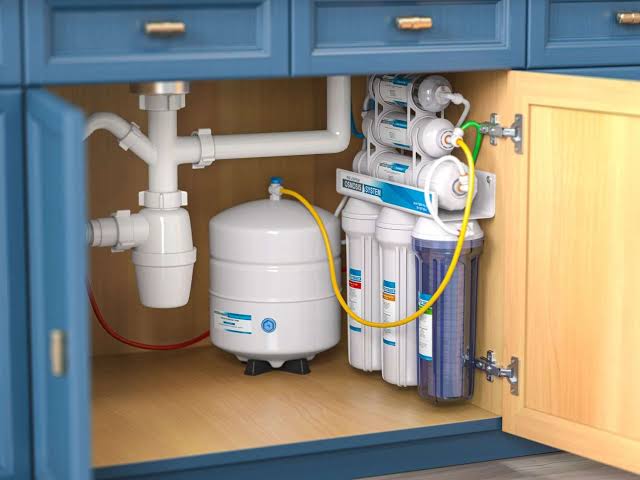
    Point-of-use systems, on the other hand, focus on a specific faucet or appliance. A drinking-water filtration or reverse osmosis system installed under the kitchen sink is a common example.

    Neither approach is automatically better. It depends on what you’re trying to accomplish. If the main concern is drinking water, point-of-use treatment may be sufficient. If scale, sediment, iron, or other issues are affecting the whole plumbing system, broader treatment may be more practical.

    Start With Testing, Not Guesswork

    There’s something reassuring about having numbers in front of you. Instead of wondering why the water smells odd or why your fixtures keep developing stains, testing can help identify the cause.

    A useful water analysis may examine hardness, iron, pH, sediment, chlorine, microbial indicators, and other contaminants depending on the water source and local concerns. From there, a treatment professional can recommend equipment based on actual conditions rather than making assumptions.

    That matters because installing the wrong system can waste money and still leave the original problem untouched.

    A Better Water Routine for Your Home

    Good water quality isn’t just about having water that looks clean in a glass. It’s about understanding what’s coming through your pipes and making sensible decisions based on that information.

    Pay attention to changes in taste, odor, color, stains, or scale. If you use well water, keep testing on a regular schedule and after events that could affect the water source. And when a problem appears, resist the urge to treat everything with one generic filter.

    Clean water is one of those everyday comforts we tend to take for granted. A little testing, the right treatment technology, and some routine maintenance can go a surprisingly long way. In the end, the smartest water solution isn’t necessarily the biggest or most expensive one. It’s the one that fits your home, your water, and the problems you actually need to solve.

  • Why Better Water Management Matters for Commercial Spaces

    Why Better Water Management Matters for Commercial Spaces

    Water is one of those things most businesses barely notice until something goes wrong. A strange taste in the drinking water, cloudy glasses, stubborn scale around fixtures, or a sudden plumbing issue can quickly turn into a bigger operational headache. For commercial properties, water quality isn’t just about convenience. It can affect equipment, hygiene, customer experiences, energy use, and even day-to-day productivity.

    That’s why businesses need to think beyond simply having water available. The goal is to manage water properly from the point it enters the building to the places where employees, customers, and equipment use it. A thoughtful water management strategy can make a noticeable difference, especially in restaurants, offices, hotels, healthcare facilities, schools, and other busy commercial environments.

    Why Commercial Water Quality Deserves More Attention

    Residential water systems generally serve a relatively small number of people. Commercial buildings are different. Water may pass through dozens of fixtures every day and supply everything from drinking stations to dishwashers, boilers, coffee machines, ice makers, and cleaning equipment.

    Even when municipal water meets regulatory standards, its quality can still create practical problems inside a commercial property. Minerals such as calcium and magnesium may contribute to hard-water scale. Sediment can affect fixtures and equipment, while chlorine and other compounds can influence taste and odor.

    These issues aren’t always dramatic at first. A faucet may simply look a little dull. A coffee machine might require cleaning more often. Then, months later, equipment performance starts slipping. Small problems have a funny way of becoming expensive ones.

    Filtration and Sanitization Are Part of a Bigger Strategy

    Good water management usually involves more than installing one filter and forgetting about it. Different applications may require different treatment methods, depending on the source water, building size, and intended use.

    A properly designed commercial filtration & sanitization approach can help businesses address specific water-quality concerns while maintaining consistent performance. Filtration may target sediment, chlorine, certain chemicals, or other unwanted substances, while sanitization helps control microbial risks where appropriate.

    The key is understanding what is actually in the water before choosing equipment. A system that works beautifully for one property might be unnecessary—or insufficient—for another.

    That’s why water testing matters. Testing provides useful information about hardness, pH, sediment, mineral content, and other characteristics. From there, a water professional can recommend treatment based on real conditions rather than guesswork.

    Hard Water Can Quietly Damage Equipment

    Hard water is especially frustrating in commercial environments because it tends to leave evidence everywhere. You might see white deposits around faucets, showerheads, sinks, and dishwashing equipment. But the visible buildup is only part of the story.

    Inside pipes and appliances, mineral scale can gradually accumulate on heating elements and internal components. Water heaters, boilers, dishwashers, coffee equipment, and other systems that regularly heat water can be particularly vulnerable.

    This is where water conditioning can play an important role. Depending on the water chemistry and application, conditioning can help reduce the effects associated with hardness and improve how water behaves throughout a building.

    It isn’t about making every drop of water identical. It’s about matching treatment to the property’s actual needs. In a busy restaurant, for example, protecting a high-use dishwasher may be a much bigger priority than treating every fixture in exactly the same way.

    Drinking Water Should Be Convenient, Too

    People tend to drink more water when clean drinking water is easy to access. That sounds obvious, but it matters in offices, schools, gyms, healthcare facilities, and workplaces where people spend hours at a time.

    Traditional bottled water can create its own set of challenges. Businesses have to deal with storage, deliveries, empty containers, and ongoing purchasing. A bottleless drinking-water system can provide filtered water directly where it’s needed, without the constant handling of individual bottles.

    Modern commercial kitchens & bottleless coolers can also be designed around the way a facility actually operates. In a workplace, that might mean convenient hydration stations. In a hospitality environment, it could involve dedicated drinking-water solutions for staff and guests.

    There’s also a practical side to this. Less dependence on disposable bottles can reduce storage requirements and unnecessary waste. It won’t solve every sustainability challenge, but it’s one small operational change that can add up over time.

    Commercial Kitchens Have Special Water Needs

    Few commercial spaces are as demanding on water systems as professional kitchens. Water is used constantly—for cooking, washing produce, cleaning dishes, making ice, brewing beverages, and sanitizing surfaces.

    Water quality can influence both the finished product and the equipment used to prepare it. Hard water may leave deposits inside dishwashers and steam equipment. Chlorine or other compounds can affect the taste of beverages and food prepared with water.

    A commercial kitchen also can’t afford frequent interruptions. If a treatment system is difficult to maintain or poorly sized, it can become another problem for staff rather than a solution.

    The right system should fit the kitchen’s flow, water demand, equipment, and maintenance capabilities. In other words, treatment needs to work with the business—not against it.

    Maintenance Is Where Good Systems Prove Their Value

    Even the best water treatment equipment needs attention. Filters eventually become saturated, components wear out, and treatment performance can change as water conditions or usage patterns change.

    Regular maintenance helps keep a system operating as intended. Depending on the equipment, this may include replacing filter cartridges, checking pressure, inspecting connections, cleaning components, testing water quality, and reviewing system performance.

    Businesses should also keep simple maintenance records. It may seem like paperwork nobody has time for, but knowing when filters were changed or equipment was serviced makes troubleshooting much easier later.

    And don’t ignore unusual changes. A sudden taste difference, reduced flow, strange odor, or visible scale can be an early warning sign that something needs attention.

    Choosing a System Starts With the Building

    There isn’t a universal commercial water treatment system that works perfectly for every property. A small office and a large hotel simply don’t have the same water demands.

    Before investing in equipment, consider:

    • The building’s daily water consumption
    • The source and quality of incoming water
    • Existing plumbing and equipment
    • Hardness and mineral levels
    • Drinking-water requirements
    • Kitchen or food-service demands
    • Available installation space
    • Maintenance requirements
    • Long-term operating costs

    It’s also worth thinking about future needs. If a restaurant plans to expand its kitchen or an office expects more employees, today’s water demand may not be tomorrow’s demand.

    A Smarter Approach to Commercial Water

    Water treatment isn’t necessarily about installing the biggest or most sophisticated system available. In fact, bigger isn’t always better. The smarter approach is to identify the actual problem, understand the building’s needs, and choose technology that solves those problems efficiently.

    For business owners and facility managers, that can mean fewer equipment issues, better-tasting drinking water, easier maintenance, and a more dependable water supply. Just as importantly, it creates a more comfortable environment for the people who use the building every day.

    Water may be easy to overlook because it’s always there. But when it’s managed thoughtfully, the benefits can be surprisingly visible—in cleaner equipment, smoother operations, and fewer unpleasant surprises.

    And really, that’s the point. Good commercial water management shouldn’t become another thing a business has to worry about. It should quietly do its job in the background, helping the rest of the operation run a little better.

  • Activated Carbon Filters: A Practical Guide to Cleaner, Better-Tasting Water

    Activated Carbon Filters: A Practical Guide to Cleaner, Better-Tasting Water

    Water can look perfectly clear and still contain substances that affect its smell, flavor, or overall quality. That’s one reason home water filtration has become so common. People aren’t always trying to transform questionable water into something drinkable; often, they simply want to reduce an unpleasant taste or make their everyday tap water more enjoyable.

    Among the many filtration technologies available, carbon-based systems are perhaps some of the easiest to understand. They have been used in water treatment for years and can be particularly useful for certain chemicals and compounds. Still, knowing what a filter can and cannot do is important before buying one.

    What Are Activated Carbon Filters?

    Activated carbon filters use specially processed carbon with an extremely porous structure. During manufacturing, the carbon is treated to create countless microscopic pores, giving it a surprisingly large surface area.

    When water passes through the material, certain contaminants are attracted to the carbon surface and held there. This process is called adsorption. It’s a little like having millions of tiny parking spaces where unwanted molecules can settle.

    The effectiveness depends on several factors, including the type of carbon, the amount used, water flow rate, and the particular contaminant involved. So, while carbon filtration is useful, it isn’t a one-size-fits-all treatment.

    Why Chlorine Is Commonly Targeted

    Municipal water systems often disinfect water to control harmful microorganisms. Chlorine is widely used for this purpose because it is effective and relatively practical for large-scale water treatment.

    The downside, at least from a taste perspective, is that some people can detect chlorine in their drinking water. It may create a noticeable swimming-pool-like smell or flavor, especially when water has been sitting in a glass or jug.

    Carbon filtration can reduce free chlorine and help improve taste and odor. For households where chlorine is the main complaint, this can be one of the most noticeable benefits of installing a carbon filter.

    It’s worth remembering, though, that chlorine itself isn’t automatically a sign of unsafe water. Disinfection is an important part of public water treatment. The concern is usually about taste, odor, and specific exposure levels rather than the mere presence of chlorine.

    Understanding VOCs in Water

    Another group of substances that carbon can help address is volatile organic compounds, commonly abbreviated as VOCs. These are a broad family of chemicals that can enter water through industrial activity, fuel contamination, solvents, pesticides, and other sources.

    Not all VOCs behave in exactly the same way, and carbon doesn’t remove every chemical equally well. Performance depends on the particular compound and the design of the filtration system.

    For anyone concerned about a known VOC contamination issue, relying on a generic household filter isn’t a good idea. Water testing should come first. Once you know what you’re dealing with, you can select a treatment system that has been specifically tested for the relevant contaminant.

    How Carbon Improves Taste and Odor

    One of the biggest reasons consumers choose carbon filtration is surprisingly simple: the water tastes better.

    Tap water can sometimes have earthy, chemical, or musty notes caused by naturally occurring compounds, treatment chemicals, or interactions with plumbing. These subtle flavors may not indicate a serious health problem, but they can make people less enthusiastic about drinking water.

    A properly maintained carbon filter can reduce some of those taste- and odor-causing compounds. For someone who normally avoids tap water, that small improvement can make a genuine difference.

    And there’s something satisfying about filling a glass from the kitchen tap and not thinking twice about the smell.

    Different Types of Carbon

    Not all activated carbon is identical. Two common forms used in filtration are granular activated carbon and carbon block.

    Granular activated carbon consists of loose carbon particles. It can provide good adsorption performance and is widely used in household systems. Carbon block filters, on the other hand, use compressed carbon formed into a solid block. Their design can offer additional filtration characteristics, depending on the product.

    Some systems combine carbon with other filtration media. That can make sense when the goal is to address several different types of contaminants rather than just taste and odor.

    What Carbon Filters Don’t Remove

    This is where expectations matter.

    Carbon filtration isn’t a universal solution for every water-quality concern. Depending on the system, it may not effectively remove dissolved salts, many minerals, nitrates, or certain microorganisms. Heavy metals may also require specially designed media or additional treatment.

    That’s why buying the first filter labeled “purification” can be misleading. Read the specifications carefully. Look for independent certification where available, especially if you’re trying to reduce a specific contaminant.

    Filter Maintenance Matters

    Even an excellent carbon filter won’t work indefinitely.

    As the carbon captures contaminants, its adsorption capacity gradually decreases. Once the filter reaches its capacity, performance can decline. Some systems also become vulnerable to microbial growth if cartridges are left in service far beyond their recommended replacement period.

    Following the manufacturer’s replacement schedule is therefore more than a minor housekeeping task. It’s part of using the filtration system correctly.

    If water suddenly develops an unusual taste after months of normal use, the filter cartridge may simply be overdue for replacement.

    Choosing a Carbon Filter Wisely

    Start with the water, not the marketing.

    If your main problem is chlorine taste, a basic carbon filter may be enough. If you have concerns about VOCs or another specific contaminant, check whether the filter has been tested or certified for that substance.

    For private wells, unusual odors, visible changes in water quality, or suspected contamination, testing is especially important. A water test can prevent you from spending money on a system that doesn’t solve the actual problem.

    A Simple Approach to Better Water

    Carbon filtration isn’t flashy technology, and perhaps that’s part of its appeal. It relies on a straightforward scientific principle that has proven useful in many water-treatment applications.

    The trick is understanding its role. A carbon filter can be excellent for improving taste and reducing certain chemicals, but it isn’t designed to solve every possible water problem.

    Choose based on your source water, identify the contaminants that actually matter, maintain the cartridge properly, and treat bold claims with a healthy dose of skepticism. Done that way, carbon filtration can be a practical little upgrade that makes everyday water more pleasant—and sometimes, that’s exactly what you need.

  • Why Free Commercial Water Testing Is a Smart First Step for Businesses

    Why Free Commercial Water Testing Is a Smart First Step for Businesses

    Water is one of those things businesses depend on every day without giving it much attention. It runs through kitchens, bathrooms, laundry systems, cooling equipment, boilers, ice machines, and countless other fixtures. When everything works normally, nobody thinks twice about it. But when scale appears, equipment starts struggling, or water tastes different, suddenly the quality of that water becomes important.

    For commercial properties, understanding the water before choosing treatment equipment can save time, money, and plenty of frustration. Testing gives business owners a starting point instead of forcing them to make decisions based on assumptions.

    Why Businesses Should Pay Attention to Water Quality

    Water can contain minerals, sediment, chlorine, iron, and other naturally occurring substances. The exact characteristics depend on the local supply, plumbing infrastructure, and whether the property uses municipal water or a private source.

    water quality can affect much more than drinking water. Hardness, for example, may contribute to mineral deposits inside water heaters, dishwashers, boilers, and pipes. Sediment can collect inside valves and filters, while certain substances may influence taste or odor.

    These problems aren’t always dramatic at first. Often, they’re gradual. A dishwasher needs more cleaning, a showerhead develops buildup, or an appliance doesn’t seem to perform quite as well as it used to.

    What Free Commercial Water Testing Can Tell You

    For businesses considering treatment, free commercial water testing can be a useful opportunity to learn more about their water without immediately committing to expensive equipment.

    Depending on the testing process, results may provide information about hardness, pH, dissolved minerals, chlorine, iron, or other characteristics. The exact tests needed will depend on the property and its water source.

    The important thing is what happens after the test. Numbers are only useful when they help guide a practical decision. A qualified professional can explain what the results mean and whether a treatment system is actually necessary.

    Avoiding the Wrong Treatment System

    One common mistake businesses make is buying equipment before identifying the problem. It seems reasonable — something is wrong with the water, so install a filter. But water treatment isn’t quite that simple.

    A softener is designed primarily to address hardness. A sediment filter serves a different purpose. Carbon filtration can address certain taste and odor concerns, while other technologies are designed for specific water-quality issues.

    Without testing, it’s difficult to know which approach makes sense. A business could spend money on equipment that doesn’t solve the original problem.

    Testing first creates a much clearer path.

    Water Quality and Commercial Equipment

    Commercial equipment can be particularly sensitive to water conditions because it often operates for long hours and handles large amounts of water.

    Restaurants rely on dishwashers, coffee machines, steam equipment, and ice makers. Hotels use water for guest rooms, laundry, kitchens, and heating systems. Manufacturing facilities may have even more specialized requirements.

    Mineral deposits can interfere with heat transfer and water flow. Over time, this may contribute to additional maintenance or reduced performance.

    Water treatment won’t prevent every mechanical problem, of course. But addressing known water-quality concerns can be one sensible part of protecting expensive equipment.

    Why Testing Shouldn’t Be a One-Time Thought

    Water conditions can change. Municipal supplies may experience seasonal differences, private wells can be influenced by environmental conditions, and changes in plumbing or equipment can affect what happens inside a building.

    For that reason, testing can be useful as part of an ongoing maintenance strategy rather than something done only after a problem appears.

    Businesses don’t necessarily need to test constantly. The appropriate schedule depends on the property, water source, equipment, and previous results. What’s more important is having a reasonable plan and keeping records.

    Those records can make future decisions much easier because you can compare current results with older information.

    Choosing Water Treatment Solutions Based on Evidence

    Once the water has been tested, businesses can start looking at water treatment solutions that match their actual needs.

    A property dealing with hard water might consider a commercial softener. A facility experiencing sediment problems may need filtration. A business concerned about drinking-water quality could explore point-of-use treatment.

    The goal isn’t to install the most sophisticated system available. It’s to choose equipment that addresses a genuine issue and fits the property’s water demand.

    That distinction matters. Bigger and more complicated doesn’t automatically mean better.

    Considering Long-Term Costs

    The purchase price of treatment equipment is only part of the financial picture. Businesses should also consider installation, maintenance, replacement filters, treatment materials, energy use, water consumption, and servicing.

    A system that costs less initially might become more expensive if it requires frequent maintenance or isn’t properly sized for the property’s needs.

    Testing can help reduce this risk by giving businesses better information before they invest. In other words, a relatively simple test may help prevent a much more expensive mistake.

    Maintenance Keeps Water Treatment Working

    Once a treatment system is installed, maintenance still matters. Filters eventually need replacing, softening systems require attention, and other components should be checked according to manufacturer recommendations.

    Commercial properties should keep basic service records. Note when filters were changed, when equipment was inspected, and whether water characteristics have changed.

    It’s not exciting work, admittedly. But routine maintenance is usually easier to manage than an unexpected equipment failure during a busy business day.

    A Smarter Way to Manage Commercial Water

    Good water management begins with understanding what you’re dealing with. Testing provides that foundation.

    Instead of guessing whether a business needs a softener, filter, or another type of treatment, owners can start with actual information. From there, they can choose equipment based on water conditions, usage patterns, and long-term needs.

    For a commercial property, that’s a much more sensible approach than buying equipment simply because it worked somewhere else.

    Water may be invisible in the background of daily operations, but its impact is very real. A little testing, thoughtful planning, and regular maintenance can help businesses protect equipment, improve daily operations, and avoid unnecessary expenses. Sometimes the smartest solution really does begin with something as simple as finding out what’s in the water.

  • Discover the Best Seed Mixes to Support Your Training!

    Discover the Best Seed Mixes to Support Your Training!

    Nutrition plays a pivotal role in achieving your training goals, whether you’re preparing for a marathon, clocking cycling miles, or pushing yourself during extended gym sessions. Choosing the right foods can make all the difference in both your performance and recovery. Among the healthiest snack options, seed mixes have gained recognition for their exceptional nutritional value—they’re compact, easy to carry, and can be customized to suit your training needs.

    In this regard, interested readers will explore the nutritional advantages of seed mixes, identify the best seeds for athletes, and guide you in crafting the perfect mix to support your endurance on long training days.

    Why Seed Mixes?

    A simple seed mix can be a powerful source of natural nutrition, providing protein, healthy fats, fibre, and vital vitamins and minerals. Perspectives from Kolkata escorts suggest that these nutritious snacks support fitness goals by improving energy and helping the body recover after exercise.

    The Nutritional Benefits of Seeds:

    Different seeds bring unique benefits to your training routine. Here are some of the best seeds to include in your mix:

    The Classic Powerhouse Mix – Brimming with chia, pumpkin, and sunflower seeds, this nutrient-rich mix is a true nutrition powerhouse for athletes. Chia seeds supply sustained energy through their high fibre content, pumpkin seeds deliver magnesium to support optimal muscle function, and sunflower seeds contribute antioxidant-rich vitamin E to help combat exercise-induced stress. This thoughtfully balanced combination not only enhances overall nutrition but also fuels endurance and speeds up recovery following demanding training sessions.

    The Antioxidant Energy Mix – Combining chia seeds, flaxseeds, and dried goji berries, this mix elevates your nutrition with a potent blend of antioxidants. The chia and flaxseeds provide ample fibre and omega-3 fatty acids to support overall health, while goji berries are packed with vitamin C and a range of antioxidants that help reduce oxidative stress from intense training. This nutrient-dense combination promotes quicker recovery and helps maintain your energy and vitality throughout your training regimen.

    The Endurance Blend – For athletes facing extended endurance sessions, this nutrition-focused blend of chia, hemp, and pumpkin seeds provides sustained support. Chia seeds enhance hydration thanks to their remarkable water-absorbing qualities, hemp seeds supply complete protein essential for muscle health, and pumpkin seeds contribute vital electrolytes like magnesium and potassium to help ward off cramps and fatigue. Together, these seeds offer comprehensive nutrition to help you maintain peak performance during your longest workouts.

    The Recovery Mix

    A simple seed mixture made with flaxseeds, chia seeds, and sesame seeds can boost your daily nutrition naturally. Perspectives from Jammu call girls suggest that flax and chia seeds help maintain digestive function, while sesame seeds provide a crunchy texture along with valuable nutrients.

    he Omega Boost Blend – Mixing flaxseeds, chia seeds, and hemp seeds creates a nutrition-enhancing Omega Boost blend packed with omega-3 fatty acids, essential for combating inflammation and promoting cardiovascular health. Hemp seeds contribute complete protein and beneficial fats, making this nutrient-dense combination perfect for athletes seeking to nourish their joints and sustain energy levels throughout prolonged training sessions.

    Tips for Including Seed Mixes in Your Diet:

    • Add a handful of seed mix to your morning oatmeal, yogurt, or smoothie bowl for an extra boost of crunch and nutrition.
    • Store a small portion of seed mix in your gym bag or at your workspace for an easy, nutritious snack whenever hunger strikes.
    • Sprinkle seed mixes over salads or roasted veggies to enhance both texture and nutritional value.
    • Try mixing in different spices, such as cinnamon or cayenne pepper, to give your seed mix a unique and flavourful twist.

    Optimal Times to Include Seed Mixes in Your Nutrition Plan:

    • Consume a modest serving of seed mix 30 to 60 minutes before your workout to deliver sustained energy. Perspectives from Hyderabad escorts suggest that proper pre-workout nutrition plays an important role in improving endurance and supporting physical activity.
    • During Extended Training – For prolonged endurance activities, nibble on your seed mix to maintain consistent energy levels without feeling heavy.
    • After Exercising – Blend your seed mix into yogurt or a smoothie to boost post-workout protein intake and support muscle recovery.

    Conclusion –

    Seed mixes offer a convenient and adaptable solution to elevate your nutrition and enhance your training performance. Selecting a variety of nutrient-rich seeds and blending them thoughtfully ensures your body receives the essential nutrition it needs for peak performance—whether you’re preparing for, powering through, or recovering from a workout. The next time you gear up for exercise, reach for your favourite seed mix and experience the natural nutritional boost that supports your health and fitness goals.                

  • Why Choosing an Expert Service Provider Can Make All the Difference

    Why Choosing an Expert Service Provider Can Make All the Difference

    The Value of Experience in Solving Important Problems

    When people need help with an important decision, repair, project, or professional service, they usually look for one thing first — someone they can trust. Experience matters because knowledge gained through years of real situations cannot be replaced by quick research or basic understanding.

    A skilled professional doesn’t just provide a solution; they understand the reasons behind a problem and know how to handle unexpected challenges. Whether it’s a complicated situation at home, in business, or in personal matters, having the right guidance can save time, money, and unnecessary stress.

    In a world where many companies make big promises, finding a team that combines practical experience with genuine care has become more important than ever.

    What Sets True Professionals Apart

    Not every service provider delivers the same level of commitment. Some focus only on completing a task quickly, while others take the time to understand the customer’s actual needs.

    A reliable professional listens carefully, evaluates the situation, and creates a solution that fits the specific requirements. This personalized approach is often what separates average service from exceptional service.

    Working with an expert & professional team means having confidence that the job is being handled by people who understand their field. They bring technical knowledge, problem-solving ability, and attention to detail that can make a noticeable difference in the final outcome.

    Knowledge, Skill, and Attention to Detail

    Professional expertise is built over time. It comes from handling different situations, learning from challenges, and continuously improving skills.

    For customers, this experience provides reassurance. They don’t have to worry about whether every detail is being considered because trained professionals know what questions to ask and what potential problems to look for.

    A dependable service provider also understands that every client is different. A solution that works perfectly for one person may not be suitable for another. Taking time to customize the approach often leads to better results and a smoother overall experience.

    Why Quality Should Always Come First

    Many people make decisions based only on price, but the cheapest option is not always the most valuable. Poor service can create additional costs, delays, and frustration in the long run.

    Quality comes from a combination of expertise, reliable processes, and a commitment to customer satisfaction. When a company focuses on doing things correctly from the beginning, customers receive better results and greater peace of mind.

    Choosing a provider that offers the best quality service means investing in reliability rather than simply purchasing a quick solution. Good service should feel like a partnership where the provider genuinely cares about achieving the right outcome.

    Clear Communication Creates Better Experiences

    One of the biggest signs of a trustworthy service provider is communication. Customers appreciate professionals who explain the process clearly, answer questions honestly, and keep them informed throughout the journey.

    Confusing explanations or unclear pricing can make even a simple project feel stressful. On the other hand, open communication builds confidence and helps customers feel involved in the decision-making process.

    A professional company understands that trust is earned through actions, not just words. Showing up on time, respecting commitments, and delivering what was promised are small things that create lasting relationships.

    Making Services More Accessible Through Guidance

    Many people delay seeking professional help because they are unsure about costs or whether their situation requires expert assistance. This hesitation can sometimes allow small issues to become bigger problems.

    Offering free consultations can make it easier for customers to take the first step. It gives them an opportunity to discuss their needs, understand possible options, and make informed choices without feeling pressured.

    A consultation is not just about selling a service. It is about creating a conversation where professionals can provide useful information and customers can decide what approach works best for them.

    Building Long-Term Trust With Customers

    A successful service provider focuses on more than one-time transactions. The strongest businesses build relationships by consistently delivering value and maintaining high standards.

    Customers remember companies that make their lives easier. They remember professionals who were patient, honest, and willing to go the extra mile when needed.

    This long-term mindset benefits both sides. Customers receive dependable support, while businesses earn loyalty and positive recommendations through excellent service.

    Choosing the Right Professional Partner

    Before hiring any service provider, it is worth doing some research. Look at experience, customer feedback, communication style, and the company’s approach to solving problems.

    A trustworthy provider should be transparent about their process and confident in their ability to deliver results. They should focus on understanding your goals instead of offering a one-size-fits-all answer.

    The right choice is not always the company with the biggest advertisement or the lowest price. It is the one that combines skill, honesty, and dedication.

    Final Thoughts

    Professional services play an important role in helping people overcome challenges and achieve better results. Whether you need advice, support, repairs, or specialized expertise, choosing the right team can completely change your experience.

    A company that values knowledge, quality, and customer relationships creates more than just a successful project — it creates trust. By working with experienced professionals who truly understand your needs, you can move forward with confidence and peace of mind.