Better Water at Home Starts With Knowing What You Actually Need
Water is one of those household essentials that rarely gets much attention until something changes. Perhaps the kettle develops a chalky coating, the shower leaves white marks on the glass, or the kitchen tap produces water with an unfamiliar taste. You might find yourself cleaning more often, replacing fixtures sooner than expected, or wondering whether […]
Water is one of those household essentials that rarely gets much attention until something changes. Perhaps the kettle develops a chalky coating, the shower leaves white marks on the glass, or the kitchen tap produces water with an unfamiliar taste. You might find yourself cleaning more often, replacing fixtures sooner than expected, or wondering whether the water is suitable for drinking.
It’s tempting to start shopping for filters straight away. There are plenty of options, and many promise to make water cleaner, fresher, or easier to use. But choosing equipment before understanding the problem can lead to wasted money. A more practical approach is to look at the water itself, identify what needs attention, and then decide which improvements make sense for your home.
Start With the Signs Around Your Home
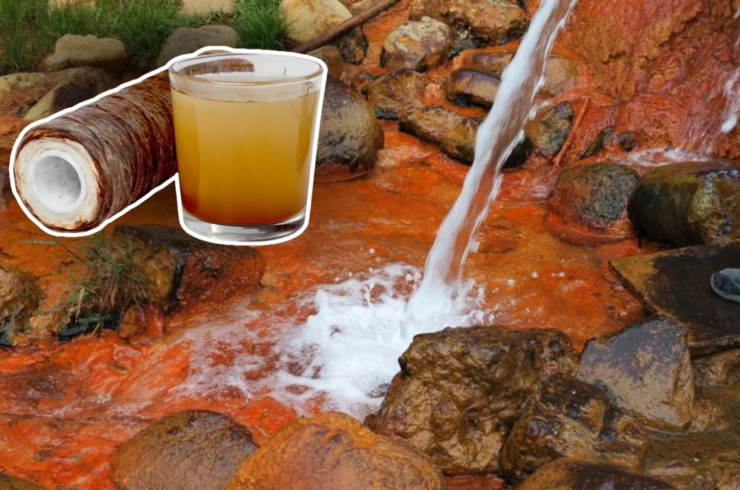
Every household has its own water concerns. White deposits on faucets and showerheads may suggest hardness caused by calcium and magnesium. Orange or reddish stains can sometimes indicate iron, while a strong chlorine taste may be related to the water’s disinfection process. Unusual odors can have several causes, so they deserve attention rather than guesswork.
These signs are useful, but they don’t tell the whole story. Water can look perfectly clear and still contain dissolved substances that cannot be detected by sight or smell. Likewise, an unpleasant taste doesn’t automatically mean that water is unsafe.
Start by noting where the issue occurs and when it began. Does it affect every tap or only one? Is the problem more noticeable after water has stood in the plumbing? Has the taste changed suddenly? Such observations can help narrow down possible causes, although appropriate testing is needed to establish what is actually present.
Why Testing Should Come Before Buying Equipment
A reliable water quality assessment gives homeowners a clearer starting point. Depending on the source and the symptoms, testing may examine hardness, pH, iron, manganese, nitrates, bacteria, or other substances. The appropriate test depends on the concern, and a basic screening for hardness cannot establish whether water is free from every health-related contaminant.
If your home receives municipal water, reviewing the supplier’s water-quality report can provide useful background. However, that report may not reveal issues arising inside your own plumbing. Private well owners generally need a more tailored testing schedule because water conditions can change with rainfall, nearby land use, flooding, and other environmental factors.
For concerns involving bacteria, lead, nitrates, or other potentially harmful substances, use a suitable testing method, which may include analysis by a certified laboratory. Follow the sampling instructions carefully, since poor collection practices can affect results.
Once the findings are available, ask for an explanation in plain language. You should understand which results matter, whether they fall outside relevant guidelines, and what action, if any, is appropriate. Testing should help you make an informed decision, not create pressure to buy equipment immediately.
Treating Water Throughout the House
Some concerns affect more than the kitchen drinking-water tap. Hardness-related scale may develop around bathroom fixtures, water heaters, and laundry equipment. Sediment may appear at several outlets, while certain tastes or odors can affect water throughout the property.
In these situations, whole house water treatment systems may be worth considering. Installed where water enters the home, these systems can treat water supplied to multiple fixtures. Their configuration varies according to the problem being addressed. A sediment filter may capture particles, activated carbon may reduce certain tastes and odors, and a softener may be included when hardness is the main concern.
The important point is that whole-house treatment isn’t one universal technology. A sediment filter won’t reliably remove every dissolved contaminant, and a standard carbon filter shouldn’t be assumed to disinfect water. Each component needs to be selected for its intended purpose and supported by appropriate performance documentation.
Household demand also matters. A system that works well for a small home may struggle when several showers, washing machines, and kitchen taps operate simultaneously. Ask about flow rate, pressure loss, installation space, drainage requirements, and the cost of replacing filter media.
Choosing the Right Treatment for the Problem
Once you know what needs attention, comparing products becomes much easier. Different water treatment systems are designed for different jobs, and understanding those differences can help you avoid unnecessary complexity.
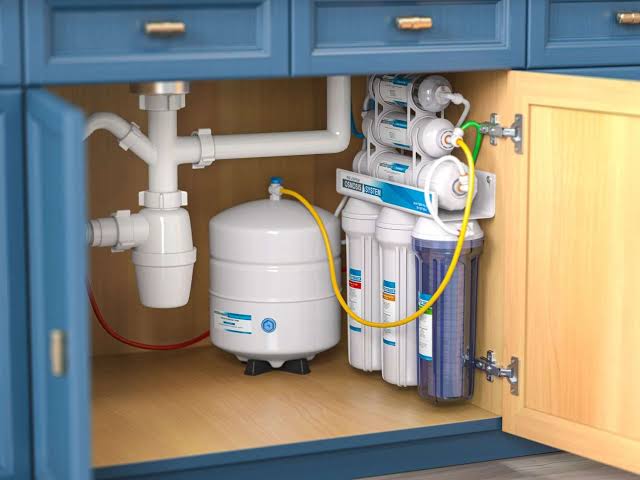
For example, conventional water softeners reduce hardness minerals through an ion-exchange process. They can help limit scale buildup and improve soap performance, but they aren’t general-purpose purifiers. Activated carbon filters may improve taste and reduce certain compounds, while reverse osmosis systems can reduce many dissolved substances when properly selected and maintained.
If testing identifies a microbiological concern, an appropriate disinfection method may be required. Ultraviolet treatment, for instance, can inactivate susceptible microorganisms under suitable conditions, but it does not remove hardness minerals or dissolved salts. Water clarity, correct installation, and routine maintenance all affect performance.
Some homes benefit from combining technologies. A well-water supply might need sediment filtration followed by another treatment stage, depending on the test results. In other households, a single point-of-use filter may be enough. The goal isn’t to install every available option; it’s to address the actual concern with a practical, well-matched solution.
Think About Installation and Everyday Use
Equipment that looks impressive in a product brochure still needs to fit into real life. Before choosing a unit, consider where it will be installed, whether the area is accessible for servicing, and how much water your household uses.
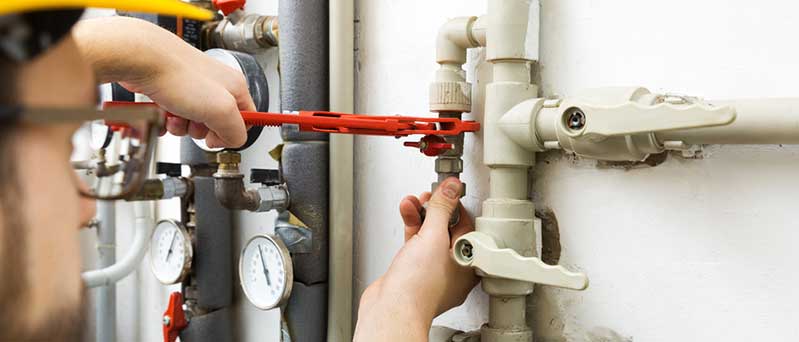
Professional installation may be useful when a system requires plumbing changes, drainage, electrical connections, or specific operating conditions. Ask the installer to explain the proposed setup, including any expected changes to water pressure and the steps involved in checking for leaks. A written estimate should clearly separate equipment, labour, materials, and additional work.
It’s also worth thinking about how the system will feel to use every day. Will drinking water be available quickly enough? Are replacement cartridges easy to obtain? Does the equipment require salt, regular sanitation, or scheduled service visits? These practical details can make a significant difference over the years.
Maintenance Is Part of the Investment
No filtration or treatment system can be installed and forgotten indefinitely. Filters have a service life, membranes may need replacement, and softeners require routine attention. If maintenance is neglected, performance can decline, sometimes without an obvious warning.
Keep a record of installation dates, service visits, filter changes, and test results. Follow the manufacturer’s instructions and investigate sudden changes in taste, odor, color, or pressure. If the water source changes or a private well is affected by flooding or repairs, further testing may be appropriate.
When comparing products, look beyond the purchase price. Replacement parts, servicing, water use, and operating expenses all contribute to the long-term cost. A simpler system that meets your needs may be more practical than a complicated setup with features you rarely use.
Make a Decision That Feels Right for Your Home
Better water doesn’t necessarily require the most expensive equipment or the longest list of filtration stages. It begins with reliable information, a clear understanding of the problem, and realistic expectations about what treatment can accomplish.
Take time to review your results, compare suitable options, and ask questions before committing. A good recommendation should explain what the equipment is designed to reduce, how its performance is verified, and what you’ll need to do to maintain it.
When the solution matches your home’s actual water conditions, the benefits become easier to appreciate. Everyday cleaning may become less troublesome, unpleasant tastes may improve, and you can feel more confident about the decisions you’ve made. That’s what good water treatment should offer: not unnecessary complexity, but a dependable solution that fits your household and the way you live.