Choosing the Right Water Treatment System for a More Comfortable Home
Water is part of nearly every daily routine, from the first cup of coffee in the morning to the last load of laundry at night. Most of the time, we don’t think much about it. That changes when glasses develop cloudy spots, faucets collect stubborn white deposits, or drinking water has a taste that just […]
Water is part of nearly every daily routine, from the first cup of coffee in the morning to the last load of laundry at night. Most of the time, we don’t think much about it. That changes when glasses develop cloudy spots, faucets collect stubborn white deposits, or drinking water has a taste that just doesn’t seem right. These small frustrations can make homeowners wonder whether their water needs a little attention.
Across Florida, water quality can vary depending on the source, local treatment processes, plumbing, and conditions at an individual property. A solution that works well for one household might not be necessary for another. The best place to start isn’t with an expensive piece of equipment. It’s with understanding the problem and choosing a treatment system that genuinely addresses it.
Start by Understanding Your Water
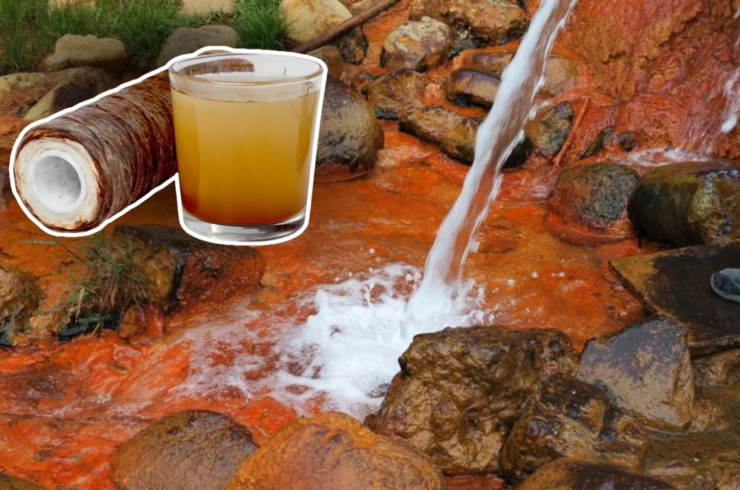
Before investing in water treatment, take time to notice what’s happening around your home. Do mineral deposits appear on showerheads? Does your tap water have a noticeable chlorine taste? Is there sediment in the water, or has its color changed unexpectedly? These observations can point toward possible concerns, although they aren’t enough to identify every water-quality issue.
Testing provides a more reliable starting point. Depending on the water source and the concerns involved, a test may measure hardness, pH, dissolved substances, or particular contaminants. Private well owners may need additional testing based on local conditions and public health recommendations. If a sudden change occurs in water color, smell, or taste, investigate the cause rather than assuming an ordinary filter will fix it.
Once the results are available, you can compare treatment options with greater confidence. This prevents a common mistake: purchasing equipment that sounds impressive but doesn’t solve the actual problem.
When Hard Water Becomes a Household Nuisance
Hard water contains elevated levels of dissolved minerals, particularly calcium and magnesium. These minerals aren’t usually associated with an immediate health concern, but they can create plenty of everyday inconvenience. Soap may not lather as easily, dishes can develop spots, and scale may accumulate inside fixtures and appliances.
A properly selected water softener can help reduce hardness by exchanging calcium and magnesium ions for other ions, commonly sodium. The result is water that is less likely to leave mineral deposits on plumbing fixtures and surfaces. Many homeowners appreciate the difference when cleaning bathrooms, washing dishes, or maintaining equipment that regularly uses water.
Still, softening isn’t the same as filtration. A softener designed to address hardness should not be expected to remove every contaminant or automatically improve every aspect of drinking-water quality. Households with sodium restrictions may also want to discuss suitable options with a qualified professional, particularly if the water will be used for drinking and cooking.
The size of the system matters, too. Household occupancy, water use, incoming hardness, and regeneration requirements all influence equipment selection. A system that is too small may need frequent regeneration, while an oversized or poorly configured unit can add unnecessary cost.
Treating Water Throughout the House
Some water concerns affect more than one faucet. If the goal is to improve water used for bathing, laundry, and general household activities, a whole-home filtration system may be worth considering. Installed where water enters the property, this type of system can treat water before it reaches multiple fixtures.
The technology used depends on the treatment objective. Sediment filters can capture particles, while activated carbon is commonly used to reduce chlorine taste and odor. Other treatment media are designed for specific substances, but their effectiveness depends on the system’s design, the contaminant involved, and the conditions under which the equipment operates.
There is no universal filter that removes everything. Some contaminants require specialized media, disinfection, or another treatment method entirely. That’s why homeowners should check the manufacturer’s performance data and any relevant independent certifications before buying a system.
Whole-house treatment can also involve several components working together. For example, sediment filtration may protect equipment installed farther along the water line, while a separate softener addresses hardness. The right arrangement depends on the test results, water flow, and the home’s plumbing setup.
It’s sensible to ask about pressure loss, replacement filters, installation space, and ongoing service costs before making a decision. These details aren’t as exciting as a product’s headline features, but they often determine whether a system remains convenient over the long term.
Improving Drinking Water at the Kitchen Sink
Water used for drinking and cooking deserves its own consideration. Some families are comfortable with their municipal water but prefer a different taste. Others want treatment for particular dissolved substances identified through testing. In these situations, a point-of-use system can provide a practical option without treating every gallon used throughout the home.
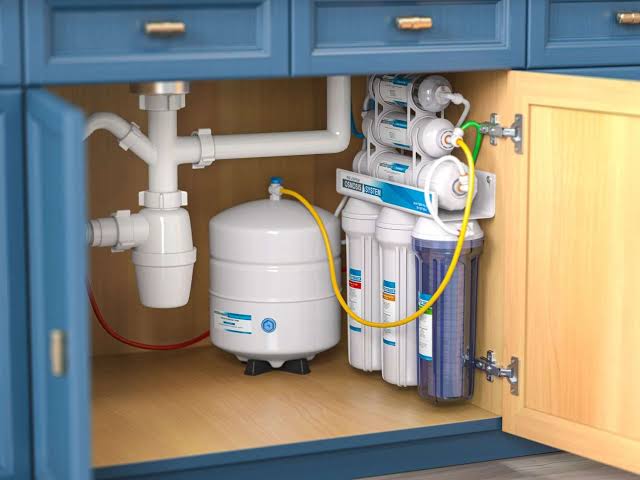
A reverse osmosis system uses a semipermeable membrane to reduce many dissolved substances, depending on the model and its performance specifications. Such systems are often installed beneath the kitchen sink and may include prefilters and a dedicated drinking-water faucet. They can be useful when a household wants a more targeted treatment process for water used in beverages, cooking, and food preparation.
However, reverse osmosis isn’t automatically the right choice for everyone. These systems require periodic filter and membrane replacement, and many models discharge some water during the treatment process. Storage capacity, flow rate, maintenance costs, and wastewater production are all worth reviewing before installation.
It is also important to understand exactly what a particular unit is certified to reduce. Broad marketing statements can be misleading if they don’t identify the substances tested or the conditions covered. A careful comparison of specifications helps separate meaningful performance information from vague promises.
Choosing Equipment Without Overspending
Water treatment can become confusing when several products claim to deliver similar benefits. One company may recommend a whole-house filter, another may suggest a softener, and a third may promote a drinking-water system. Sometimes more than one technology is appropriate. In other cases, a simpler solution may be enough.
Ask providers to explain their recommendations in plain language. What did the water test reveal? Which issue will the equipment address? What results should you reasonably expect? How much will replacement media, salt, servicing, and electricity cost over time? A trustworthy recommendation should include both the benefits and the limitations.
Look for clear documentation and independently verified performance claims where available. Certifications from recognized organizations can help confirm that a product has been evaluated for particular functions. Remember, though, that a certification for reducing one substance doesn’t establish effectiveness against every possible contaminant.
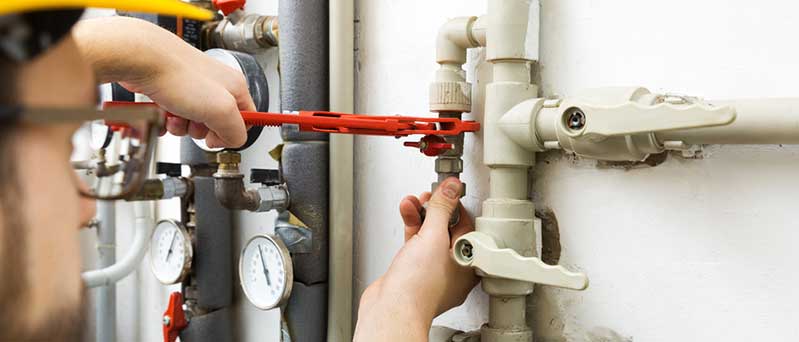
Installation deserves the same attention as product selection. Correct sizing, suitable plumbing connections, and proper setup can influence performance. If your water supply has a specific safety concern, consult a qualified water treatment professional or public health authority about the appropriate response.
Maintenance Makes the Difference
Even a well-designed system needs regular care. Filters become less effective as they reach their service limits, softeners need appropriate salt levels, and reverse osmosis units require scheduled component changes. Maintenance intervals vary according to the product, water conditions, and household consumption.
Keep a simple record of service dates, replacement parts, and any follow-up testing. Follow the manufacturer’s instructions rather than relying on a generic schedule. If water quality changes unexpectedly, have the cause assessed before assuming the treatment equipment is working as intended.
A maintenance plan can also make budgeting easier. Knowing when replacement parts are due helps prevent last-minute purchases and reduces the chance of overlooking an essential service task.
Better Water Begins With Better Decisions
Improving your home’s water doesn’t need to be complicated. Start by identifying the concern, confirm it through suitable testing, and compare systems designed to address that specific issue. A softener may be the right answer for hardness, filtration may help with selected taste or odor concerns, and a drinking-water system may suit a household looking for additional treatment at the kitchen sink.
The goal isn’t to install the most equipment possible. It’s to find a reliable, manageable solution that fits your water quality, budget, and daily routine. With informed choices and regular maintenance, water treatment can become one less thing to worry about—and that’s a worthwhile improvement for any home.