Making Home Water Treatment Simpler, Safer, and Easier to Manage
Water is part of almost everything we do at home. We use it to make tea, wash vegetables, run the dishwasher, take a shower, and get through the usual morning rush. Most of the time, we expect it to work without giving it much thought. But when the water tastes unusual, mineral deposits keep returning, […]
Water is part of almost everything we do at home. We use it to make tea, wash vegetables, run the dishwasher, take a shower, and get through the usual morning rush. Most of the time, we expect it to work without giving it much thought. But when the water tastes unusual, mineral deposits keep returning, or a treatment system starts needing more attention, it becomes difficult to ignore.
The good news is that managing household water doesn’t have to be complicated. Modern treatment equipment offers several ways to address common water concerns, from reducing hardness to improving drinking-water taste. Some systems also include monitoring features that make maintenance easier to track. The important thing is choosing technology that suits your water quality, household routine, and budget.
Start With a Clear Picture of Your Water
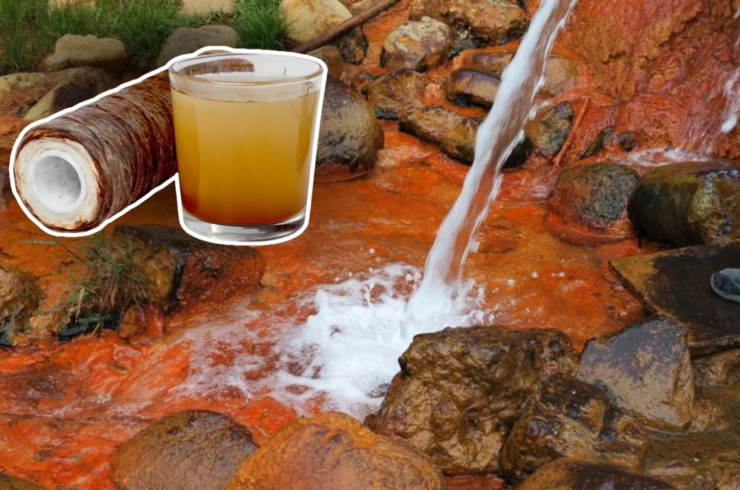
Before choosing a treatment system, take a moment to understand what’s coming through your taps. White deposits around faucets may indicate hard water, while reddish stains can sometimes be associated with iron. An unpleasant chlorine taste or odor may have another explanation. These signs are useful clues, but they don’t provide a complete assessment of water quality.
Testing offers a more reliable starting point. Depending on your water source and concerns, testing may examine hardness, pH, iron, dissolved solids, bacteria, or specific contaminants. If you receive municipal water, reviewing the supplier’s water-quality report can help you understand the general supply. Private well owners may need more frequent testing based on local conditions.
It’s worth remembering that clear water isn’t necessarily free of every contaminant. Some substances cannot be detected by sight, taste, or smell. If you have a health-related concern, use an appropriate testing method and consult a certified laboratory or local health authority when necessary.
Once you understand the results, you can choose equipment based on evidence rather than guesswork. A water softener, for example, addresses hardness minerals, while a carbon filter can reduce certain tastes and odors. Neither should be expected to solve every water-quality problem.
When Disinfection Is Part of the Solution
Some water concerns involve microorganisms rather than minerals or unpleasant tastes. In those cases, treatment may need to include a method designed specifically for disinfection. The right approach depends on the water source, test results, and the microorganisms of concern.
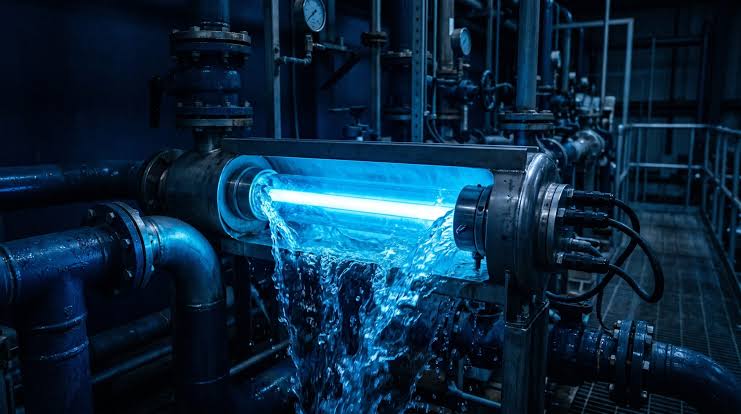
UV disinfection uses ultraviolet light to inactivate susceptible microorganisms as water passes through a treatment chamber. It can be useful in appropriately designed systems, including certain private-well installations, where microbial control is needed. Unlike chemical disinfection, UV treatment does not depend on adding a disinfectant to the water.
There are limits, though. UV equipment does not remove dissolved minerals, sediment, or chemical contaminants. Water may need prefiltration to reduce particles that interfere with treatment, and the system must be sized for the expected flow rate. Lamps and other components also require regular inspection and replacement according to the manufacturer’s instructions.
UV treatment isn’t automatically necessary for every household. Testing should guide the decision, particularly when the concern involves drinking-water safety. If a test identifies bacterial contamination, follow advice from the relevant health authority and make sure the selected system is suitable for the specific situation.
Make Daily Management More Convenient
Water treatment doesn’t end when the equipment is installed. Filters need changing, softeners may require salt, and certain systems need periodic checks to maintain performance. It’s easy to forget these tasks when the equipment is tucked away in a utility room or beneath a kitchen sink.
Some modern systems offer digital monitoring to make routine management less of a guessing game. Depending on the equipment, connected features may help homeowners review operating information, check maintenance reminders, or monitor selected water-use details.
For owners of compatible EcoWater equipment, the EcoWater mobile app may provide convenient access to supported system information and features. Availability depends on the model and configuration, so it’s sensible to confirm the exact capabilities with the manufacturer or authorized dealer before relying on a particular function.
Digital tools can be useful, but they aren’t a substitute for proper maintenance. An alert may indicate that attention is needed without identifying the full cause of a problem. Homeowners should still follow the product manual, replace consumable components on schedule, and investigate unusual changes in taste, pressure, or water appearance.
If an app is part of your planned setup, ask whether the equipment requires a compatible connection, how notifications work, and what information is available remotely. A feature is most useful when it fits naturally into your routine instead of creating another task to manage.
Choosing the Right Treatment Equipment
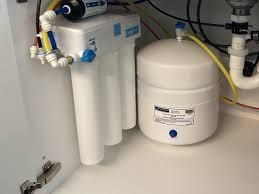
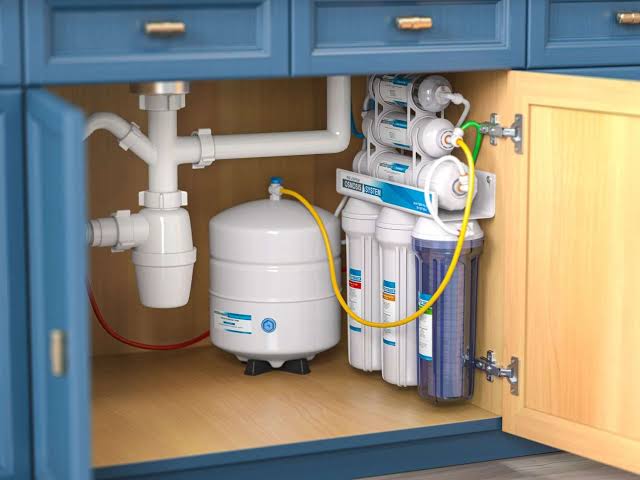
There isn’t one treatment system that works equally well for every property. A household with hard water may benefit from a conventional ion-exchange softener, which reduces calcium and magnesium. Someone mainly concerned about chlorine taste may find a suitable activated carbon filter more appropriate. Reverse osmosis may be worth considering when testing identifies dissolved substances that a properly certified membrane system is designed to reduce.
The details matter. Check which contaminants a product is verified to reduce rather than relying on broad claims about purification. Look at the system’s capacity, expected flow rate, maintenance schedule, and ongoing costs. A unit that performs well for a small household may struggle when several showers, appliances, and taps operate at once.
Also consider where treatment is needed. A point-of-use system can focus on drinking and cooking water, while a whole-house setup treats water as it enters the property. The choice depends on the problem being addressed and the level of treatment required.
Why Installation Quality Matters
Even good equipment can disappoint if it is installed incorrectly. Connections need to be secure, the system must be properly sized, and any drainage or electrical requirements must be handled safely. Installation should also leave enough room for filter replacement and routine servicing.
For many homeowners, professional installation provides reassurance that the equipment has been connected and configured according to the manufacturer’s requirements. A qualified installer can assess the plumbing layout, check water pressure, explain how the system operates, and point out any maintenance tasks the homeowner will need to handle.
Before agreeing to the work, request a written estimate that explains what’s included. Ask about installation costs, replacement parts, warranty coverage, and the expected service schedule. If additional plumbing work is required, make sure those details are clear before the project begins.
A good installer should explain the system’s limitations as well as its benefits. No treatment device can be expected to remove every unwanted substance, and some water concerns may require additional testing or a combination of technologies.
Keep the System Working as Intended
Routine care is one of the simplest ways to protect your investment. Record installation dates, keep track of filter changes, and follow the manufacturer’s recommended servicing schedule. If the water quality changes or the system begins behaving differently, investigate rather than assuming the problem will disappear on its own.
For private wells, periodic testing is particularly important because water conditions can change after flooding, repairs, or shifts in the surrounding environment. Municipal water customers should also pay attention to persistent changes that may be related to household plumbing.
Maintenance doesn’t need to become a major project. A calendar reminder, a folder for service records, and a clear understanding of replacement intervals can make the process much easier.
Find an Approach That Fits Your Household
Better water management begins with reliable information and realistic expectations. Identify the concern, test the water when appropriate, and compare equipment based on verified performance, installation requirements, and long-term cost.
Modern features can make treatment systems more convenient, but the fundamentals still matter: suitable technology, careful installation, and consistent maintenance. The best solution isn’t necessarily the newest or most expensive model. It’s the one that addresses your water conditions and fits the way you live.
With a little planning and the right guidance, water treatment can become a straightforward part of caring for your home, helping you manage everyday needs with greater confidence and fewer unwelcome surprises.