
Upgrading Your HVAC Without the Stress: A Smarter Way to Think About Cost and Comfortv
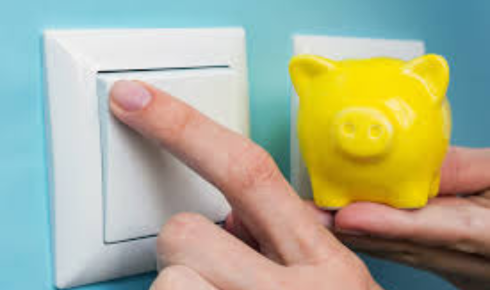
There’s a point where every homeowner or business owner starts thinking about their HVAC system—usually not at a convenient time. It’s either struggling through extreme weather or quietly driving up energy bills without asking for permission.
And then comes the big question: do you repair it again… or finally upgrade?
That decision isn’t always easy. It’s tied to cost, comfort, and a fair bit of uncertainty. But once you start looking deeper, you realize an upgrade isn’t just an expense—it can actually be a shift toward something more stable, more efficient, and honestly, a bit less frustrating.
Why Upgrading Feels Expensive (But Isn’t Always)
Let’s get this out of the way—HVAC upgrades can feel expensive upfront. There’s no sugarcoating that.
But what many people don’t consider is how the cost is offset over time. Not just through lower bills, but through available hvac upgrade incentives that are designed to make the transition easier.
These incentives often come from government programs or local energy providers. They reward homeowners who switch to more efficient systems, helping reduce the initial financial burden.
And here’s the thing—these programs aren’t always obvious. You have to look for them, ask about them, sometimes even dig a little. But when you find the right ones, they can make a noticeable difference in how affordable an upgrade feels.
Thinking Beyond the Price Tag
It’s natural to focus on the initial cost of a new system. That’s the number staring back at you, after all.
But a better approach is to zoom out a bit and consider the full picture. That’s where practical cost reduction strategies come into play.
For example, choosing a system that matches your actual needs—not oversized, not undersized—can prevent unnecessary energy use. Improving insulation or sealing ducts can reduce how hard your system has to work. Even simple habits, like regular maintenance, can extend the lifespan of your investment.
None of these are dramatic changes on their own. But together, they create a system that runs more efficiently and costs less to operate over time.
It’s less about cutting corners and more about making smarter choices.
Why Efficiency Changes the Way Your Home Feels
There’s a misconception that upgrading to a more efficient system only affects your energy bill. But the impact goes beyond numbers.
When you make an efficient system investment, you’re also improving how your space feels day to day.
The air becomes more consistent. You don’t get those sudden temperature swings or rooms that never quite match the rest of the house. The system runs quieter, smoother, almost like it’s not trying so hard.
It’s a subtle change, but it adds up. You stop thinking about your HVAC system as something you have to manage, and it becomes something that simply works.
And that shift—from constant adjustment to quiet reliability—is where real comfort lives.
The Hidden Cost of Waiting Too Long
It’s easy to delay an upgrade. As long as the system is still working, even if it’s struggling, it doesn’t feel urgent.
But older systems tend to become less efficient over time. They consume more energy, require more repairs, and deliver less consistent performance.
What starts as a minor inconvenience can turn into a pattern—higher bills, more frequent breakdowns, and a system that never quite meets your expectations.
At some point, the cost of maintaining the old system starts to rival the cost of replacing it.
And that’s usually when people realize they’ve been spending money without actually improving anything.
Choosing the Right System Isn’t About Trends
With so many options available—heat pumps, high-efficiency furnaces, smart systems—it’s easy to feel overwhelmed.
But the “best” system isn’t universal. It depends on your space, your climate, and how you use your home or business.
A system that works perfectly in one setting might not perform as well in another. That’s why it’s important to focus on fit rather than trends.
Think about your daily routine. How often are you home? Which areas need the most attention? Are there rooms that always feel different from the rest?
Answering these questions can guide you toward a system that actually suits your needs.
The Role of Installation in Long-Term Performance
Even the best system can underperform if it’s not installed correctly.
Proper sizing, balanced airflow, and attention to detail during installation all play a role in how well your system functions.
It’s not just about getting it up and running—it’s about setting it up for long-term success.
That’s why working with experienced professionals matters. They don’t just install equipment; they ensure everything is aligned so the system performs the way it should.
And when installation is done right, you feel it—not immediately, but over time, in the consistency and reliability of your space.
A Final Thought: Comfort Is an Investment in Itself
At the end of the day, upgrading your HVAC system isn’t just about equipment or incentives. It’s about creating a space that feels right.
A place where you don’t have to think about temperature all the time. Where the air feels balanced, the system runs quietly, and everything works the way it should.
And while the process might seem complex at first, it doesn’t have to be overwhelming.
Take it one step at a time. Explore your options. Look into available incentives. Think about what actually matters to you.
Because when you make the right choices, the result isn’t just a better system—it’s a better experience of your space, every single day.