The Subtle Shift in How We Think About Drinking Water at Home
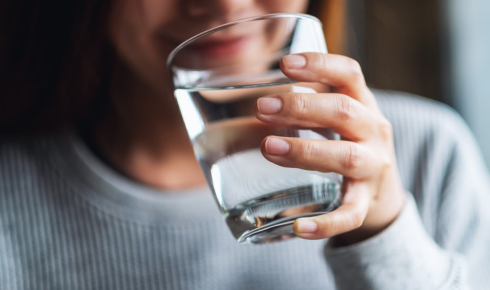
There was a time when water was just… water. You turned on the tap, filled a glass, and that was that. No second thoughts, no comparisons, no quiet analysis of how it felt going down.
But something has changed over the years.
People have started paying attention—not just to whether their water is safe, but to how it tastes, how it feels, and even how it fits into their daily rhythm. It’s a subtle shift, but once you notice it, you can’t really go back.
You begin to realize that water isn’t just a necessity. It’s part of your everyday experience.
Learning Without Overcomplicating It
If you’ve ever looked into water quality, you’ve probably come across a lot of technical terms. pH levels, mineral content, filtration stages—it can feel like a lot, honestly.
That’s where alkaline water education plays an important role, not in making things more complicated, but in making them more understandable.
Because at its core, the idea is simple.
Water can vary slightly in its composition. Some water contains more minerals, some less. Some leans a bit acidic, some slightly alkaline. And these small differences can affect how it tastes and feels.
You don’t need a chemistry degree to understand that. Just a bit of curiosity.
Why Balance Feels Better
Think about the last time you drank a glass of water that felt just right. Not too sharp, not too flat—just smooth and refreshing.
That feeling often comes down to balance.
When water is stripped of everything—through heavy filtration, for example—it can feel almost too clean. Like something’s missing. On the flip side, water with too many dissolved solids can feel heavy or harsh.
Somewhere in the middle is what many people prefer.
That’s where the idea of balanced pH drinking water comes into play. It’s not about chasing perfection. It’s about finding a level that feels natural and enjoyable.
And for most people, that balance isn’t extreme. It’s subtle.
The Taste Factor You Can’t Ignore
Here’s something people don’t always admit right away—taste matters more than we think.
If your water tastes good, you drink more of it. If it doesn’t, you’ll find yourself reaching for something else, even if you know water is the better choice.
It’s human nature.
And that’s why even small improvements in taste can have a real impact. Not in a dramatic, life-changing way, but in the quiet, everyday choices you make.
You take another sip. You refill your glass without thinking. You stay hydrated without effort.
Hydration Isn’t Just a Health Goal
We often talk about hydration in terms of health goals—drink eight glasses a day, stay hydrated, keep your body functioning properly.
All true.
But there’s another side to it that’s less talked about.
Hydration is also about comfort. About how you feel throughout the day. About that sense of refreshment after a long walk or a busy afternoon.
That’s where everyday hydration becomes more than just a checklist.
It becomes part of your routine, something that supports you without demanding attention.
And when your water feels right, that routine becomes effortless.
The Quiet Influence of Your Water System
Most of us don’t think much about the systems behind our water.
They’re tucked away—under sinks, in cabinets, out of sight.
But they play a bigger role than we realize.
The type of filtration you use, the presence of minerals, even the condition of your system—all of these factors influence your water’s final form.
And when those elements are aligned, you don’t notice them.
You just notice that your water feels good.
Personal Preference Matters More Than Trends
There’s a lot of noise out there about what kind of water is “best.”
Alkaline, purified, mineralized—the list goes on.
But here’s the thing: the best water is the one you enjoy drinking.
Some people prefer the crisp neutrality of purified water. Others like the slightly richer feel of mineralized or alkaline water.
There’s no universal answer.
And that’s actually a good thing.
Because it gives you the freedom to choose what works for you.
Small Adjustments, Real Results
If you’re not completely satisfied with your water, you don’t need to make drastic changes.
Often, small adjustments are enough.
A different filter. A system that reintroduces minerals. A slight shift in how your water is treated.
These changes don’t overhaul your entire setup—they refine it.
And sometimes, that’s all it takes.
Paying Attention Without Obsessing
It’s easy to go down a rabbit hole with this kind of thing—analyzing every detail, comparing options, trying to find the “perfect” solution.
But it doesn’t have to be that way.
Pay attention, yes. Notice how your water tastes, how it feels, how it fits into your day.
But don’t overthink it.
Water should be simple.
A Different Way to Look at It
Maybe the biggest shift is this: instead of seeing water as something you just consume, you start seeing it as something you experience.
It’s part of your morning routine. Part of your meals. Part of your moments of rest.
And when it feels right, everything flows a little more smoothly.
Final Thoughts
At the end of the day, improving your water isn’t about chasing trends or hitting exact numbers.
It’s about finding what feels right for you.
Clean, balanced, and enjoyable water can quietly improve your daily routine in ways you might not expect.
Not in a loud or obvious way—but in a steady, reliable way that supports your life without asking for attention.
And honestly, that’s the kind of improvement that sticks.