Choosing the Right Heating System for a Comfortable Home
A reliable heating system is one of those household necessities you don’t really think about until it stops working. On a cold morning, though, the difference between a warm home and a freezing one becomes pretty obvious, pretty quickly. Heating equipment works hard throughout the colder months. Dust builds up, filters become dirty, moving parts […]
A reliable heating system is one of those household necessities you don’t really think about until it stops working. On a cold morning, though, the difference between a warm home and a freezing one becomes pretty obvious, pretty quickly.
Heating equipment works hard throughout the colder months. Dust builds up, filters become dirty, moving parts wear down, and older equipment gradually loses efficiency. With the right care, however, many heating systems can provide dependable comfort for years.
Whether you’re maintaining an existing system or thinking about replacing it, understanding the basics can help you make better decisions without getting lost in technical jargon.
Understanding Different Heating Options
Not every home needs the same type of heating equipment. The right choice depends on the property’s size, insulation, climate, existing ductwork, budget, and personal preferences.
Traditional furnaces remain a popular choice because they can provide strong, consistent heat throughout a home. Depending on the model, they may run on natural gas, electricity, or another fuel source.
Other homes may benefit from boilers, heat pumps, or ductless systems. There isn’t one option that’s automatically best for everyone. What matters is finding equipment that matches the actual needs of the property.
Why Proper Sizing Matters
Buying the biggest heating system available might sound like a safe bet, but bigger isn’t necessarily better.
An oversized system can heat a space too quickly and shut down before completing a normal cycle. Frequent cycling may affect efficiency and put unnecessary wear on components. On the other hand, a system that’s too small may run continuously while still struggling to keep the home comfortable.
Proper sizing takes several factors into account, including square footage, insulation, windows, ceiling height, and local weather conditions.
A professional assessment before installation can help prevent an expensive mistake.
Older Heating Units May Need Extra Attention
Older heating units can continue working for many years, but they usually require more attention as they age.
If a system starts making unusual noises, producing uneven heat, or requiring frequent repairs, those signs shouldn’t be ignored. Rising energy bills can also indicate that equipment is losing efficiency.
That doesn’t automatically mean replacement is necessary. Sometimes a relatively small repair or maintenance visit can restore normal operation.
However, when repairs become frequent and operating costs keep increasing, replacing an aging system may make more financial sense than continuing to patch it together.
Maintenance Is Easier Than an Emergency
Nobody enjoys scheduling heating maintenance. It’s one of those household chores that feels unnecessary when everything is working perfectly.
But that’s exactly when maintenance is most useful.
Replacing filters according to the manufacturer’s recommendations, keeping vents clear, and checking that outdoor equipment isn’t blocked by debris are simple steps homeowners can take themselves.
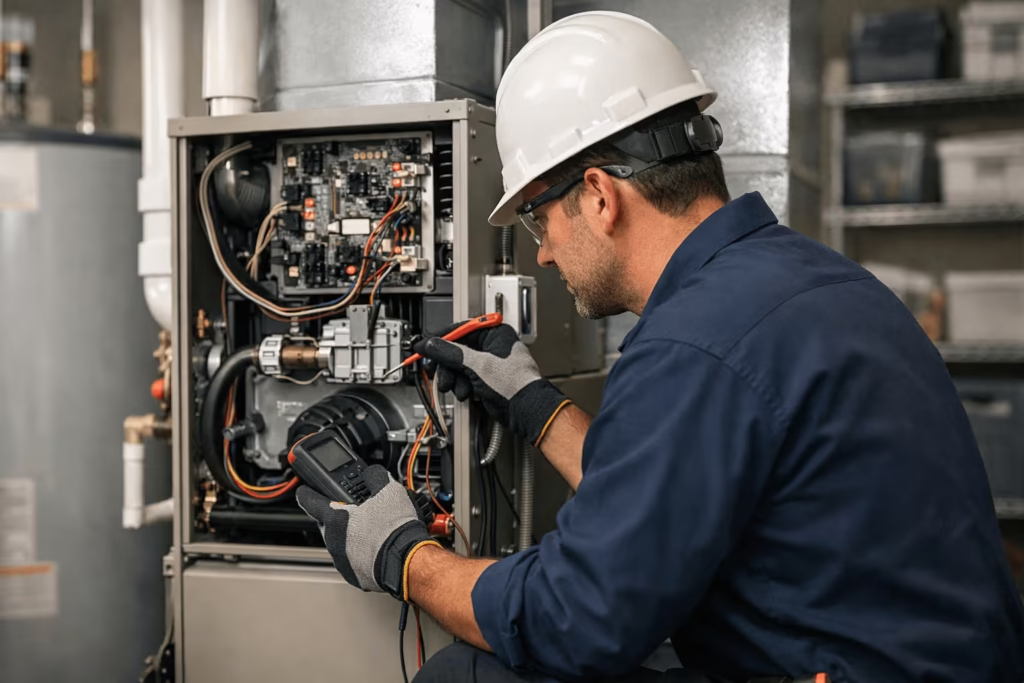
Professional maintenance can go further by checking electrical connections, airflow, safety controls, moving components, and other parts of the system.
A little attention before winter arrives can prevent some very uncomfortable surprises later.
Why Technician Credentials Matter
When someone is working on your heating equipment, technical knowledge isn’t the only thing that matters. You’re also trusting that person with your home and property.
Choosing licensed, insured, background-checked technicians can provide an additional level of confidence. Licensing requirements vary by location and type of work, so homeowners should understand what credentials apply in their area.
Insurance is important because unexpected accidents can happen even during routine service. Background checks can also give homeowners peace of mind when technicians need to enter private spaces.
A professional company should have no problem explaining its qualifications and service practices.
Don’t Ignore Strange Sounds
Heating systems make some noise while operating, but homeowners generally learn what’s normal for their particular equipment.
A new banging, grinding, rattling, squealing, or clicking sound is different.
It could be something simple, such as a loose component or debris. It might also indicate a worn motor or another mechanical problem.
The safest approach is to pay attention to changes. If an unfamiliar sound continues or is accompanied by weak airflow, unusual smells, or poor heating performance, arranging an inspection is sensible.
Catching a small issue early can sometimes prevent a much larger repair.
Energy Efficiency Starts With the Home
Even the most efficient heating system can’t compensate completely for a poorly insulated home.
Drafty windows, gaps around doors, inadequate attic insulation, and leaky ductwork can allow heated air to escape. The system then has to work longer to maintain the temperature you’ve selected.
Simple improvements can help. Sealing noticeable drafts, improving insulation, keeping doors and windows properly sealed, and making sure vents aren’t blocked can reduce unnecessary heat loss.
Sometimes improving the home itself is a better first step than immediately replacing the heating equipment.
When Repair Makes More Sense Than Replacement
Deciding whether to repair or replace a heating system isn’t always straightforward.
If the equipment is relatively young and has developed one isolated problem, repair may be the obvious choice. If it’s older and has a long history of breakdowns, the calculation changes.
Consider the cost of the current repair, the system’s age, energy efficiency, maintenance history, and likely remaining lifespan.
A trustworthy technician should explain both options rather than automatically pushing for replacement. You should understand what you’re paying for and why.
Safety Should Always Come First
Heating equipment can involve electricity, combustion, fuel, and high temperatures. That means certain problems shouldn’t be handled as DIY experiments.
If you notice smoke, a strong fuel smell, unusual burning odors, electrical sparking, or another obvious safety concern, stop using the equipment if it is safe to do so and seek professional assistance.
Comfort matters, but safety comes first every time.
Preparing Before Winter Arrives
The worst time to discover a heating problem is usually when temperatures have already dropped and everyone is relying on the system.
A preseason inspection gives you an opportunity to address small concerns before the equipment is under constant demand. It also gives you time to plan for replacement if your system is reaching the end of its useful life.
Being prepared doesn’t mean spending money unnecessarily. It means understanding the condition of your equipment and making decisions before you’re forced into them.
Warmth Is About More Than a Thermostat
A comfortable home depends on more than simply turning up the thermostat. Proper equipment selection, good installation, regular maintenance, efficient operation, and timely repairs all play a part.
You don’t need to become an HVAC expert to protect your heating system. Pay attention to changes, keep up with basic maintenance, and work with qualified professionals when a problem goes beyond simple household care.
A little preparation can make a big difference when winter arrives. And when you walk into a warm home on a cold morning, you’ll appreciate the work that went into keeping it that way.