Why Better Water Management Matters for Commercial Spaces
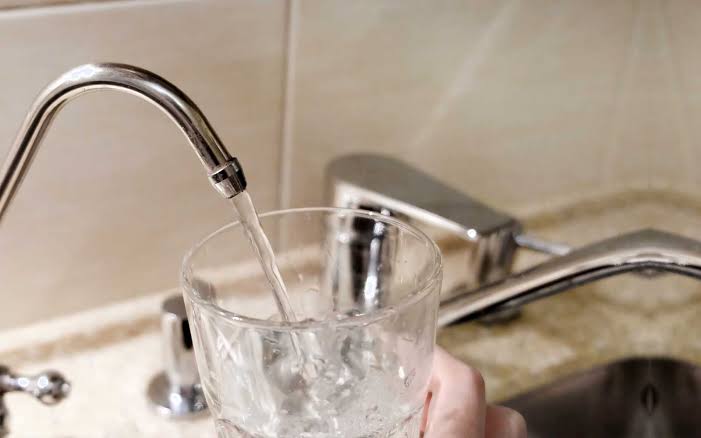
Water is one of those things most businesses barely notice until something goes wrong. A strange taste in the drinking water, cloudy glasses, stubborn scale around fixtures, or a sudden plumbing issue can quickly turn into a bigger operational headache. For commercial properties, water quality isn’t just about convenience. It can affect equipment, hygiene, customer experiences, energy use, and even day-to-day productivity.
That’s why businesses need to think beyond simply having water available. The goal is to manage water properly from the point it enters the building to the places where employees, customers, and equipment use it. A thoughtful water management strategy can make a noticeable difference, especially in restaurants, offices, hotels, healthcare facilities, schools, and other busy commercial environments.
Why Commercial Water Quality Deserves More Attention
Residential water systems generally serve a relatively small number of people. Commercial buildings are different. Water may pass through dozens of fixtures every day and supply everything from drinking stations to dishwashers, boilers, coffee machines, ice makers, and cleaning equipment.
Even when municipal water meets regulatory standards, its quality can still create practical problems inside a commercial property. Minerals such as calcium and magnesium may contribute to hard-water scale. Sediment can affect fixtures and equipment, while chlorine and other compounds can influence taste and odor.
These issues aren’t always dramatic at first. A faucet may simply look a little dull. A coffee machine might require cleaning more often. Then, months later, equipment performance starts slipping. Small problems have a funny way of becoming expensive ones.
Filtration and Sanitization Are Part of a Bigger Strategy
Good water management usually involves more than installing one filter and forgetting about it. Different applications may require different treatment methods, depending on the source water, building size, and intended use.
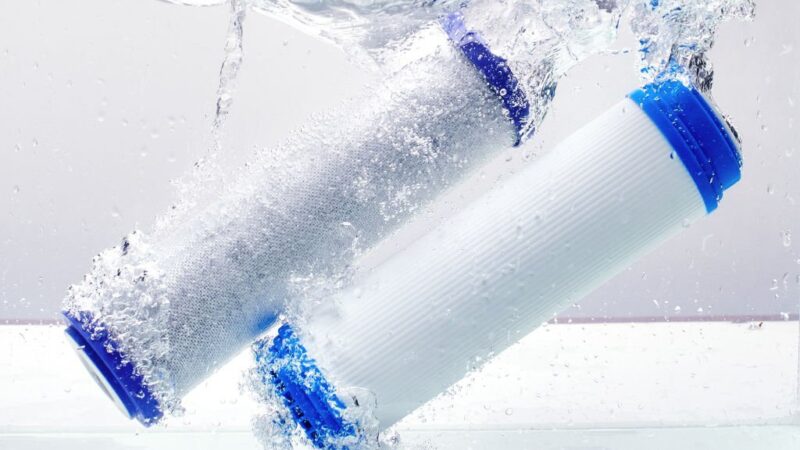
A properly designed commercial filtration & sanitization approach can help businesses address specific water-quality concerns while maintaining consistent performance. Filtration may target sediment, chlorine, certain chemicals, or other unwanted substances, while sanitization helps control microbial risks where appropriate.
The key is understanding what is actually in the water before choosing equipment. A system that works beautifully for one property might be unnecessary—or insufficient—for another.
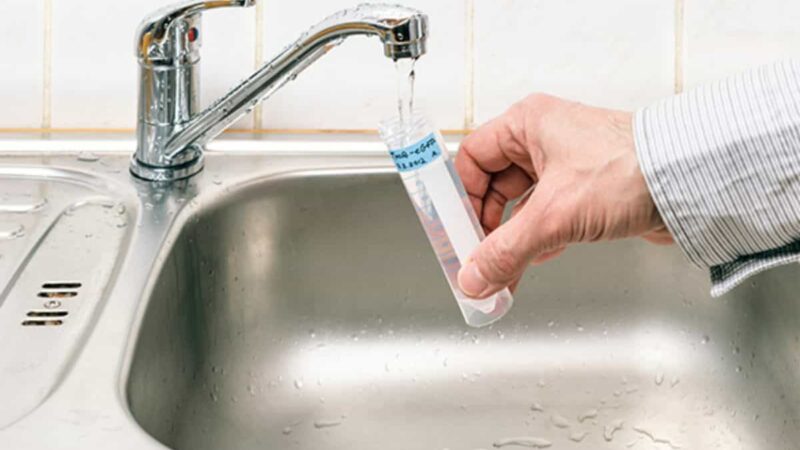
That’s why water testing matters. Testing provides useful information about hardness, pH, sediment, mineral content, and other characteristics. From there, a water professional can recommend treatment based on real conditions rather than guesswork.
Hard Water Can Quietly Damage Equipment
Hard water is especially frustrating in commercial environments because it tends to leave evidence everywhere. You might see white deposits around faucets, showerheads, sinks, and dishwashing equipment. But the visible buildup is only part of the story.
Inside pipes and appliances, mineral scale can gradually accumulate on heating elements and internal components. Water heaters, boilers, dishwashers, coffee equipment, and other systems that regularly heat water can be particularly vulnerable.
This is where water conditioning can play an important role. Depending on the water chemistry and application, conditioning can help reduce the effects associated with hardness and improve how water behaves throughout a building.
It isn’t about making every drop of water identical. It’s about matching treatment to the property’s actual needs. In a busy restaurant, for example, protecting a high-use dishwasher may be a much bigger priority than treating every fixture in exactly the same way.
Drinking Water Should Be Convenient, Too
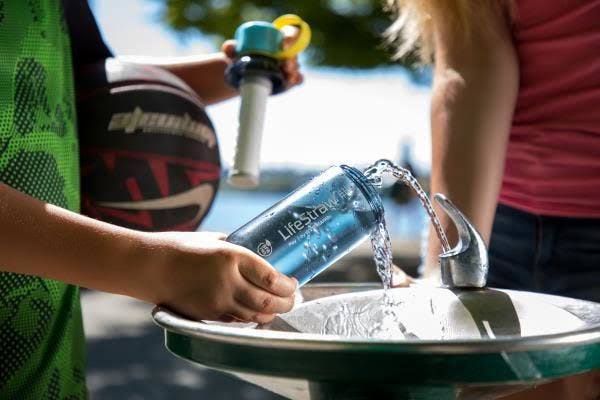
People tend to drink more water when clean drinking water is easy to access. That sounds obvious, but it matters in offices, schools, gyms, healthcare facilities, and workplaces where people spend hours at a time.
Traditional bottled water can create its own set of challenges. Businesses have to deal with storage, deliveries, empty containers, and ongoing purchasing. A bottleless drinking-water system can provide filtered water directly where it’s needed, without the constant handling of individual bottles.
Modern commercial kitchens & bottleless coolers can also be designed around the way a facility actually operates. In a workplace, that might mean convenient hydration stations. In a hospitality environment, it could involve dedicated drinking-water solutions for staff and guests.
There’s also a practical side to this. Less dependence on disposable bottles can reduce storage requirements and unnecessary waste. It won’t solve every sustainability challenge, but it’s one small operational change that can add up over time.
Commercial Kitchens Have Special Water Needs
Few commercial spaces are as demanding on water systems as professional kitchens. Water is used constantly—for cooking, washing produce, cleaning dishes, making ice, brewing beverages, and sanitizing surfaces.
Water quality can influence both the finished product and the equipment used to prepare it. Hard water may leave deposits inside dishwashers and steam equipment. Chlorine or other compounds can affect the taste of beverages and food prepared with water.
A commercial kitchen also can’t afford frequent interruptions. If a treatment system is difficult to maintain or poorly sized, it can become another problem for staff rather than a solution.
The right system should fit the kitchen’s flow, water demand, equipment, and maintenance capabilities. In other words, treatment needs to work with the business—not against it.
Maintenance Is Where Good Systems Prove Their Value
Even the best water treatment equipment needs attention. Filters eventually become saturated, components wear out, and treatment performance can change as water conditions or usage patterns change.
Regular maintenance helps keep a system operating as intended. Depending on the equipment, this may include replacing filter cartridges, checking pressure, inspecting connections, cleaning components, testing water quality, and reviewing system performance.
Businesses should also keep simple maintenance records. It may seem like paperwork nobody has time for, but knowing when filters were changed or equipment was serviced makes troubleshooting much easier later.
And don’t ignore unusual changes. A sudden taste difference, reduced flow, strange odor, or visible scale can be an early warning sign that something needs attention.
Choosing a System Starts With the Building
There isn’t a universal commercial water treatment system that works perfectly for every property. A small office and a large hotel simply don’t have the same water demands.
Before investing in equipment, consider:
- The building’s daily water consumption
- The source and quality of incoming water
- Existing plumbing and equipment
- Hardness and mineral levels
- Drinking-water requirements
- Kitchen or food-service demands
- Available installation space
- Maintenance requirements
- Long-term operating costs
It’s also worth thinking about future needs. If a restaurant plans to expand its kitchen or an office expects more employees, today’s water demand may not be tomorrow’s demand.
A Smarter Approach to Commercial Water
Water treatment isn’t necessarily about installing the biggest or most sophisticated system available. In fact, bigger isn’t always better. The smarter approach is to identify the actual problem, understand the building’s needs, and choose technology that solves those problems efficiently.
For business owners and facility managers, that can mean fewer equipment issues, better-tasting drinking water, easier maintenance, and a more dependable water supply. Just as importantly, it creates a more comfortable environment for the people who use the building every day.
Water may be easy to overlook because it’s always there. But when it’s managed thoughtfully, the benefits can be surprisingly visible—in cleaner equipment, smoother operations, and fewer unpleasant surprises.
And really, that’s the point. Good commercial water management shouldn’t become another thing a business has to worry about. It should quietly do its job in the background, helping the rest of the operation run a little better.