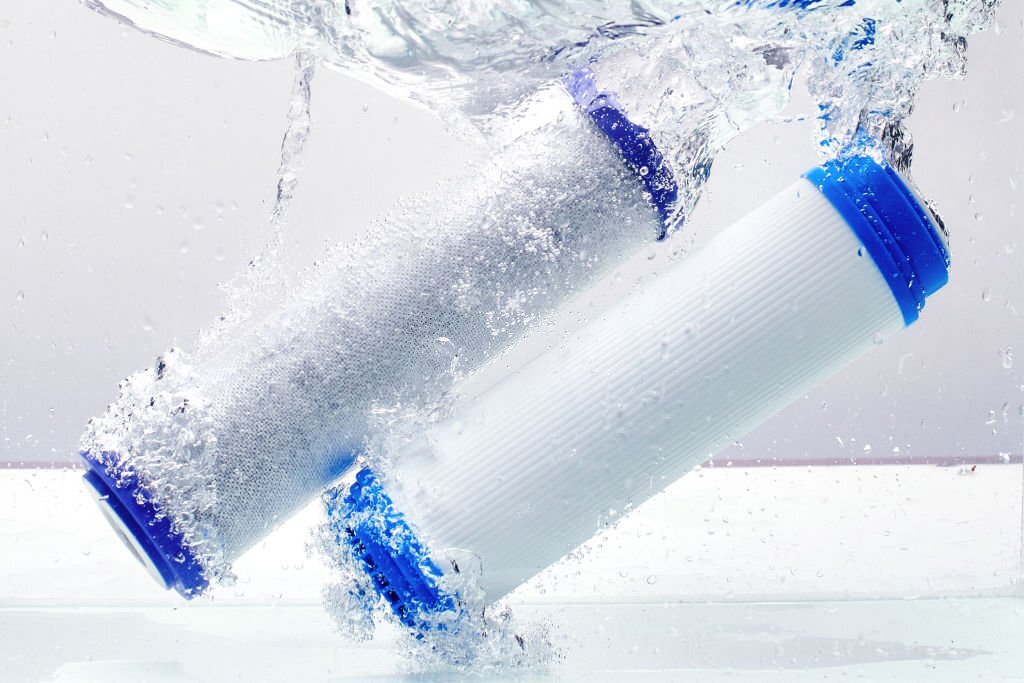
Water can look perfectly clear and still contain substances that affect its smell, flavor, or overall quality. That’s one reason home water filtration has become so common. People aren’t always trying to transform questionable water into something drinkable; often, they simply want to reduce an unpleasant taste or make their everyday tap water more enjoyable.
Among the many filtration technologies available, carbon-based systems are perhaps some of the easiest to understand. They have been used in water treatment for years and can be particularly useful for certain chemicals and compounds. Still, knowing what a filter can and cannot do is important before buying one.
What Are Activated Carbon Filters?
Activated carbon filters use specially processed carbon with an extremely porous structure. During manufacturing, the carbon is treated to create countless microscopic pores, giving it a surprisingly large surface area.
When water passes through the material, certain contaminants are attracted to the carbon surface and held there. This process is called adsorption. It’s a little like having millions of tiny parking spaces where unwanted molecules can settle.
The effectiveness depends on several factors, including the type of carbon, the amount used, water flow rate, and the particular contaminant involved. So, while carbon filtration is useful, it isn’t a one-size-fits-all treatment.
Why Chlorine Is Commonly Targeted
Municipal water systems often disinfect water to control harmful microorganisms. Chlorine is widely used for this purpose because it is effective and relatively practical for large-scale water treatment.
The downside, at least from a taste perspective, is that some people can detect chlorine in their drinking water. It may create a noticeable swimming-pool-like smell or flavor, especially when water has been sitting in a glass or jug.
Carbon filtration can reduce free chlorine and help improve taste and odor. For households where chlorine is the main complaint, this can be one of the most noticeable benefits of installing a carbon filter.
It’s worth remembering, though, that chlorine itself isn’t automatically a sign of unsafe water. Disinfection is an important part of public water treatment. The concern is usually about taste, odor, and specific exposure levels rather than the mere presence of chlorine.
Understanding VOCs in Water
Another group of substances that carbon can help address is volatile organic compounds, commonly abbreviated as VOCs. These are a broad family of chemicals that can enter water through industrial activity, fuel contamination, solvents, pesticides, and other sources.
Not all VOCs behave in exactly the same way, and carbon doesn’t remove every chemical equally well. Performance depends on the particular compound and the design of the filtration system.
For anyone concerned about a known VOC contamination issue, relying on a generic household filter isn’t a good idea. Water testing should come first. Once you know what you’re dealing with, you can select a treatment system that has been specifically tested for the relevant contaminant.
How Carbon Improves Taste and Odor
One of the biggest reasons consumers choose carbon filtration is surprisingly simple: the water tastes better.
Tap water can sometimes have earthy, chemical, or musty notes caused by naturally occurring compounds, treatment chemicals, or interactions with plumbing. These subtle flavors may not indicate a serious health problem, but they can make people less enthusiastic about drinking water.
A properly maintained carbon filter can reduce some of those taste- and odor-causing compounds. For someone who normally avoids tap water, that small improvement can make a genuine difference.
And there’s something satisfying about filling a glass from the kitchen tap and not thinking twice about the smell.
Different Types of Carbon
Not all activated carbon is identical. Two common forms used in filtration are granular activated carbon and carbon block.
Granular activated carbon consists of loose carbon particles. It can provide good adsorption performance and is widely used in household systems. Carbon block filters, on the other hand, use compressed carbon formed into a solid block. Their design can offer additional filtration characteristics, depending on the product.
Some systems combine carbon with other filtration media. That can make sense when the goal is to address several different types of contaminants rather than just taste and odor.
What Carbon Filters Don’t Remove
This is where expectations matter.
Carbon filtration isn’t a universal solution for every water-quality concern. Depending on the system, it may not effectively remove dissolved salts, many minerals, nitrates, or certain microorganisms. Heavy metals may also require specially designed media or additional treatment.
That’s why buying the first filter labeled “purification” can be misleading. Read the specifications carefully. Look for independent certification where available, especially if you’re trying to reduce a specific contaminant.
Filter Maintenance Matters
Even an excellent carbon filter won’t work indefinitely.
As the carbon captures contaminants, its adsorption capacity gradually decreases. Once the filter reaches its capacity, performance can decline. Some systems also become vulnerable to microbial growth if cartridges are left in service far beyond their recommended replacement period.
Following the manufacturer’s replacement schedule is therefore more than a minor housekeeping task. It’s part of using the filtration system correctly.
If water suddenly develops an unusual taste after months of normal use, the filter cartridge may simply be overdue for replacement.
Choosing a Carbon Filter Wisely
Start with the water, not the marketing.
If your main problem is chlorine taste, a basic carbon filter may be enough. If you have concerns about VOCs or another specific contaminant, check whether the filter has been tested or certified for that substance.
For private wells, unusual odors, visible changes in water quality, or suspected contamination, testing is especially important. A water test can prevent you from spending money on a system that doesn’t solve the actual problem.
A Simple Approach to Better Water
Carbon filtration isn’t flashy technology, and perhaps that’s part of its appeal. It relies on a straightforward scientific principle that has proven useful in many water-treatment applications.
The trick is understanding its role. A carbon filter can be excellent for improving taste and reducing certain chemicals, but it isn’t designed to solve every possible water problem.
Choose based on your source water, identify the contaminants that actually matter, maintain the cartridge properly, and treat bold claims with a healthy dose of skepticism. Done that way, carbon filtration can be a practical little upgrade that makes everyday water more pleasant—and sometimes, that’s exactly what you need.