Why Free Commercial Water Testing Is a Smart First Step for Businesses
Water is one of those things businesses depend on every day without giving it much attention. It runs through kitchens, bathrooms, laundry systems, cooling equipment, boilers, ice machines, and countless other fixtures. When everything works normally, nobody thinks twice about it. But when scale appears, equipment starts struggling, or water tastes different, suddenly the quality of that water becomes important.
For commercial properties, understanding the water before choosing treatment equipment can save time, money, and plenty of frustration. Testing gives business owners a starting point instead of forcing them to make decisions based on assumptions.
Why Businesses Should Pay Attention to Water Quality
Water can contain minerals, sediment, chlorine, iron, and other naturally occurring substances. The exact characteristics depend on the local supply, plumbing infrastructure, and whether the property uses municipal water or a private source.
water quality can affect much more than drinking water. Hardness, for example, may contribute to mineral deposits inside water heaters, dishwashers, boilers, and pipes. Sediment can collect inside valves and filters, while certain substances may influence taste or odor.
These problems aren’t always dramatic at first. Often, they’re gradual. A dishwasher needs more cleaning, a showerhead develops buildup, or an appliance doesn’t seem to perform quite as well as it used to.
What Free Commercial Water Testing Can Tell You
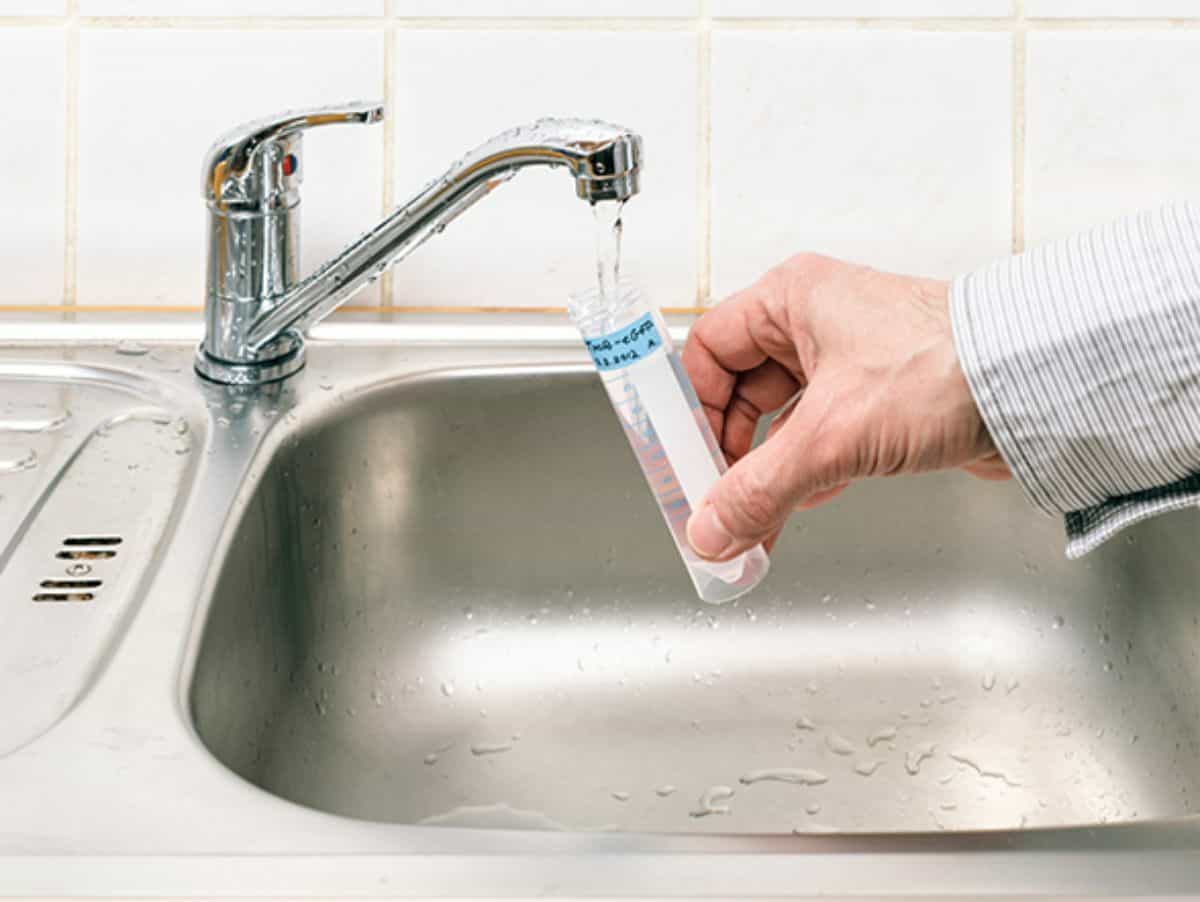
For businesses considering treatment, free commercial water testing can be a useful opportunity to learn more about their water without immediately committing to expensive equipment.
Depending on the testing process, results may provide information about hardness, pH, dissolved minerals, chlorine, iron, or other characteristics. The exact tests needed will depend on the property and its water source.
The important thing is what happens after the test. Numbers are only useful when they help guide a practical decision. A qualified professional can explain what the results mean and whether a treatment system is actually necessary.
Avoiding the Wrong Treatment System
One common mistake businesses make is buying equipment before identifying the problem. It seems reasonable — something is wrong with the water, so install a filter. But water treatment isn’t quite that simple.
A softener is designed primarily to address hardness. A sediment filter serves a different purpose. Carbon filtration can address certain taste and odor concerns, while other technologies are designed for specific water-quality issues.
Without testing, it’s difficult to know which approach makes sense. A business could spend money on equipment that doesn’t solve the original problem.
Testing first creates a much clearer path.
Water Quality and Commercial Equipment
Commercial equipment can be particularly sensitive to water conditions because it often operates for long hours and handles large amounts of water.
Restaurants rely on dishwashers, coffee machines, steam equipment, and ice makers. Hotels use water for guest rooms, laundry, kitchens, and heating systems. Manufacturing facilities may have even more specialized requirements.
Mineral deposits can interfere with heat transfer and water flow. Over time, this may contribute to additional maintenance or reduced performance.
Water treatment won’t prevent every mechanical problem, of course. But addressing known water-quality concerns can be one sensible part of protecting expensive equipment.
Why Testing Shouldn’t Be a One-Time Thought
Water conditions can change. Municipal supplies may experience seasonal differences, private wells can be influenced by environmental conditions, and changes in plumbing or equipment can affect what happens inside a building.
For that reason, testing can be useful as part of an ongoing maintenance strategy rather than something done only after a problem appears.
Businesses don’t necessarily need to test constantly. The appropriate schedule depends on the property, water source, equipment, and previous results. What’s more important is having a reasonable plan and keeping records.
Those records can make future decisions much easier because you can compare current results with older information.
Choosing Water Treatment Solutions Based on Evidence
Once the water has been tested, businesses can start looking at water treatment solutions that match their actual needs.
A property dealing with hard water might consider a commercial softener. A facility experiencing sediment problems may need filtration. A business concerned about drinking-water quality could explore point-of-use treatment.
The goal isn’t to install the most sophisticated system available. It’s to choose equipment that addresses a genuine issue and fits the property’s water demand.
That distinction matters. Bigger and more complicated doesn’t automatically mean better.
Considering Long-Term Costs
The purchase price of treatment equipment is only part of the financial picture. Businesses should also consider installation, maintenance, replacement filters, treatment materials, energy use, water consumption, and servicing.
A system that costs less initially might become more expensive if it requires frequent maintenance or isn’t properly sized for the property’s needs.
Testing can help reduce this risk by giving businesses better information before they invest. In other words, a relatively simple test may help prevent a much more expensive mistake.
Maintenance Keeps Water Treatment Working
Once a treatment system is installed, maintenance still matters. Filters eventually need replacing, softening systems require attention, and other components should be checked according to manufacturer recommendations.
Commercial properties should keep basic service records. Note when filters were changed, when equipment was inspected, and whether water characteristics have changed.
It’s not exciting work, admittedly. But routine maintenance is usually easier to manage than an unexpected equipment failure during a busy business day.
A Smarter Way to Manage Commercial Water
Good water management begins with understanding what you’re dealing with. Testing provides that foundation.
Instead of guessing whether a business needs a softener, filter, or another type of treatment, owners can start with actual information. From there, they can choose equipment based on water conditions, usage patterns, and long-term needs.
For a commercial property, that’s a much more sensible approach than buying equipment simply because it worked somewhere else.
Water may be invisible in the background of daily operations, but its impact is very real. A little testing, thoughtful planning, and regular maintenance can help businesses protect equipment, improve daily operations, and avoid unnecessary expenses. Sometimes the smartest solution really does begin with something as simple as finding out what’s in the water.