Leash Manners Improvement Coaching Scottsdale for Better Walks
Daily walks should feel calm, productive, and enjoyable for both dogs and owners. Yet many families struggle with pulling, lunging, zig-zagging, barking, and distracted behavior that can quickly turn a simple walk into a stressful experience. That is why leash manners improvement coaching Scottsdale has become an important part of responsible dog ownership for many […]
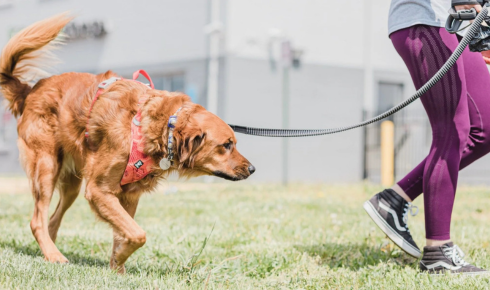
Daily walks should feel calm, productive, and enjoyable for both dogs and owners. Yet many families struggle with pulling, lunging, zig-zagging, barking, and distracted behavior that can quickly turn a simple walk into a stressful experience. That is why leash manners improvement coaching Scottsdale has become an important part of responsible dog ownership for many households seeking better communication and structure.
At Rob’s Dog Training, the focus goes beyond basic obedience commands. Effective leash training creates consistency, strengthens trust, and helps dogs learn how to navigate real-world environments with confidence. Whether owners are managing an energetic puppy or an older dog with established habits, structured coaching can help transform everyday walks into opportunities for learning and connection.
Why Leash Manners Matter More Than Many Owners Realize
Leash behavior affects far more than convenience. Poor leash manners can create safety risks, increase stress levels, and make social outings difficult for both dogs and owners.
Dogs that constantly pull may place strain on their neck, shoulders, and joints. Owners can also experience physical discomfort or injury when managing large or reactive dogs. Beyond physical concerns, chaotic walks often reinforce overstimulation and impulsive behavior.
Strong leash manners contribute to:
- Better focus during distractions
- Safer public interactions
- Reduced reactivity toward dogs or people
- Improved owner confidence
- More enjoyable outdoor experiences
- Stronger communication between the dog and the handler
When dogs understand expectations clearly, they are more likely to remain calm and responsive in different environments.
Understanding the Root Causes of Poor Leash Behavior
Many leash-related problems are not caused by stubbornness. Dogs often pull or react because they have never been taught how to walk calmly under real-life conditions.
Several common factors contribute to leash issues:
Overexcitement
Dogs naturally become stimulated by movement, smells, sounds, and activity outdoors. Without structure, excitement can escalate into pulling and jumping.
Lack of Consistency
If rules change from walk to walk, dogs struggle to understand expectations. Consistent handling is essential for long-term improvement.
Reinforced Pulling
Many dogs unintentionally learn that pulling works because it helps them reach desired destinations faster. Over time, this behavior becomes habitual.
Insufficient Mental Engagement
Walks are not only physical exercise. Dogs also require mental direction and communication during outings.
Environmental Distractions
Busy sidewalks, parks, bicycles, wildlife, and unfamiliar people can overwhelm dogs that lack impulse control or engagement skills.
Professional coaching addresses these root causes instead of only correcting surface behaviors.
The Difference Between Basic Walking and Structured Leash Training
Many owners believe leash training simply means preventing pulling. In reality, effective leash manners involve several behavioral skills working together.
Structured leash coaching often teaches dogs how to:
- Walk beside the handler without tension
- Respond to directional changes
- Maintain focus during distractions
- Pause calmly when needed
- Ignore environmental triggers
- Transition between active and calm states
- Follow consistent walking patterns
This creates smoother communication rather than constant physical correction.
How Leash Manners Improvement Coaching Scottsdale Builds Better Communication
One of the most valuable aspects of leash manners improvement coaching Scottsdale is the emphasis on communication. Dogs learn best when guidance is clear, predictable, and fair.
Professional coaching typically focuses on helping owners understand:
Timing
Correct timing helps dogs connect actions with outcomes. Delayed corrections or rewards can confuse learning.
Body Language
Dogs observe posture, movement, leash pressure, and energy levels closely. Handlers who communicate confidently often see better results.
Marker Systems
Many trainers use verbal markers or reward systems to reinforce desired behavior clearly.
Calm Leadership
Dogs tend to mirror emotional energy. Calm and structured handling can help reduce tension and overstimulation.
When communication improves, leash behavior often improves naturally as well.
Why Real-World Training Environments Matter
Dogs may perform well indoors but struggle once distractions increase outdoors. That is why real-world practice is essential.
Training in parks, sidewalks, neighborhoods, and busy public spaces helps dogs generalize learned behaviors under realistic conditions.
Important real-world distractions may include:
- Passing dogs
- Joggers and bicycles
- Children playing
- Traffic sounds
- Outdoor dining areas
- Crowded walking paths
Exposure combined with structured coaching helps dogs remain responsive even when environments become stimulating.
Common Mistakes That Slow Leash Training Progress
Many dog owners unintentionally reinforce behaviors they are trying to stop. Understanding these mistakes can significantly improve progress.
Inconsistent Rules
Allowing pulling sometimes while correcting it at other times creates confusion.
Excessive Tension on the Leash
Constant leash pressure may increase frustration and resistance.
Moving Too Quickly
Some dogs require gradual exposure to distractions before progressing successfully.
Lack of Follow-Through
Dogs learn through repetition. Skipping practice sessions can slow development.
Focusing Only on Correction
Rewarding calm and engaged behavior is equally important during training.
Coaching programs help owners identify and correct these habits while developing more effective handling techniques.
The Importance of Impulse Control During Walks
Impulse control plays a major role in leash behavior. Dogs that cannot regulate excitement often struggle with pulling, barking, or lunging.
Structured leash coaching may incorporate exercises that improve:
- Patience
- Delayed gratification
- Focus around distractions
- Calm waiting behavior
- Controlled movement transitions
These skills extend far beyond walking sessions and can positively influence behavior throughout daily life.
Building Confidence in Nervous or Reactive Dogs
Not all leash issues stem from excitement. Some dogs pull or react because they feel anxious, uncertain, or overstimulated.
Carefully structured coaching can help nervous dogs gain confidence through:
- Controlled exposure
- Predictable routines
- Positive reinforcement
- Clear communication
- Gradual environmental challenges
Rather than overwhelming the dog, effective programs work at an appropriate pace that encourages steady progress.
Why Owner Education Is Essential
Successful leash training depends heavily on owner involvement. Even highly skilled dogs require consistent guidance from their handlers.
Coaching programs often focus on teaching owners how to:
- Read canine body language
- Identify early signs of overstimulation
- Manage environmental triggers
- Maintain calm handling
- Reinforce desired behaviors consistently
- Build productive walking routines
When owners understand the reasoning behind training methods, results tend to become more sustainable.
Creating Productive Daily Walking Routines
Daily routines strongly influence leash behavior. Structured walks help dogs understand expectations while reducing unpredictability.
Helpful walking habits may include:
- Beginning walks calmly
- Practicing engagement before moving forward
- Changing directions periodically
- Incorporating short focus exercises
- Rewarding calm behavior consistently
- Ending walks in a controlled manner
Routine creates familiarity, which often reduces anxiety and impulsive behavior over time.
Why Early Training Can Prevent Long-Term Problems
Leash manners are easier to develop early, before undesirable habits become deeply established. Puppies that learn structured walking skills early often adapt more easily to public environments later.
However, older dogs can still make meaningful progress with consistent coaching and repetition.
Early leash training helps support:
- Socialization
- Public safety
- Confidence building
- Better household management
- Reduced stress during outings
Investing in foundational training early can prevent larger behavioral challenges from developing later.
The Role of Mental Stimulation During Walks
Walks should not only drain physical energy. Mental engagement is equally important for balanced canine behavior.
Training-focused walks encourage dogs to think, process information, and respond to guidance rather than simply moving forward impulsively.
Mental stimulation may involve:
- Directional changes
- Obedience cues
- Controlled pauses
- Environmental awareness exercises
- Focus-building drills
Dogs that remain mentally engaged during walks often display calmer overall behavior.
Adapting Training for Different Dog Personalities
Every dog learns differently. Breed tendencies, temperament, age, confidence level, and past experiences all influence training progress.
Effective leash manners improvement coaching Scottsdale recognizes these differences and adapts strategies accordingly.
Some dogs require:
- Slower pacing
- More repetition
- Higher engagement rewards
- Increased structure
- Confidence-building exercises
- Reduced environmental pressure
Personalized coaching helps create realistic progress without forcing dogs into methods that do not fit their needs.
Long-Term Benefits of Consistent Leash Coaching
Strong leash manners create benefits that extend well beyond daily walks.
Owners often notice improvements in:
- Household obedience
- Public behavior
- Social interactions
- Stress management
- Recall responsiveness
- Confidence in unfamiliar settings
Dogs that understand structure and communication tend to navigate environments more calmly and predictably.
For many families, improved leash behavior also increases opportunities for outings, travel, exercise, and social activities.
Choosing the Right Training Support
Not all leash training approaches are the same. Effective coaching should focus on clear communication, consistency, practical application, and long-term success rather than temporary compliance.
When evaluating a training program, owners may consider:
- Real-world training experience
- Customized coaching methods
- Emphasis on owner education
- Balanced communication strategies
- Structured progression plans
- Practical everyday applications
Working with experienced professionals can help owners build sustainable habits that continue long after formal sessions end.
Strengthening the Human-Dog Relationship Through Better Walks
Leash training is ultimately about more than control. Calm and structured walks create opportunities for trust, communication, and shared experiences between dogs and their owners.
When dogs understand expectations clearly, daily outings become less stressful and more enjoyable for everyone involved. Through consistency, patience, and structured guidance, leash manners improvement coaching Scottsdale can help transform frustrating walks into productive routines that support long-term behavioral success.
For owners seeking more reliable communication and calmer public behavior, professional coaching through Rob’s Dog Training can provide the structure and support needed to build lasting results.