How to Handle Credit Card Fraud and File a Complaint the Right Way
Credit cards make life convenient—quick payments, rewards, and easy tracking. But that convenience can quickly turn into stress when you notice a transaction you never made. If you’ve ever opened your statement and spotted something suspicious, you’re not alone. Cases of unauthorized charges are rising, and understanding how to deal with them is more important […]
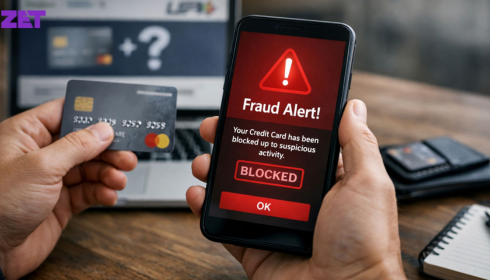
Credit cards make life convenient—quick payments, rewards, and easy tracking. But that convenience can quickly turn into stress when you notice a transaction you never made. If you’ve ever opened your statement and spotted something suspicious, you’re not alone. Cases of unauthorized charges are rising, and understanding how to deal with them is more important than ever.
This guide walks you through what to do when you face credit card fake transaction complaints, and how to file a proper complaint to protect your money and your peace of mind.
Understanding Fake Transactions
A fake or unauthorized transaction happens when someone uses your credit card details without your permission. This could be due to phishing scams, data breaches, skimming devices, or even unsafe online shopping habits.
Sometimes, the amount may be small—just a test transaction. Other times, it can be significant. Either way, ignoring it can lead to bigger losses. The key is to act fast.
First Steps You Should Take Immediately
The moment you notice an unfamiliar charge, don’t delay. Time matters here.
Start by checking your recent purchases carefully. Sometimes, the merchant name may look unfamiliar even though the transaction is legitimate. If you’re sure it’s not yours, contact your bank immediately. Most banks have 24/7 helplines for fraud reporting.
Block your card right away to prevent further misuse. Many banking apps allow instant card blocking with just a tap. It’s a small step, but it can save you from major financial damage.
How to File a Complaint Properly
Filing a proper complaint against credit card fraud is essential to ensure your case gets resolved quickly.
Begin by reporting the issue to your bank through their official channels—customer care, mobile app, or email. Provide all necessary details, including:
- Date and time of the transaction
- Amount deducted
- Merchant name
- Screenshots or statements (if available)
Once reported, your bank will typically register a dispute and provide a complaint or reference number. Keep this safe—it’s your proof of reporting.
In India, you can also escalate unresolved complaints to the Reserve Bank of India (RBI) through their complaint management system if needed.
What Happens After You File a Complaint
After you lodge the complaint, the bank starts an investigation. This process may take anywhere from a few days to a few weeks, depending on the complexity of the case.
In many cases, banks offer “zero liability protection,” meaning you won’t have to pay for fraudulent transactions if you report them within a specified time frame. However, delays in reporting can sometimes lead to partial liability.
During the investigation, your bank may temporarily reverse the amount or put it under review. Stay patient, but keep following up regularly.
Tips to Prevent Future Fraud
While banks provide protection, prevention is always better than cure. Here are a few simple habits that can reduce your risk significantly:
- Avoid saving card details on unknown websites
- Use secure networks while making payments
- Enable transaction alerts via SMS or email
- Regularly check your statements
- Never share OTPs or CVV numbers with anyone
Being cautious online can save you from unnecessary trouble later.
Final Thoughts
Facing a fraudulent transaction can feel overwhelming at first. There’s confusion, frustration, and sometimes even panic. But the truth is—if you act quickly and follow the right steps, you can handle the situation effectively.
Understanding the process of reporting fraud, filing a complaint, and staying proactive with your card usage can make a huge difference. Think of it not just as damage control, but as building a habit of financial awareness.
Because at the end of the day, your money deserves that extra layer of protection.