Category: Medical

  • When Surgery Feels Like a Big Step: Understanding Abdominal Wall Care in a More Human Way

    When Surgery Feels Like a Big Step: Understanding Abdominal Wall Care in a More Human Way

    There’s a moment that catches people off guard. Not when something first feels wrong—but when it doesn’t go away. That lingering discomfort, that visible change in your body, that quiet thought in the back of your mind that says, this might need attention.

    And then, eventually, someone mentions surgery.

    It’s not a word most of us take lightly. It carries weight. Questions. A bit of uncertainty.

    But what I’ve come to realize is this: the way we think about surgery hasn’t quite caught up with how much it has actually evolved.

    Understanding What’s Really Happening

    Let’s start with something simple. When doctors talk about abdominal wall issues—whether it’s a hernia or a more complex structural problem—they’re really talking about strength, stability, and support.

    The abdominal wall isn’t just a layer of muscle. It’s what holds everything in place, what helps you move, lift, even breathe properly.

    So when that structure weakens, the effects can show up in ways that feel surprisingly disruptive.

    That’s where abdominal wall reconstruction info becomes important. It’s not just about repairing a defect—it’s about restoring function. Rebuilding strength in a way that supports your body long-term.

    And while the term might sound intense, the goal is actually quite straightforward: help your body work the way it’s supposed to again.

    Why Information Changes Everything

    One of the biggest shifts in modern healthcare isn’t just in the procedures—it’s in how information is shared.

    There was a time when patients were simply told what needed to be done. Now, there’s a much stronger emphasis on patient education, and it shows.

    Doctors take time to explain what’s happening, why it’s happening, and what your options are. You’re encouraged to ask questions, to understand the process, to feel comfortable with the decisions being made.

    And that matters more than people realize.

    Because when you understand something, it becomes less intimidating. You’re not just facing a procedure—you’re navigating a plan.

    When Things Get More Complex

    Not all abdominal issues are straightforward.

    Some cases involve previous surgeries, recurring hernias, or more significant structural damage. These situations require a more detailed approach, one that goes beyond simple repair.

    This is where having expert surgical guidance becomes essential.

    It’s not just about performing the procedure—it’s about planning it carefully. Choosing the right technique, anticipating challenges, and adapting as needed.

    Experience plays a huge role here. And when you’re working with someone who has that experience, you can feel it. There’s a sense of confidence, of clarity, that makes the entire process feel more manageable.

    The Experience Isn’t What You Might Expect

    If you’re imagining surgery as a stressful, chaotic experience, it might help to update that picture.

    Modern care is surprisingly structured.

    There’s a clear path—from consultation to procedure to recovery. You’re not left wondering what comes next. Instead, you’re guided through each step, with explanations that actually make sense.

    It’s not just about the technical side of things—it’s about how the experience feels.

    And for many patients, that structure brings a sense of calm.

    Recovery Has Changed Too

    Recovery is often the part people worry about the most. How long will it take? What will it feel like? When can I get back to normal?

    The answers vary, of course. Every case is different.

    But what’s changed is how recovery is approached.

    It’s no longer just about resting and waiting. There’s guidance—on movement, on activity, on what to expect at each stage. Patients are often encouraged to start moving sooner, within safe limits, to support healing.

    It’s a more active process, and that makes it feel less overwhelming.

    The Emotional Side of It All

    This part doesn’t always get enough attention, but it’s important.

    Facing surgery can bring up a mix of emotions—uncertainty, concern, even a bit of fear. And that’s completely normal.

    What’s encouraging is that healthcare providers are becoming more aware of this. There’s more emphasis on communication, on making sure patients feel heard and supported.

    Because healing isn’t just physical—it’s emotional too.

    Taking the Time to Decide

    One of the most empowering things you can do is give yourself time.

    You don’t have to rush into a decision. You can ask questions, seek second opinions, and take the time to understand your options.

    And that’s important.

    Because when you feel confident in your decision, everything else becomes a little easier to handle.

    A Shift in Perspective

    What’s interesting about all of this is how it’s changing the way people think about surgery.

    It’s no longer something that feels as distant or intimidating as it once did. There’s more clarity, more support, and a stronger focus on the patient experience.

    And that shift makes it easier to take action when it’s needed.

    Because when something feels manageable, it feels possible.

    Final Thoughts

    Abdominal wall issues can be challenging, both physically and emotionally. But the way they’re treated today is far more advanced—and far more supportive—than many people expect.

    If you’re dealing with symptoms or considering treatment, don’t hesitate to learn more, ask questions, and explore your options.

    Because understanding what’s happening—and what can be done about it—doesn’t just help you make better decisions.

    It helps you feel a little more in control.

    And sometimes, that’s exactly what you need to take the next step forward.

  • Comprehensive Occupational Health Services for a Healthier Workforce

    Comprehensive Occupational Health Services for a Healthier Workforce

    Occupational health services are essential for promoting and maintaining the physical, mental, and social well-being of workers in all occupations. A comprehensive occupational health program not only improves employee health but also enhances productivity, reduces absenteeism, and creates a safer work environment. This article explores the key components of comprehensive occupational health services, their benefits, and strategies for implementation to ensure a healthier workforce.

    Key Components of Comprehensive Occupational Health Services

    1. Health Risk Assessments

    Health risk assessments (HRAs) are crucial for identifying potential health risks and implementing preventive measures. Key aspects include:

    • Pre-Employment Screenings: Assessing the health status of potential employees to ensure they are fit for the job.
    • Periodic Health Examinations: Regular health check-ups to monitor employees’ health and detect early signs of work-related illnesses.
    • Lifestyle and Wellness Assessments: Evaluating lifestyle factors such as diet, exercise, and stress levels that impact overall health.

    2. Workplace Safety Programs

    Creating a safe work environment is a fundamental aspect of occupational health services. Effective workplace safety programs include:

    • Hazard Identification and Risk Assessment (HIRA): Identifying potential hazards and assessing risks associated with workplace activities.
    • Safety Training and Education: Providing employees with training on safe work practices, emergency procedures, and the use of personal protective equipment (PPE).
    • Ergonomics: Designing workstations and tasks to reduce physical strain and prevent musculoskeletal disorders.

    3. Occupational Health Surveillance

    Occupational health surveillance involves the systematic collection, analysis, and dissemination of health data to monitor and prevent work-related illnesses. Key components include:

    • Exposure Monitoring: Measuring exposure to hazardous substances, such as chemicals, noise, and radiation.
    • Health Monitoring: Conducting regular health checks for employees exposed to occupational hazards to detect any adverse health effects early.
    • Data Analysis and Reporting: Analyzing health data to identify trends and implement corrective actions.

    4. Mental Health Support

    Supporting mental health in the workplace is essential for overall well-being and productivity. Comprehensive mental health support services include:

    • Employee Assistance Programs (EAPs): Providing confidential counseling and support for employees facing personal or work-related issues.
    • Stress Management Programs: Offering workshops and resources to help employees manage stress effectively.
    • Mental Health Awareness: Promoting awareness and reducing the stigma associated with mental health issues through education and communication.

    5. Health Promotion and Wellness Programs

    Health promotion and wellness programs encourage employees to adopt healthier lifestyles and behaviors. Key initiatives include:

    • Fitness Programs: Providing access to fitness facilities, exercise classes, and wellness challenges.
    • Nutritional Support: Offering healthy food options in the workplace and providing nutritional education and counseling.
    • Smoking Cessation Programs: Supporting employees who wish to quit smoking through counseling, resources, and incentives.

    6. Occupational Health Services for Chronic Disease Management

    Managing chronic diseases in the workplace is crucial for maintaining employee health and productivity. Comprehensive services include:

    • Disease Management Programs: Providing support and resources for employees with chronic conditions, such as diabetes, hypertension, and asthma.
    • Regular Monitoring and Follow-Up: Conducting regular health checks and follow-ups to manage chronic conditions effectively.
    • Workplace Accommodations: Making necessary adjustments to workstations and tasks to accommodate employees with chronic diseases.

    7. Return-to-Work Programs

    Return-to-work programs support employees returning to work after illness or injury. Key elements include:

    • Rehabilitation and Physical Therapy: Providing rehabilitation services to help employees recover and regain their strength and mobility.
    • Workplace Adjustments: Modifying work tasks and environments to facilitate a smooth transition back to work.
    • Gradual Return-to-Work Plans: Implementing phased return-to-work plans to allow employees to gradually increase their workload as they recover.

    Benefits of Comprehensive Occupational Health Services

    1. Improved Employee Health and Well-Being

    Comprehensive occupational health services promote better health outcomes by:

    • Preventing Illness and Injury: Implementing preventive measures to reduce the risk of work-related illnesses and injuries.
    • Early Detection and Intervention: Identifying health issues early and providing timely interventions to prevent complications.
    • Supporting Mental Health: Addressing mental health issues and providing support to enhance overall well-being.

    2. Increased Productivity and Performance

    Healthy employees are more productive and perform better. Benefits include:

    • Reduced Absenteeism: Decreasing the number of sick days and absenteeism through effective health management.
    • Enhanced Focus and Energy: Improving employees’ physical and mental health, leading to better focus and energy levels.
    • Higher Job Satisfaction: Creating a positive work environment that promotes health and well-being, leading to higher job satisfaction and retention.

    3. Cost Savings for Employers

    Investing in occupational health services can lead to significant cost savings by:

    • Reducing Healthcare Costs: Lowering healthcare expenses through preventive care and early intervention.
    • Decreasing Workers’ Compensation Claims: Reducing the number and severity of workers’ compensation claims by preventing workplace injuries.
    • Enhancing Employee Retention: Reducing turnover costs by creating a healthy and supportive work environment.

    4. Compliance with Regulations

    Comprehensive occupational health services help employers comply with health and safety regulations, including:

    • Occupational Safety and Health Administration (OSHA): Meeting OSHA standards for workplace safety and health.
    • Health and Safety Executive (HSE): Adhering to HSE guidelines for risk assessment and hazard management.
    • Industry-Specific Regulations: Complying with specific regulations relevant to particular industries, such as construction, manufacturing, and healthcare.

    Strategies for Implementing Occupational Health Services

    1. Assessing Workplace Needs

    Conducting a thorough assessment of workplace health needs is the first step in implementing effective occupational health services. Steps include:

    • Health Risk Assessments (HRAs): Identifying health risks and needs through surveys, interviews, and data analysis.
    • Workplace Audits: Conducting audits to identify potential hazards and areas for improvement.
    • Employee Feedback: Gathering feedback from employees to understand their health concerns and needs.

    2. Developing a Comprehensive Health Program

    Creating a comprehensive occupational health program involves:

    • Defining Objectives: Establishing clear objectives and goals for the health program.
    • Designing Services: Developing a range of services that address the identified health needs and risks.
    • Allocating Resources: Allocating sufficient resources, including budget, personnel, and equipment, to support the program.

    3. Engaging Stakeholders

    Engaging key stakeholders is essential for the successful implementation of occupational health services. This includes:

    • Management Support: Securing support from senior management to prioritize employee health and allocate necessary resources.
    • Employee Involvement: Involving employees in the design and implementation of health programs to ensure they meet their needs and gain their buy-in.
    • Collaboration with Health Providers: Partnering with healthcare providers, such as occupational health physicians, physiotherapists, and mental health counselors.

    4. Monitoring and Evaluating Effectiveness

    Regular monitoring and evaluation are crucial for ensuring the effectiveness of occupational health services. Strategies include:

    • Data Collection: Collecting data on health outcomes, employee participation, and program usage.
    • Performance Metrics: Establishing key performance indicators (KPIs) to measure the success of the program.
    • Continuous Improvement: Using feedback and data analysis to make necessary adjustments and improvements to the health program.

    5. Promoting a Health Culture

    Creating a culture of health within the organization supports the sustainability of occupational health services. Initiatives include:

    • Leadership Commitment: Demonstrating a commitment to health and well-being from top leadership.
    • Health Communication: Regularly communicating the importance of health and wellness to employees through newsletters, posters, and meetings.
    • Health Champions: Identifying and training health champions within the organization to promote and support health initiatives.

    Future Directions in Occupational Health

    1. Integration of Digital Health Technologies

    Digital health technologies are transforming occupational health services. Future trends include:

    • Telehealth Services: Expanding access to occupational health consultations and support through telehealth platforms.
    • Wearable Devices: Using wearable devices to monitor employee health metrics and provide real-time feedback.
    • Health Apps: Developing mobile apps that offer health tips, track wellness goals, and provide resources for managing chronic conditions.

    2. Personalized Health Programs

    Personalized health programs tailored to individual employee needs and preferences will become increasingly important. Innovations include:

    • Genetic Screening: Offering genetic screening to identify predispositions to certain health conditions and provide personalized preventive care.
    • Customized Wellness Plans: Creating individualized wellness plans based on health assessments, lifestyle factors, and personal goals.
    • Behavioral Insights: Using data analytics to understand employee behaviors and develop targeted interventions to promote healthier choices.

    3. Holistic Approaches to Health

    Adopting holistic approaches to health that address physical, mental, and social well-being will enhance occupational health services. Key initiatives include:

    • Mindfulness and Resilience Training: Providing training on mindfulness and resilience to help employees manage stress and improve mental health.
    • Social Well-Being Programs: Promoting social connections and support networks within the workplace to enhance overall well-being.
    • Environmental Health: Creating healthy work environments that promote well-being through natural light, ergonomic design, and green spaces.

    4. Global Occupational Health Standards

    Developing and implementing global occupational health standards will ensure consistency and quality in health services across different regions. Future directions include:

    • International Collaboration: Collaborating with international organizations to develop and promote global occupational health standards.
    • Standardized Protocols: Establishing standardized protocols and best practices for occupational health services worldwide.
    • Global Health Metrics: Developing global health metrics to measure and compare occupational health outcomes across countries and industries.

    Comprehensive occupational health services are essential for promoting a healthier workforce, improving productivity, and ensuring workplace safety. By implementing key components such as health risk assessments, workplace safety programs, mental health support, and health promotion initiatives, employers can create a positive and supportive work environment. Future trends in digital health, personalized programs, holistic approaches, and global standards will further enhance occupational health services. Investing in the well-being of employees is not only a moral imperative but also a strategic advantage that leads to a more productive, engaged, and satisfied workforce.

  • Effectiveness Of Minimally Non-Invasive Lower Back Pain Treatments

    Effectiveness Of Minimally Non-Invasive Lower Back Pain Treatments

    Lower back pain is one of the most common issues people suffer from, and the symptoms and causes may vary from person to person. Nearly four out of five people suffer from this disease, and hence, it has become a common reason for people to visit their healthcare provider, seeking the best lower back pain treatment.

    Many people do not consider it a serious issue that results in more complications. It is a common problem, but ignoring the symptoms can worsen it. Pain, stiffness, and muscle spasms can lead to more complicated situations, resulting in trouble completing daily chores and discomfort.

    Fortunately, numerous non-invasive lower back pain treatments can help you at an early stage to reduce the severity of the condition. In this post, we will discuss the various non-invasive and minimally invasive lower back pain treatment options that can help alleviate the pain and discomfort.

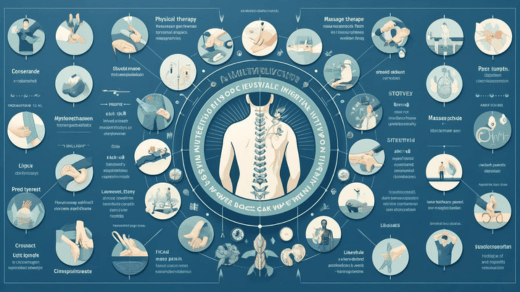
    Physical Therapy

    In treating chronic lower back pain, physical therapy has proven to be one of the most effective treatment methods. It is also the first option that every healthcare provider recommends to their patients to relieve pain. Not all back pain is the same, and hence, it is essential to understand the causes and symptoms before starting physical therapy. Choose the exercises that are more effective in alleviating your symptoms. Some general exercises include stretching, walking, swimming, core strengthening exercises, and practicing mindfulness techniques.

    Lifestyle Modifications

    Keep a journal and identify the routines that are causing your lower back pain. Understanding your bad habits and making simple lifestyle changes can help relieve pain. For example, indulging in activities like gardening and bending for hours puts a strain on your back. Listen to your body and avoid activities that can cause more pain. Also, quit smoking and maintain good body posture, as such habits can delay the healing process.

    Dietary Changes

    Some foods, like trans fat and processed food, can increase inflammation and impact your lower back pain. Also, being fat or obese puts more pressure on the back, resulting in increased back pain issues. Eat healthy to maintain a healthy weight and reduce the problem of back pain.

    Medications

    Certain medications can provide temporary relief to your lower back pain. However, many of them are addictive and should not be taken without consulting your healthcare provider.

    Injection Treatments

    There are injection-based treatments, such as nerve ablations, nerve blocks, and epidural steroid injections, that can help relieve pain. But they provide temporary relief.

    Back Braces

    Using back braces during lower back pain treatment helps provide extra support to the spine and enhances the healing process. It reduces strain on the spine and removes excess weight on your back to maintain proper alignment.

    Alternative Treatments

    Other than these treatments, various other non-surgical treatments can help relieve your pain. Some of those treatments include acupuncture, biofeedback therapy, and electrical nerve simulation.

    The Final Words

    For more information on 100% non-surgical lower back pain treatment, book an appointment with the spine specialists of top healthcare centers like ANSSI Wellness and get assured guidance. Get a customized plan according to your symptoms and avoid the risks linked with surgery or Anesthesia.

  • Clinical Trials for Mental Disease

    Clinical Trials for Mental Disease

    Clinical trials for mental disorders play a crucial role in advancing our understanding and treatment options for conditions like depression, anxiety, and schizophrenia. Unlike other trials which focus on physical diseases and disorders, the clinical trials for mental disorders have different structures.

    With the new guidelines, different medicines, different sets of patients, and different locations for clinical trials, the researchers adopt a new approach to completing them. If you are curious about the clinical trials for mental disorders, you are at the right place.

    #1 – Designing the Trial

    Before a trial begins, the researchers must carefully design the methodology. This includes drafting the blueprint, drafting the ethical considerations, drafting the entire process, and many other things. The researchers have to consider everything to make these trials efficient. Once the authorities approve everything, the researchers can move forward with recruiting the participants.

    Recruitment of participants is a crucial step in clinical trials. Researchers often collaborate with healthcare providers to identify potential participants who meet the study criteria. Afterward, the researchers tell the participants about the trial and explain the side effects, benefits, and many other things. After the researchers provide informed consent, the trial begins.

    You might like this:

    #2 – Conducting the Trial

    During the trial, participants receive the actual treatment. The researchers may also divide the participants into various groups and provide standard treatment, innovative treatment, and placebo to different groups.

    The medicines are administered according to the protocol, and participants are closely monitored for any changes in their condition or adverse effects. During all these steps, the researchers collect data on patient demographics, lifestyle, and vital statistics about their bodies.

    After that, the researchers used big data and AI tools to analyze all the data and reach a conclusion. This is helpful, as they must send it to the medical authorities to get the final nod on the trial medicine. Once it’s provided, the trial is complete, and medicines or treatment options are ready for the public.

    Ethical Considerations for Mentally Ill Patients

    Unlike other physical conditions, Psychological conditions require a slightly different approach. With the strict ethical considerations for mentally ill patients, the researchers have to take a lot of care. Fortunately, the ethical rules are very well in favor of the patients; hence, they receive the best treatment without being exploited and while helping humanity.

    Final Words

    Conducting clinical trials for mental disorders is a stringent process that requires careful planning, ethical considerations, and collaboration among researchers, healthcare providers, and participants. Following these stringent processes makes it easier for researchers to conduct the trials and provide the world with effective medicine.

  • Finding the Best Oncologist in Bangalore – A Comprehensive Guide

    Finding the Best Oncologist in Bangalore – A Comprehensive Guide

    If you or a loved one is facing a diagnosis of cancer, finding the right oncologist is crucial. In Bangalore, the bustling metropolis of India, there are numerous options to consider when seeking medical care for cancer treatment. Among the plethora of choices, Apollohospitals stands out as a beacon of excellence in the field of oncology.

    1. The Importance of Choosing the Right Oncologist

    Selecting the best oncologist can significantly impact your treatment journey and overall prognosis. With the right specialist by your side, you can navigate the complexities of cancer care with confidence and assurance.

    2. Understanding Oncology

    Oncology is the branch of medicine dedicated to the diagnosis, treatment, and prevention of cancer. Oncologists are medical professionals specializing in this field, equipped with the knowledge and expertise to provide comprehensive care to cancer patients.

    3. What Sets Apollohospitals Apart

    Apollohospitals is renowned for its commitment to excellence in healthcare. With state-of-the-art facilities and a team of highly skilled professionals, including some of the best oncologist in bangalore, the hospital ensures world-class treatment and compassionate care for patients battling cancer.

    4. Qualities of a Good Oncologist

    When seeking an oncologist, it’s essential to look for certain qualities that distinguish a good oncologist from the rest. These include expertise, experience, compassion, communication skills, and a patient-centered approach.

    5. The Role of a Medical Oncologist

    Medical oncologists are specialists who focus on the systemic treatment of cancer using chemotherapy, targeted therapy, immunotherapy, and other medications. They play a pivotal role in developing personalized treatment plans tailored to each patient’s unique needs.

    6. Comprehensive Cancer Care at Apollohospitals

    At Apollohospitals, patients receive comprehensive cancer care encompassing diagnosis, treatment, and supportive services. The hospital’s multidisciplinary approach ensures that every aspect of the patient’s journey is carefully managed by a team of experts.

    7. State-of-the-Art Facilities

    Apollohospitals is equipped with advanced technology and infrastructure to deliver cutting-edge cancer treatment. From diagnostic imaging to precision radiation therapy, the hospital offers a full spectrum of services to meet the needs of cancer patients.

    8. Personalized Treatment Plans

    Each patient at Apollohospitals receives a personalized treatment plan tailored to their specific diagnosis, stage of cancer, and overall health condition. The oncology team collaborates closely with other specialists to ensure the best possible outcomes for every patient.

    9. Emphasis on Research and Innovation

    Apollohospitals is committed to advancing the field of oncology through research and innovation. The hospital actively participates in clinical trials and research studies to explore new treatment modalities and improve existing therapies.

    10. Supportive Care Services

    In addition to medical treatment, Apollohospitals provides a range of supportive care services to help patients cope with the physical, emotional, and practical challenges of cancer. These include pain management, nutritional support, counseling, and survivorship programs.

    11. Accessibility and Convenience

    Located in the heart of Bangalore, Apollohospitals offers easy accessibility and convenience for patients and their families. The hospital’s central location, along with its comprehensive amenities, ensures a comfortable and stress-free experience for everyone involved.

    12. Patient-Centered Approach

    At Apollohospitals, patient satisfaction and well-being are top priorities. The hospital’s patient-centered approach ensures that every individual receives personalized attention and care throughout their cancer journey.

    13. Collaboration with Leading Oncologists

    Apollohospitals collaborates with some of the oncology specialist in bangalore and beyond to deliver exceptional cancer care. The hospital’s team includes renowned experts in various subspecialties of oncology, ensuring comprehensive expertise for every patient.

    14. Commitment to Excellence

    With a legacy of excellence spanning decades, Apollohospitals has earned the trust and respect of patients and healthcare professionals alike. The hospital’s unwavering commitment to quality and patient safety sets it apart as a leader in the field of oncology.

    15. Continuum of Care

    From diagnosis to survivorship, Apollohospitals offers a continuum of care to support patients at every stage of their cancer journey. The hospital’s integrated approach ensures seamless transitions between different phases of treatment and beyond.

    16. Access to Support Groups

    Apollohospitals provides access to support groups and resources for patients and their families. These groups offer emotional support, practical advice, and a sense of community for individuals affected by cancer.

    17. Empowering Patients with Knowledge

    Education is a cornerstone of cancer care at Apollohospitals. The hospital empowers patients with knowledge about their condition, treatment options, and self-care strategies, enabling them to make informed decisions about their health.

    18. Holistic Healing Approach

    In addition to conventional medical treatments, Apollohospitals embraces a holistic healing approach that addresses the physical, emotional, and spiritual aspects of cancer care. This comprehensive approach enhances the overall well-being of patients and fosters healing on multiple levels.

    19. Recognition and Awards

    Apollohospitals has received numerous accolades and awards for its excellence in oncology and healthcare delivery. These recognitions underscore the hospital’s commitment to quality, innovation, and patient-centric care.

    20. Community Outreach Programs

    As part of its commitment to the community, Apollohospitals conducts outreach programs and awareness campaigns to promote cancer prevention, early detection, and access to care. These initiatives aim to reduce the burden of cancer and improve outcomes for all.

    21. Compassionate Caregivers

    At Apollohospitals, compassionate caregivers provide support and comfort to patients and their families throughout their cancer journey. The hospital’s team members are dedicated to ensuring that every individual feels valued, respected, and cared for.

    22. Empathy and Understanding

    Apollohospitals fosters a culture of empathy and understanding, recognizing the emotional toll that cancer can take on patients and their loved ones. The hospital’s staff members are trained to provide sensitive and compassionate care to everyone they serve.

    23. Commitment to Diversity and Inclusion

    Apollohospitals values diversity and inclusion, welcoming patients from all backgrounds and walks of life. The hospital’s inclusive environment ensures that every individual receives equitable access to high-quality cancer care.

    24. Looking Towards the Future

    As the field of oncology continues to evolve, Apollohospitals remains at the forefront of innovation and progress. The hospital’s ongoing commitment to research, education, and excellence ensures that it will continue to provide world-class cancer care for years to come.

    25. Choosing Apollohospitals for Your Cancer Care Needs

    When it comes to cancer care in Bangalore, Apollohospitals stands out as a beacon of hope and healing. With its team of best oncologists in Bangalore and comprehensive range of services, the hospital offers patients the highest standard of care and support throughout their cancer journey. If you or a loved one is facing a cancer diagnosis, consider entrusting your care to Apollohospitals, where healing begins with compassion, expertise, and innovation.