Obesity is a growing global health crisis affecting both adults and children. It leads to serious health risks such as diabetes, heart disease, and high blood pressure. Understanding the definition of obesity, its causes, and available weight loss programs can help individuals take control of their health and work towards a healthier lifestyle.
What is Obesity?
Obesity is a condition characterized by excessive body fat accumulation, which negatively impacts health. It is typically measured using the Body Mass Index (BMI), where a BMI of 30 or higher is classified as obese. However, other assessments, such as body fat percentage and waist circumference, provide a more accurate measurement.
What Causes Obesity?
Obesity is a result of various factors, including lifestyle choices, genetics, and environmental influences. Below are some of the key contributors:
1. Poor Diet and Overeating
A diet high in processed foods, sugary beverages, and unhealthy fats contributes significantly to weight gain. what causes obesity Consuming more calories than the body burns leads to fat accumulation over time.
2. Lack of Physical Activity
A sedentary lifestyle is one of the leading causes of obesity. With more people working desk jobs and spending excessive time on screens, calorie expenditure is reduced, leading to weight gain.
3. Genetic and Hormonal Factors
Some individuals are genetically predisposed to store more fat or have a slower metabolism. Additionally, hormonal imbalances, such as thyroid disorders and insulin resistance, can contribute to obesity.
4. Emotional and Psychological Factors
Stress, depression, and emotional eating can lead to unhealthy food choices and overeating. Many people turn to food for comfort, which leads to excess calorie consumption.
5. Medical Conditions and Medications
Certain medical conditions, such as polycystic ovary syndrome (PCOS) and hypothyroidism, can lead to weight gain. Additionally, medications like antidepressants and steroids may contribute to obesity.
6. Environmental and Social Influences
Lack of access to healthy food options, cultural eating habits, and limited opportunities for physical activity in some communities can contribute to rising obesity rates.
The Growing Concern of Childhood Obesity
childhood obesity has become a serious concern worldwide. It increases the risk of developing chronic illnesses like type 2 diabetes, high cholesterol, and joint problems at an early age. Beyond physical health issues, overweight children may experience bullying, low self-esteem, and mental health struggles.
Ways to Prevent Childhood Obesity
Encouraging Healthy Eating Habits – Provide nutritious meals rich in fruits, vegetables, and lean proteins.
Promoting Physical Activity – Kids should engage in at least 60 minutes of exercise daily, such as playing outside or participating in sports.
Reducing Screen Time – Excessive screen time contributes to inactivity, making it essential to limit hours spent on devices.
Teaching Portion Control – Educating children about appropriate portion sizes prevents overeating.
Ensuring Proper Sleep – Sleep deprivation can lead to hormonal imbalances that increase hunger and weight gain.
Effective Weight Loss Programs
Losing weight requires a sustainable and healthy approach. The best programs focus on long-term lifestyle changes rather than quick fixes.
1. Balanced Diet Plans
A well-structured diet plan focuses on reducing unhealthy fats and sugar while increasing protein, fiber, and essential nutrients.
2. Intermittent Fasting
This eating pattern alternates between periods of eating and fasting, helping to regulate metabolism and calorie intake.
3. Exercise Programs
Regular physical activity is crucial for weight loss. Combining cardio workouts, strength training, and flexibility exercises can enhance overall fitness.
4. Behavioral Therapy and Support Groups
Psychological support plays a key role in weight loss. Therapy and counseling help individuals address emotional eating and build better habits.
5. Medical Weight Loss Treatments
In some cases, medical interventions such as prescription weight-loss drugs or bariatric surgery may be recommended for individuals with severe obesity.
Long-Term Lifestyle Changes for Weight Management
Eat a Nutritious Diet – Focus on whole, nutrient-dense foods rather than processed and sugary items.
Stay Active – Aim for at least 150 minutes of moderate-intensity exercise per week.
Drink Plenty of Water – Staying hydrated helps with digestion and metabolism.
Manage Stress – Techniques like meditation and yoga can prevent stress-related overeating.
Get Enough Sleep – Poor sleep patterns can lead to weight gain due to hormonal imbalances.
Set Realistic Goals – Avoid extreme dieting and focus on gradual, sustainable progress.
Conclusion
Obesity is a complex condition that requires a multifaceted approach for effective management. Understanding its causes and implementing sustainable weight loss programs can help individuals achieve a healthier lifestyle. By making informed choices, staying active, and focusing on long-term well-being, it is possible to combat obesity and its associated health risks.
Did you know nearly 80% of women get stress headaches during menopause? This shows we really need good home remedies for these headaches. As you go through this big change, it’s key to focus on stress relief. Natural ways to ease headache symptoms can really help.
Key Takeaways
Stress headaches are common during menopause, affecting nearly 80% of women.
Stress relief is key during menopause to ease headache symptoms.
Natural solutions, like herbal supplements and aromatherapy, can cut down on headaches.
Regular exercise, staying hydrated, and eating right can also stop headaches.
Keeping a food journal and finding out what foods trigger headaches can help manage them.
Relaxation techniques, such as deep belly breathing and guided meditations, can lessen stress and anxiety.
Understanding the Link Between Menopause and Stress Headaches
Menopause is a big change for women. It can affect their health in many ways. Hormonal changes during this time can cause stress headaches. Women may get more headaches, including migraines, as estrogen levels change.
Studies show that menopause symptoms like hot flashes and mood swings can lead to headaches. The drop in estrogen also triggers headaches. So, it’s key to know how menopause and stress headaches are connected.
Hormonal Changes and Their Impact
Hormonal shifts in menopause can make headaches worse. Estrogen withdrawal often causes headaches. Some women find relief after menopause when hormone levels even out.
Why Stress Headaches Increase During Menopause
Stress headaches can get worse during menopause because of big hormonal changes. Women may feel more stressed, anxious, and have mood swings. These feelings can lead to stress headaches.
Common Triggers During Menopausal Phase
Stress headaches in menopause often come from hormonal shifts, stress, and anxiety. Women can manage these triggers. They can try relaxation techniques, exercise, and eat healthy.
Signs and Symptoms of Menopausal Stress Headaches
As you go through menopausal symptoms, you might feel more stress headache symptoms. These headaches come from hormonal shifts, stress, and other things. A drop in estrogen can cause headaches, like migraines and tension headaches.
Some common signs and symptoms of menopausal stress headaches include:
Tension and anxiety
Mood changes
Pain on one or both sides of the head
Sensitivity to light and sound
It’s key to know these symptoms to handle your headaches well. By understanding the connection between menopausal and stress headache symptoms, you can lessen your headache frequency and severity.
Remember, making lifestyle changes can help. Stay hydrated, cut down on caffeine, and get good sleep. If your headaches keep coming back or get worse, talk to your doctor for help.
Essential Home Remedies for Stress Headaches During Menopause
Women often get stress headaches during menopause because of hormone changes. Luckily, there are natural pain relief and home remedies for stress relief to help. Keeping a regular sleep schedule and using relaxation methods like deep breathing or meditation are good starts.
Some supplements, like magnesium and riboflavin, can also help. For example, 400 mg of riboflavin a day can cut down on migraine frequency. Also, using essential oils like peppermint and lavender on your temples can quickly ease headache pain.
Other home remedies for stress relief include drinking lots of water and exercising often. Avoiding things that trigger headaches or stress is also key. By adding these natural pain relief steps to your day, you can better handle stress headaches during menopause and feel better overall.
Remedy
Description
Magnesium
Taken at 300-600 mg daily to prevent headaches
Riboflavin
Taken at 400 mg daily to reduce migraine frequency
Essential Oils
Applied to temples to alleviate headache symptoms
Aromatherapy Techniques for Headache Relief
Aromatherapy is a natural way to ease stress headaches. It uses essential oils to reduce pain. Peppermint, rosemary, lavender, German blue chamomile, and Australian blue gum eucalyptus are great for headaches.
When using essential oils, mix them with a carrier oil first. This prevents skin irritation. Use 5 drops of essential oil with 1 ounce of carrier oil. Apply it to your forehead, ears, neck, and temples.
Use high-quality essential oils from reputable brands like Eden Botanicals.
Perform a patch test before using a new essential oil to check for allergic reactions.
Keep essential oils out of reach of children and pets.
Adding aromatherapy to your self-care can help with stress headaches. It also boosts your overall health. Always talk to a doctor if your headaches are often or very bad.
Hydration and Dietary Changes to Prevent Headaches
Staying hydrated is key to avoiding headaches. Dehydration can cause headaches, which happens when we lose water. This can happen during hard exercise or on very hot days. Drinking plenty of water can help make headaches better. Also, changing what we eat can help prevent headaches.
Skipping meals, like breakfast, can make migraines worse. This shows how important it is to eat regularly.
To avoid dehydration headaches, carry a water bottle with you. Avoid sugary drinks and don’t drink too much caffeine or alcohol. Eating foods rich in omega-3 fatty acids can also help. A healthy diet and staying hydrated can make headaches less frequent and less severe.
Here are some tips for making dietary changes to prevent headaches:
Eat regular meals to avoid skipping meals.
Include foods rich in omega-3 fatty acids in your diet.
Stay hydrated by drinking plenty of water.
Limit caffeine and alcohol intake.
Dietary Change
Benefit
Eating regular meals
Reduces migraine frequency
Including omega-3 fatty acids in diet
Improves migraine frequency
Staying hydrated
Alleviates headache symptoms
Stress Reduction Techniques and Mindfulness Practices
Dealing with menopause can be tough. Adding stress-reduction techniques and mindfulness to your day can help a lot. These methods not only ease stress but also boost your health.
Mindfulness, like meditation, can cut headache severity by 40%. Progressive muscle relaxation also helps by easing muscle tension. This can make headaches 20% less intense.
Meditation Exercises
Meditation is about focusing, breathing deeply, and finding quiet. It brings calm and peace. It can lower heart rate and blood pressure and improve sleep and creativity.
Breathing Techniques
Deep breathing can reduce stress symptoms like tension headaches by 5%. Mindfulness breathing exercises also help lower stress. People see a 15% drop in daily stress.
Progressive Muscle Relaxation
This method involves tensing and relaxing muscles. It helps release tension. By using these techniques, you can handle stress headaches better and live a fuller life.
Physical Activities That Help Alleviate Headache Pain
Doing physical activities for headache relief can really help. Exercise, like cardio, can lower stress and anxiety. The American College of Sports Medicine says to do 150 minutes of activity a week.
Yoga is also great. It makes your body more flexible and helps your posture. Stretching and deep breathing can also ease muscle tension and improve blood flow.
It’s key to drink water and eat before you exercise. This stops headaches from dehydration or low blood sugar.
Some good physical activities for headache relief are:
Yoga to improve flexibility and posture
Stretching to reduce muscle tension
Deep breathing exercises to improve circulation
Muscle relaxation techniques to balance mind, body, and spirit
Always warm up before you start. Listen to your body to avoid headaches. If you have a bad headache, see a doctor right away.
Physical Activity
Benefits for Headache Relief
Yoga
Improves flexibility and posture, relaxes tight muscles
Stretching
Reduces muscle tension, improves circulation
Deep Breathing
Improves circulation, balances mind, body, and spirit
Sleep Hygiene and Its Impact on Stress Headaches
Quality sleep is key for health, and it helps prevent stress headache prevention. Bad sleep hygiene can cause stress headaches. These headaches can really hurt your daily life. To stop stress headaches, you need good sleep habits.
Good sleep habits include a regular sleep schedule and a comfy sleeping space. Avoiding caffeine and screens before bed helps too. A dark, quiet, cool room also improves sleep. Plus, regular exercise and healthy food help with sleep and stress headache prevention.
Here are some ways to create an optimal sleep environment:
Keep the bedroom dark, quiet, and cool.
Invest in a comfortable mattress and pillows.
Avoid screens before bedtime.
Establish a consistent sleep schedule.
By focusing on sleep hygiene and making these changes, you can sleep better. This can also lower the chance of stress headaches. Good sleep habits are vital for health and can help prevent stress headaches.
To manage stress headaches well, you need a personal headache management plan. This plan should list your triggers, track your symptoms, and outline treatments. It helps you prevent stress headaches and lessen their impact.
Keeping a headache diary is a key part of your headache management plan. It tracks when headaches happen, what causes them, and how you treat them. This diary helps spot patterns and guides your treatment choices. Also, regular sleep, staying hydrated, and exercise can lower headache frequency and severity.
Here are some ways to prevent stress headaches:
Try relaxation techniques like meditation or deep breathing
Avoid certain foods or stressors that trigger headaches
Ensure you get enough sleep and keep a regular sleep schedule
Drink lots of water to stay hydrated
By following these steps and making a personal headache management plan, you can control stress headaches. This reduces their daily impact. Always talk to a healthcare professional before starting any new treatment.
Strategy
Benefits
Keeping a headache diary
Helps identify triggers and patterns
Practicing relaxation techniques
Reduces stress and anxiety
Getting plenty of sleep
Helps regulate hormones and reduce headache frequency
Environmental Modifications for Headache Prevention
Changing your environment can help prevent headaches. Simple changes can lower your headache risk. Lighting adjustments can stop headaches from bright or flickering lights.
Lighting Adjustments
Use natural light or soft, warm lights for comfort. Stay away from harsh or fluorescent lights, which can cause headaches.
Temperature Control
Keeping a steady temperature helps prevent headaches. Avoid very hot or cold temperatures, which can lead to headaches.
Noise Management
Noise management is key for headache prevention. Loud sounds can cause headaches. So, make your space quiet and peaceful. Use earplugs or headphones to block loud noises. White noise machines can also help create a calm atmosphere.
These changes can lower your headache risk and improve your life. Headache prevention is about small daily changes for a healthier space.
Use air purifiers to improve indoor air quality
Avoid strong smells and odors
Keep your living and work spaces clean and clutter-free
Environmental Modification
Benefits
Lighting Adjustments
Reduces headache triggers, improves mood
Temperature Control
Prevents headaches, improves sleep quality
Noise Management
Reduces stress and improves focus and productivity
Conclusion: Taking Control of Your Menopausal Headaches
Menopause brings many challenges, including headaches. Understanding how hormonal changes and stress affect headaches is key. This knowledge helps you find ways to manage your symptoms better.
Studies show that relaxation techniques can cut headache frequency by half. Methods like biofeedback and meditation are very helpful. Also, natural remedies like peppermint oil, Tiger Balm, and ginger can ease headache pain.
Adding these to your daily life can lessen your need for medication. This improves your overall health and happiness.
Changing your lifestyle is also vital. Eating well, exercising, and reducing stress can prevent headaches. A holistic approach to health can make your headaches less frequent and severe.
With the right strategies, you can manage your menopausal headaches. This way, you can thrive during this time of change.
FAQ
What are the common causes of stress headaches during menopause?
Hormonal changes can cause stress headaches during menopause. These changes lead to tension and mood swings. Lack of sleep, dehydration, and certain foods also trigger these headaches.
How can I identify if I am experiencing a menopausal stress headache?
Menopausal stress headaches have symptoms like tension and mood changes. You might feel a dull ache or sharp pain in your head, neck, or shoulders. You could also feel irritable, anxious, or depressed.
What are some effective home remedies for stress headaches during menopause?
Home remedies include acupuncture and massage for pain relief. Herbal solutions like feverfew and ginger are also helpful. Magnesium and vitamin B2 supplements can ease symptoms. Aromatherapy, staying hydrated, and changing your diet can also help.
Can aromatherapy help relieve stress headaches?
Yes, aromatherapy can help with stress headaches. Essential oils like lavender, peppermint, and eucalyptus calm the mind and body. You can use a diffuser, apply oils topically, or inhale them directly.
How can I use hydration and dietary changes to prevent headaches?
Drinking plenty of water and eating a balanced diet can prevent headaches. Avoid foods like caffeine, chocolate, and processed meats. These foods can trigger headaches.
What stress-reduction techniques can help alleviate stress headaches?
Techniques like meditation, deep breathing, and progressive muscle relaxation can help. They calm the mind and body. Regular practice can manage stress and headaches.
For a variety of content focused on natural and herbal remedies for various healthcare concerns, please visit: Pure Remedy Solutions
Tags: home remedies for stress headaches, home remedies for stress relief, Pure Remedy Solutions, home remedy for stress, home remedies for stress headaches for women during menopause
Finding the best tailbone pain treatment might be difficult. Coccyx pillows and posture belts are popular. Because posture corrector belt and Coccyx pillows each provide benefits and suit distinct demands, your choice depends on your discomfort and lifestyle. Vissconext provides Coccyx pillows and posture belts suited to your lifestyle to remove tailbone pain. This article describes the advantages and drawbacks of each choice to feel better and select the ideal one. Discover the differences to determine which may aid your tailbone discomfort.
Posture Corrector Belts: Enhancing Alignment and Support
Posture corrector belts can alleviate tailbone discomfort by improving overall posture. These bands straighten the spine, hips, and shoulders by gently pulling them back. This modification uniformly distributes weight, relieving tailbone discomfort.
Posture corrector belts help people with tailbone discomfort from improper posture or an out-of-place spine stand straighter. They support the lower back and keep the spine in a normal posture, helping reduce tailbone discomfort. Use and adjustment determine how effectively these belts operate. If worn improperly, they might hurt or worsen. The belt’s continuous pressure may tire certain people, especially those unfamiliar with support. Posture corrector belts can aid with long-term pain alleviation by improving posture, but they may not help with tailbone pain immediately.
Cushions: Targeted Relief and Comfort
Coccyx cushions target the tailbone for comfort. These cutout or curved pillows relieve lower back discomfort and make sitting more pleasant. This design reduces tailbone discomfort by shifting weight, making it useful for long-sitting discomfort sufferers.
The wonderful part about coccyx pillows is that they work immediately. They make hard surfaces more comfortable and relieve tailbone strain if you sit at a desk or automobile all day. Because they are portable, coccydynia cushions may be used in office chairs and automobile seats. Coccyx cushions relieve pain but not balance. Cushions can temporarily relieve terrible posture, but they won’t repair it.
Comparing Effectiveness and Practicality
Consider your tailbone discomfort while picking a posture corrector belt or coccyx cushion. A posture corrector lumbo sacral belt is excellent for poor posture that makes you feel awful. Work to enhance alignment and provide help. Improving posture may reduce discomfort over time. However, they must be appropriately adjusted and used often to get effects.
Coccyx cushions provide faster relief, mainly if your discomfort is caused by sitting. They provide personalised warmth and are versatile, making them excellent for daily usage. However, they don’t cure general stance issues. Thus, they may need to be utilised alongside other pain treatment approaches.
In conclusion
Coccyx cushions and posture corrector belts alleviate tailbone discomfort in different ways. Posture belts promote spine balance and posture. This can relieve tailbone discomfort from improper posture. However, coccyx cushions support the tailbone while sitting, providing immediate relief for long term seaters.
Your desires and discomfort level will determine which possibilities you choose. For long term support and quick enjoyment, try a blend of the two. Choose Vissconext to find the one that best relieves your tailbone pain and improves your overall health.
Applied Behavior Analysis (ABA) therapy is widely recognized for its effectiveness in supporting individuals with autism and other developmental disorders. While traditional ABA methods often focus on structured and systematic approaches to behavior modification, incorporating expressive arts into therapy introduces an innovative and holistic dimension. This article delves into how expressive arts serve as creative pathways to communication, offering unique tools for emotional expression, social interaction, and personal growth in ABA therapy.
Understanding Expressive Arts
Expressive arts encompass a broad range of creative practices, including visual arts (painting, drawing), performing arts (music, dance, drama), and even tactile and multi-sensory activities (sculpting, collage). These forms of expression allow individuals to communicate feelings, thoughts, and experiences beyond verbal language. For many, particularly those who struggle with traditional forms of communication, the arts offer an alternative language—a means to express what they might not be able to articulate through speech.
The Intersection of Expressive Arts and ABA Therapy
Incorporating expressive arts into ABA therapy aligns with the primary goals of enhancing communication and social skills. By utilizing creative modalities, therapists can engage clients in less intimidating and enjoyable ways. Here’s how expressive arts can be integrated into various aspects of ABA therapy:
Enhancing Non-Verbal Communication
Non-verbal communication is crucial in interactions, especially for individuals with limited verbal skills. Through activities such as drawing or painting, clients can convey emotions and narratives visually. This practice helps them communicate feelings and serves as a conversation starter, fostering connections with peers and therapists.
Facilitating Emotional Regulation
Expressive arts offer a safe space for individuals to explore and express their emotions. Activities like music therapy or creative movement can help clients process feelings that might be overwhelming or difficult to articulate verbally. Music and movement rhythmic and sensory aspects can efficiently promote relaxation and emotional regulation, enabling clients to navigate challenging situations more effectively.
Encouraging Social Interaction
Group art activities can be a delightful way to cultivate social skills. Collaborative projects encourage teamwork and cooperation, vital for developing social interactions. Engaging in shared creative processes, such as group painting sessions or theatrical performances, can foster a sense of belonging and community among individuals in therapy.
Building Confidence and Self-Esteem
Creativity nourishes self-expression, and when individuals create something unique, it can enhance their confidence. Celebrating their artistic accomplishments, whether a drawing or a performance, instills a sense of pride. This boost in self-esteem can be significant for individuals struggling with self-identity or social acceptance.
Practical Applications of Expressive Arts in ABA Therapy
Art Therapy Techniques
Art therapy can be seamlessly integrated into ABA practices. Here are a few strategies therapists can utilize:
Emotion Wheel: Create an emotion wheel with various feelings illustrated. Clients can select colors or images representing their emotions and discuss their selections with the therapist, promoting emotional awareness and vocabulary development.
Story Illustration: Encourage clients to write and illustrate a story. This activity nurtures creativity and comprehension while allowing the therapist to assess the client’s understanding of narrative structure and emotional context.
Music and Movement Activities
Incorporating music and movement can also enrich the therapeutic experience:
Musical Chairs with Emotions: During a musical chairs game, replace chairs with cards displaying different emotions. When the music stops, clients must express their feelings with a chosen emotion, fostering emotional language and social interaction.
Dance Therapy: Guided dance sessions can be used as self-expression. Clients can be encouraged to dance freely to various musical styles to emphasize how rhythm and movement can communicate emotions without words.
Drama Therapy
Drama therapy provides an avenue for role-play and social skills development. Here’s how it can be applied:
Role Reversal: Clients can participate in role-reversal exercises, act out scenarios they find challenging, practice appropriate responses, and enhance their empathy and understanding of social dynamics.
Storytelling Performance: Engage clients in creating and performing short skits. This collaborative effort encourages communication, teamwork, and the expression of individual ideas and feelings.
The Role of the Therapist
The therapist plays a pivotal role in navigating the integration of expressive arts within ABA therapy. Here are some key responsibilities:
Creating a Safe Space: Therapists must establish an environment where clients feel safe to express themselves without judgment. A nurturing atmosphere encourages exploration and creativity—allowing clients to engage freely in artistic activities.
IndividualizingApproaches: Every client is unique, with individual preferences and needs. Therapists should tailor expressive arts activities to align with each client’s interests and strengths, ensuring the creative process is enjoyable and meaningful.
Assessing Progress: In addition to traditional ABA metrics, therapists should incorporate qualitative assessments of clients’ emotional expression and communication skills through their artistic outputs. Regular reflection on progress can help refine the therapeutic approach.
Success Stories
Numerous anecdotes and case studies highlight the transformative power of integrating expressive arts into ABA therapy. For instance, one therapist noted significant improvements in a non-verbal child’s ability to express emotions and interact socially through regular painting sessions. Another case involved a group of teens who bonded over a drama project, fostering friendships and enhancing their social skills through shared creativity.
Conclusion
Exploring expressive arts within Move Up ABA enhances communication pathways and enriches the therapeutic experience as a whole. By nurturing emotional expression and fostering social connections through creative modalities, therapists can empower individuals to communicate meaningfully and authentically. As we advance our understanding of effective therapeutic practices, expressive arts are a vibrant and essential component in the journey toward more excellent communication and connection.
Occupational health services are essential for promoting and maintaining the physical, mental, and social well-being of workers in all occupations. A comprehensive occupational health program not only improves employee health but also enhances productivity, reduces absenteeism, and creates a safer work environment. This article explores the key components of comprehensive occupational health services, their benefits, and strategies for implementation to ensure a healthier workforce.
Key Components of Comprehensive Occupational Health Services
1. Health Risk Assessments
Health risk assessments (HRAs) are crucial for identifying potential health risks and implementing preventive measures. Key aspects include:
Pre-Employment Screenings: Assessing the health status of potential employees to ensure they are fit for the job.
Periodic Health Examinations: Regular health check-ups to monitor employees’ health and detect early signs of work-related illnesses.
Lifestyle and Wellness Assessments: Evaluating lifestyle factors such as diet, exercise, and stress levels that impact overall health.
2. Workplace Safety Programs
Creating a safe work environment is a fundamental aspect of occupational health services. Effective workplace safety programs include:
Hazard Identification and Risk Assessment (HIRA): Identifying potential hazards and assessing risks associated with workplace activities.
Safety Training and Education: Providing employees with training on safe work practices, emergency procedures, and the use of personal protective equipment (PPE).
Ergonomics: Designing workstations and tasks to reduce physical strain and prevent musculoskeletal disorders.
3. Occupational Health Surveillance
Occupational health surveillance involves the systematic collection, analysis, and dissemination of health data to monitor and prevent work-related illnesses. Key components include:
Exposure Monitoring: Measuring exposure to hazardous substances, such as chemicals, noise, and radiation.
Health Monitoring: Conducting regular health checks for employees exposed to occupational hazards to detect any adverse health effects early.
Data Analysis and Reporting: Analyzing health data to identify trends and implement corrective actions.
4. Mental Health Support
Supporting mental health in the workplace is essential for overall well-being and productivity. Comprehensive mental health support services include:
Employee Assistance Programs (EAPs): Providing confidential counseling and support for employees facing personal or work-related issues.
Stress Management Programs: Offering workshops and resources to help employees manage stress effectively.
Mental Health Awareness: Promoting awareness and reducing the stigma associated with mental health issues through education and communication.
5. Health Promotion and Wellness Programs
Health promotion and wellness programs encourage employees to adopt healthier lifestyles and behaviors. Key initiatives include:
Fitness Programs: Providing access to fitness facilities, exercise classes, and wellness challenges.
Nutritional Support: Offering healthy food options in the workplace and providing nutritional education and counseling.
Smoking Cessation Programs: Supporting employees who wish to quit smoking through counseling, resources, and incentives.
6. Occupational Health Services for Chronic Disease Management
Managing chronic diseases in the workplace is crucial for maintaining employee health and productivity. Comprehensive services include:
Disease Management Programs: Providing support and resources for employees with chronic conditions, such as diabetes, hypertension, and asthma.
Regular Monitoring and Follow-Up: Conducting regular health checks and follow-ups to manage chronic conditions effectively.
Workplace Accommodations: Making necessary adjustments to workstations and tasks to accommodate employees with chronic diseases.
7. Return-to-Work Programs
Return-to-work programs support employees returning to work after illness or injury. Key elements include:
Rehabilitation and Physical Therapy: Providing rehabilitation services to help employees recover and regain their strength and mobility.
Workplace Adjustments: Modifying work tasks and environments to facilitate a smooth transition back to work.
Gradual Return-to-Work Plans: Implementing phased return-to-work plans to allow employees to gradually increase their workload as they recover.
Benefits of Comprehensive Occupational Health Services
1. Improved Employee Health and Well-Being
Comprehensive occupational health services promote better health outcomes by:
Preventing Illness and Injury: Implementing preventive measures to reduce the risk of work-related illnesses and injuries.
Early Detection and Intervention: Identifying health issues early and providing timely interventions to prevent complications.
Supporting Mental Health: Addressing mental health issues and providing support to enhance overall well-being.
2. Increased Productivity and Performance
Healthy employees are more productive and perform better. Benefits include:
Reduced Absenteeism: Decreasing the number of sick days and absenteeism through effective health management.
Enhanced Focus and Energy: Improving employees’ physical and mental health, leading to better focus and energy levels.
Higher Job Satisfaction: Creating a positive work environment that promotes health and well-being, leading to higher job satisfaction and retention.
3. Cost Savings for Employers
Investing in occupational health services can lead to significant cost savings by:
Reducing Healthcare Costs: Lowering healthcare expenses through preventive care and early intervention.
Decreasing Workers’ Compensation Claims: Reducing the number and severity of workers’ compensation claims by preventing workplace injuries.
Enhancing Employee Retention: Reducing turnover costs by creating a healthy and supportive work environment.
4. Compliance with Regulations
Comprehensive occupational health services help employers comply with health and safety regulations, including:
Occupational Safety and Health Administration (OSHA): Meeting OSHA standards for workplace safety and health.
Health and Safety Executive (HSE): Adhering to HSE guidelines for risk assessment and hazard management.
Industry-Specific Regulations: Complying with specific regulations relevant to particular industries, such as construction, manufacturing, and healthcare.
Strategies for Implementing Occupational Health Services
1. Assessing Workplace Needs
Conducting a thorough assessment of workplace health needs is the first step in implementing effective occupational health services. Steps include:
Health Risk Assessments (HRAs): Identifying health risks and needs through surveys, interviews, and data analysis.
Workplace Audits: Conducting audits to identify potential hazards and areas for improvement.
Employee Feedback: Gathering feedback from employees to understand their health concerns and needs.
2. Developing a Comprehensive Health Program
Creating a comprehensive occupational health program involves:
Defining Objectives: Establishing clear objectives and goals for the health program.
Designing Services: Developing a range of services that address the identified health needs and risks.
Allocating Resources: Allocating sufficient resources, including budget, personnel, and equipment, to support the program.
3. Engaging Stakeholders
Engaging key stakeholders is essential for the successful implementation of occupational health services. This includes:
Management Support: Securing support from senior management to prioritize employee health and allocate necessary resources.
Employee Involvement: Involving employees in the design and implementation of health programs to ensure they meet their needs and gain their buy-in.
Collaboration with Health Providers: Partnering with healthcare providers, such as occupational health physicians, physiotherapists, and mental health counselors.
4. Monitoring and Evaluating Effectiveness
Regular monitoring and evaluation are crucial for ensuring the effectiveness of occupational health services. Strategies include:
Data Collection: Collecting data on health outcomes, employee participation, and program usage.
Performance Metrics: Establishing key performance indicators (KPIs) to measure the success of the program.
Continuous Improvement: Using feedback and data analysis to make necessary adjustments and improvements to the health program.
5. Promoting a Health Culture
Creating a culture of health within the organization supports the sustainability of occupational health services. Initiatives include:
Leadership Commitment: Demonstrating a commitment to health and well-being from top leadership.
Health Communication: Regularly communicating the importance of health and wellness to employees through newsletters, posters, and meetings.
Health Champions: Identifying and training health champions within the organization to promote and support health initiatives.
Future Directions in Occupational Health
1. Integration of Digital Health Technologies
Digital health technologies are transforming occupational health services. Future trends include:
Telehealth Services: Expanding access to occupational health consultations and support through telehealth platforms.
Wearable Devices: Using wearable devices to monitor employee health metrics and provide real-time feedback.
Health Apps: Developing mobile apps that offer health tips, track wellness goals, and provide resources for managing chronic conditions.
2. Personalized Health Programs
Personalized health programs tailored to individual employee needs and preferences will become increasingly important. Innovations include:
Genetic Screening: Offering genetic screening to identify predispositions to certain health conditions and provide personalized preventive care.
Customized Wellness Plans: Creating individualized wellness plans based on health assessments, lifestyle factors, and personal goals.
Behavioral Insights: Using data analytics to understand employee behaviors and develop targeted interventions to promote healthier choices.
3. Holistic Approaches to Health
Adopting holistic approaches to health that address physical, mental, and social well-being will enhance occupational health services. Key initiatives include:
Mindfulness and Resilience Training: Providing training on mindfulness and resilience to help employees manage stress and improve mental health.
Social Well-Being Programs: Promoting social connections and support networks within the workplace to enhance overall well-being.
Environmental Health: Creating healthy work environments that promote well-being through natural light, ergonomic design, and green spaces.
4. Global Occupational Health Standards
Developing and implementing global occupational health standards will ensure consistency and quality in health services across different regions. Future directions include:
International Collaboration: Collaborating with international organizations to develop and promote global occupational health standards.
Standardized Protocols: Establishing standardized protocols and best practices for occupational health services worldwide.
Global Health Metrics: Developing global health metrics to measure and compare occupational health outcomes across countries and industries.
Comprehensive occupational health services are essential for promoting a healthier workforce, improving productivity, and ensuring workplace safety. By implementing key components such as health risk assessments, workplace safety programs, mental health support, and health promotion initiatives, employers can create a positive and supportive work environment. Future trends in digital health, personalized programs, holistic approaches, and global standards will further enhance occupational health services. Investing in the well-being of employees is not only a moral imperative but also a strategic advantage that leads to a more productive, engaged, and satisfied workforce.
Joint health is crucial for overall well-being, especially as we age or engage in activities that stress our joints. Gummies for joint health offer a convenient and enjoyable way to support your joints. This article delves into the benefits of these gummies, key ingredients to look for, and top recommended brands.
Why Choose Gummies for Joint Health?
Gummies are a preferred choice for many because they are easy to consume and come in a variety of flavors, making the supplement experience more enjoyable. Additionally, gummies are often formulated with specific ingredients known to support joint health, ensuring that you get a targeted dose of what your joints need.
Key Ingredients in Joint Health Gummies
When choosing gummies for joint health, it’s important to look for certain ingredients that are proven to be effective. Here are some of the key components to consider:
Glucosamine: This naturally occurring compound found in the cartilage of joints helps in the formation and repair of cartilage.
Chondroitin: Often used with glucosamine, chondroitin helps reduce inflammation and pain in the joints.
Turmeric: Known for its anti-inflammatory properties, turmeric can help reduce joint pain and improve joint function.
Ginger: Another anti-inflammatory ingredient, ginger can help alleviate joint pain and stiffness.
Top Brands of Joint Health Gummies
There are several brands that stand out when it comes to joint health gummies. These brands are known for their quality ingredients and effective formulations. Here are a few recommendations:
Vitafusion: Known for their high-quality supplements, Vitafusion offers joint health gummies that are both effective and tasty.
Nature’s Way: This brand provides a range of joint health gummies that incorporate key ingredients like turmeric and ginger.
SmartyPants: SmartyPants offers comprehensive gummy vitamins that include ingredients for joint health among other benefits.
Factors to Consider When Choosing Joint Health Gummies
When selecting joint health gummies, there are several factors to keep in mind to ensure you get the best product for your needs:
Flavor Variety: Since gummies are meant to be an enjoyable way to take supplements, choosing a flavor you like is important.
Sugar Content: Some gummies can be high in sugar, which might not be suitable for everyone. Look for options with low sugar content or those sweetened with natural alternatives.
Dosage: Ensure that the gummies provide an adequate dosage of the key ingredients.
Customer Reviews: Reading reviews from other users can provide insight into the effectiveness and taste of the gummies.
Conclusion
Gummies for joint health offer a convenient and enjoyable way to support your joints. With key ingredients like glucosamine, chondroitin, turmeric, and ginger, these gummies can help reduce pain and inflammation, improve joint function, and maintain overall joint health. Brands like Vitafusion, Nature’s Way, and SmartyPants provide high-quality options that are both effective and delicious. When choosing joint health gummies, consider factors like flavor, sugar content, dosage, and customer reviews to find the best product for your needs.
Incorporating joint health gummies into your daily routine can be a simple yet effective way to ensure your joints stay healthy and pain-free. Learn about it for more detailed recommendations and reviews.
How structured activities and social interactions boost overall well-being.
Consider integrating a well-rounded diet and consistent physical activity into your daily schedule.
Resources for finding additional information on maintaining an active lifestyle.
Why Physical Wellness Matters
Retirement communities provide a unique opportunity for seniors to focus on their physical health. Physical activities like walking, swimming, or yoga can significantly improve mobility, balance, and overall strength. For instance, daily morning walking can lead to better cardiovascular health, reduced joint pain, and a noticeable boost in energy levels. These activities not only prevent physical decline but also improve quality of life. Remaining active is essential for preserving a healthy lifestyle as we grow older. Communities that offer a variety of wellness activities are an excellent choice for retirees looking to stay active. For additional information, you may visit this website.
Mental Health: Equally Important
Maintaining mental health is crucial for seniors. Activities such as puzzles, reading, and group discussions stimulate cognitive functions, helping to keep the mind sharp and engaged. For example, engaging in brain games like crossword puzzles and Sudoku can significantly improve mental agility and delay cognitive decline. Retirement communities often offer various programs that promote mental engagement. Examples of such activities involve book clubs, educational workshops, and memory care programs that aim to activate the brain. Mental wellness activities prevent cognitive decline, making them essential to any retirement lifestyle. Regular mental stimulation can also reduce the risk of depression and anxiety, contributing to overall happiness and well-being.
The Role of Structured Activities
Structured activities in retirement communities improve physical and mental health and foster social connections. Activities like art classes, gardening clubs, and dance nights encourage residents to engage in meaningful pastimes while building lasting relationships. These activities provide a sense of purpose and accomplishment, which is crucial for emotional well-being. For instance, participating in a community garden initiative allows individuals to experience physical activity and the joy of witnessing the growth of something they have nurtured. Structured social activities also help prevent loneliness, which can be a significant issue for seniors. These interactions make the community feel like a family, enhancing the overall living experience.
Healthy Eating in Retirement
Nutrition plays a pivotal role in maintaining health during retirement. Eating nutrient-rich foods guarantees you get the necessary vitamins and minerals for the best health outcomes. Retirement communities often provide options for healthy eating, including dietitian-approved meal plans and cooking classes. Attending community cooking classes can be a fun and educational experience, where residents learn to prepare delicious and nutritious meals together, fostering a sense of camaraderie and mutual support.
The Benefits of Regular Exercise
Habitual exercise is more than just about being in good physical shape; it enhances mood and overall well-being. Activities like tai chi, cycling, or regular walks can significantly improve heart health, help with weight control, and lower the chances of developing chronic illnesses. Exercising also prompts the body to release endorphins. For instance, engaging in a weekly yoga class can improve flexibility, balance, and mental clarity, making exercise enjoyable and sustainable. Retirement communities frequently provide a range of exercise programs designed for diverse fitness levels, allowing every resident to engage and enjoy the advantages of a healthy lifestyle.
Social Interactions and Community Life
Retirement communities offer an environment where residents can easily socialize and form lasting friendships. Social interactions are essential for preventing loneliness and depression and enriching residents’ lives with shared experiences and emotional support. Events like community dinners, movie nights, and game sessions create opportunities for engagement and bonding. These social opportunities are crucial for maintaining a fulfilling and emotionally rich life. For example, attending a monthly community potluck allows residents to share their favorite dishes while enjoying lively conversations with neighbors. Such gatherings foster a sense of belonging and community spirit, making retirement enjoyable and meaningful.
Seeking Further Resources
Many resources are available online for comprehensive information on maintaining an active and healthy lifestyle in a retirement community. Websites specializing in senior health provide valuable tips and expert advice. Consider exploring reputable sources and community forums to stay informed and motivated. Engaging with online communities can also offer support and inspiration, making staying committed to a healthy lifestyle easier.
Conclusion
Embracing a healthy and active lifestyle in a retirement community has numerous advantages. Seniors can enjoy a fulfilling and vibrant retirement by prioritizing physical wellness, mental engagement, healthy eating, and social interactions. Leveraging available resources and participating in community activities can make this phase of life both enjoyable and rewarding. Living in a supportive community that offers diverse activities and programs ensures that residents have ample opportunities to thrive and maintain a high quality of life.
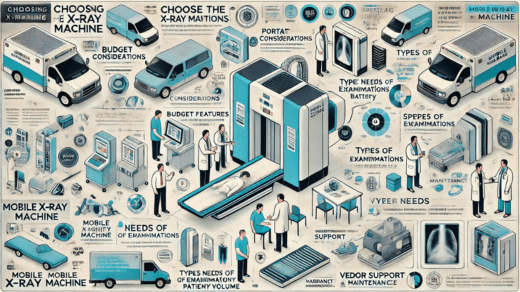
Mobile X-ray machines play a significant role in modern healthcare facilities. These systems simplify diagnostic imaging by offering flexibility and convenience. However, selecting a system that improves efficiency seems daunting. So, this post discusses the top aspects that determine the right choice of a mobile X-ray machine for your healthcare setup.
Top Aspects to Consider While Selecting a Mobile X-Ray Machine
Mobile imaging solutions like X-ray machines let medical staff take diagnostic images at any setting outside radiology departments or beside the patient’s bedside. It also reduces the risks of relocating patients within medical facilities. Let’s find out the parameters for selecting the right unit based on your preferences in the following:
Must be Easy to Use and Maneuver
First, mobility is the prime concern in today’s medical universe. That’s where the need for a portable X-ray machine comes into being. A portable setup is low-powered and easy to manoeuvre. Portable X-rays are crucial for urgent remote care or small medical practices. In fact, the lightweight units allow for quick and easy transportation, especially in the case of remote patient care. Choose the one that best suits your personal needs.
Accurate Results with Improved Image Quality
Digital X-rays produce premium-quality, clear, and more accurate images. When assessing a unit, you must focus on choosing the one that offers improved image quality. It must also offer advanced imaging procedures to improve image clarity and detail. This enhances healthcare experts’ diagnostic methods, improving and speeding up the treatment process.
Decent Battery Backup
Mobile X-ray works with the help of battery power. So, you do not need an extra power outlet. So, you must select a unit that offers a higher battery life and shorter charging time. The longer the battery life more functional the machine is for an extended time.
Durability and Maintenance
In medical settings, a mobile X-ray machine that can withstand frequent use is crucial. So, you must select units built with premium-quality materials. Besides, consider the maintenance requirements and support availability from the customer support team. Maintainance becomes a significant consideration if the diagnosis involves the need for cleaning and disinfecting to control infections.
An Intuitive Interface
Look for an X-ray machine with a user-friendly interface. Such a system improves function and promotes efficiency among healthcare experts. Systems with an intuitive user interface may include features like touchscreen displays and more. A few advanced systems may also include voice control or recognition features.
Understanding the Quantity – Patient Volume
The volume of work you need to perform on the machine also determines the choice. So, while evaluating this parameter, you must answer these questions:
How often should you use the machine
Do you wish to get it for daily use for various patients?
Do you wish to use it for remote patient care?
If you plan to use it frequently, you need to choose a unit with an excellent battery that captures multiple images on one charge.
Thus, by assessing the above factors, you can select a portable X-ray machine that meets your needs and enhances workflows.
Discover the allure of yoga retreat in Goa with Yoga Retreat Holiday. Experience tranquility amidst the golden beaches and lush landscapes of this coastal paradise, where each breath brings you closer to inner peace and harmony.
Indulge in Yin Yoga: Deepen Your Practice in Goa
Immerse yourself in the gentle embrace of yin yoga retreats in Goa. Allow the slow, meditative practice of yin yoga to unravel tension and restore balance, nurturing your body and soul amidst the serene surroundings of Goa.
Ashtanga Yoga Retreats in India: Ignite Your Inner Fire
Ignite your inner fire with ashtanga yoga retreat india. Dive into the dynamic flow of ashtanga yoga, where the union of breath and movement awakens your spirit and energizes your being amidst the vibrant energy of India’s spiritual heartland.
Wellness Retreats in Goa: Nourish Your Mind, Body, and Soul
Embark on a journey of holistic healing with wellness retreats in Goa. Treat yourself to rejuvenating yoga practices, nourishing cuisine, and rejuvenating spa treatments, as you reconnect with your innermost self amidst the tranquil surroundings of Goa.
Planning Your Retreat: Your Ultimate Guide to Yoga Retreat Holiday in Goa
Prepare for your retreat with our comprehensive guide to yoga Retreat in Goa. From travel tips to packing essentials, we’ve got everything you need to make the most of your retreat experience with Yoga Retreat Holiday.
Choosing the Right Retreat: Finding Your Perfect Match in Goa
Find the perfect retreat for you amidst our array of yoga retreats in Goa. Whether you seek relaxation, adventure, or spiritual growth, our diverse offerings cater to every yogi’s needs and preferences.
Connecting with Nature: Immersing Yourself in Goa’s Natural Beauty
Immerse yourself in the natural beauty of Goa during your yoga Retreat in Goa. From tranquil beaches to lush forests, Goa offers a stunning backdrop for your practice, inviting you to reconnect with the earth and find inner peace amidst its serene landscapes.
Building Community: Forge Lifelong Connections on Retreat
Join a supportive community of fellow yogis on your yoga Retreat in Goa. Share laughter, stories, and insights as you journey together towards self-discovery and personal growth, forming lasting friendships that extend beyond the retreat.
Practicing Mindfulness: Cultivate Presence and Awareness
Embrace mindfulness on your yoga Retreat in Goa. Let go of distractions and worries, allowing yourself to fully immerse in the present moment and cultivate a sense of peace and tranquility amidst the serene surroundings of Goa.
Prioritizing Self-care: Nurture Your Well-being on Retreat
At Yoga Retreat Holiday, we prioritize self-care on our yoga Retreats in Goa. Indulge in nourishing meals, restorative yoga practices, and rejuvenating therapies, allowing yourself to replenish your energy and restore balance to your life.
Healing Through Yoga: Restore Balance and Harmony
Experience the healing power of yoga on your yoga Retreat in Goa. From releasing physical tension to calming the mind, yoga offers a holistic approach to health and wellness, restoring balance and harmony to your body, mind, and spirit.
Savoring the Flavors: Delight Your Taste Buds in Goa
Treat your taste buds to the flavors of Goa during your Wellness Retreat in Goa. Indulge in fresh, locally sourced cuisine bursting with flavor and nutrition, as you nourish your body and tantalize your senses amidst the serene surroundings of Goa.
Expressing Creativity: Unleash Your Inner Artist
Tap into your creative potential on your yoga Retreat in Goa. From expressive movement to artistic expression, explore new avenues of self-discovery and self-expression amidst the inspiring landscapes of Goa.
Protecting the Environment: Embracing Sustainability on Retreat
At Yoga Retreat Holiday, we are committed to sustainability on our yoga Retreats in Goa. From eco-friendly accommodations to responsible consumption practices, we strive to minimize our environmental impact and preserve the natural beauty of Goa for future generations.
Yoga for All: Inclusive Practices for Every Body and Soul
We believe that yoga is for everyone at Yoga Retreat Holiday. Our yoga Retreats in Goa welcome practitioners of all ages, abilities, and backgrounds, providing a supportive and inclusive space for every individual to explore and deepen their practice.
Honoring Tradition: Embracing the Wisdom of Yoga
Honor the ancient traditions of yoga on your yoga Retreat in Goa. From classical asanas to spiritual teachings, our retreats pay homage to the timeless wisdom of yoga, guiding you on a journey of self-discovery and personal growth.
Creating Sacred Space: Cultivating Inner Peace and Tranquility
Find sanctuary within on your yoga Retreat in Goa. Our retreat centers provide a serene oasis where you can retreat from the outside world and reconnect with your innermost self, fostering a sense of peace and tranquility amidst the serene surroundings of Goa.
Embracing Imperfection: Cultivating Self-compassion and Acceptance
Embrace your imperfections with compassion on your yoga Retreat in Goa. Treat yourself with kindness as you embark on a journey of self-discovery and personal growth, embracing the beauty of your unique journey amidst the supportive community of Yoga Retreat Holiday.
Journey of Self-discovery: Unveiling Your True Essence
Embark on a journey of self-discovery and exploration on your yoga Retreat in Goa. Delve deep into the depths of your being, uncovering hidden truths and awakening to your true essence amidst the tranquil landscapes of Goa.
Cultivating Gratitude: Embracing the Blessings of Life
Cultivate gratitude and appreciation for life’s blessings on your yoga Retreat in Goa. Take a moment to reflect on the abundance and beauty that surrounds you, allowing gratitude to fill your heart and uplift your spirit amidst the serene surroundings of Goa.
Embracing Change: Flowing with the Rhythms of Life
Embrace change and adaptability on your yoga Retreat in Goa. Trust in the natural flow of life, surrendering to its ebbs and flows with grace and resilience as you navigate the path of self-discovery and personal growth amidst the tranquil surroundings of Goa.
Tapping into Inner Strength: Empowering Yourself to Thrive
Tap into your inner strength and resilience on your yoga Retreat in Goa. Awaken the warrior within, facing life’s challenges with courage and determination as you harness the transformative power of yoga amidst the supportive community of Yoga Retreat Holiday.
Finding Joy in the Journey: Celebrating Life’s Magic
Find joy and fulfillment in the journey of your yoga Retreat in Goa. Embrace each moment with gratitude and appreciation, savoring the beauty and wonder of the present as you embark on a transformative and life-affirming experience amidst the serene surroundings of Goa.
Integrating Your Experience: Applying Lessons Learned to Life
As your yoga Retreat in Goa draws to a close, take time to integrate the lessons and insights gained into your daily life. Carry the wisdom of your retreat experience with you, allowing it to inform and enrich your ongoing journey of self-discovery and personal growth amidst the serene surroundings of Goa.
Lower back pain is one of the most common issues people suffer from, and the symptoms and causes may vary from person to person. Nearly four out of five people suffer from this disease, and hence, it has become a common reason for people to visit their healthcare provider, seeking the best lower back pain treatment.
Many people do not consider it a serious issue that results in more complications. It is a common problem, but ignoring the symptoms can worsen it. Pain, stiffness, and muscle spasms can lead to more complicated situations, resulting in trouble completing daily chores and discomfort.
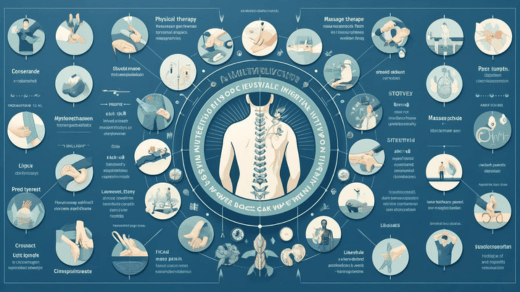
Fortunately, numerous non-invasive lower back pain treatments can help you at an early stage to reduce the severity of the condition. In this post, we will discuss the various non-invasive and minimally invasive lower back pain treatment options that can help alleviate the pain and discomfort.
Physical Therapy
In treating chronic lower back pain, physical therapy has proven to be one of the most effective treatment methods. It is also the first option that every healthcare provider recommends to their patients to relieve pain. Not all back pain is the same, and hence, it is essential to understand the causes and symptoms before starting physical therapy. Choose the exercises that are more effective in alleviating your symptoms. Some general exercises include stretching, walking, swimming, core strengthening exercises, and practicing mindfulness techniques.
Lifestyle Modifications
Keep a journal and identify the routines that are causing your lower back pain. Understanding your bad habits and making simple lifestyle changes can help relieve pain. For example, indulging in activities like gardening and bending for hours puts a strain on your back. Listen to your body and avoid activities that can cause more pain. Also, quit smoking and maintain good body posture, as such habits can delay the healing process.
Dietary Changes
Some foods, like trans fat and processed food, can increase inflammation and impact your lower back pain. Also, being fat or obese puts more pressure on the back, resulting in increased back pain issues. Eat healthy to maintain a healthy weight and reduce the problem of back pain.
Medications
Certain medications can provide temporary relief to your lower back pain. However, many of them are addictive and should not be taken without consulting your healthcare provider.
Injection Treatments
There are injection-based treatments, such as nerve ablations, nerve blocks, and epidural steroid injections, that can help relieve pain. But they provide temporary relief.
Back Braces
Using back braces during lower back pain treatment helps provide extra support to the spine and enhances the healing process. It reduces strain on the spine and removes excess weight on your back to maintain proper alignment.
Alternative Treatments
Other than these treatments, various other non-surgical treatments can help relieve your pain. Some of those treatments include acupuncture, biofeedback therapy, and electrical nerve simulation.
The Final Words
For more information on 100% non-surgical lower back pain treatment, book an appointment with the spine specialists of top healthcare centers like ANSSI Wellness and get assured guidance. Get a customized plan according to your symptoms and avoid the risks linked with surgery or Anesthesia.