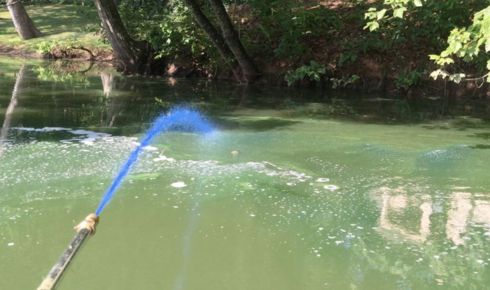
There’s something quietly magical about a pond. It might be tucked behind a farmhouse, sitting peacefully in a public park, or resting at the edge of a small garden. Water reflecting the sky, dragonflies hovering above the surface, maybe a few fish gliding beneath. But then, one summer morning, the water starts to look… different. A faint green tint appears. Within days it can turn into a thick, soupy mess of algae.
If you’ve ever dealt with that, you already know the frustration. The pond that once looked calm and inviting suddenly feels neglected. The good news? Algae problems are incredibly common, and with a little understanding, they’re manageable too.
Why Algae Shows Up in the First Place
Algae isn’t really the villain people imagine it to be. In small amounts, it’s part of a healthy aquatic ecosystem. The trouble begins when conditions shift in its favor.
Think about what algae loves: sunlight, warm temperatures, and nutrients. When ponds collect fertilizer runoff, organic debris like leaves, or excess fish waste, nutrients such as nitrogen and phosphorus build up. Add a few long sunny days and suddenly algae has everything it needs to multiply.
That’s when people start looking for ways to handle pond algae control effectively. But before rushing into treatments, it helps to understand that algae blooms are often symptoms of a deeper imbalance. Fixing the underlying cause usually works better than simply reacting to the green water.
The Many Faces of Pond Algae
Not all algae looks the same, which surprises a lot of pond owners.
Sometimes it forms long, stringy mats floating near the surface. Other times the water turns cloudy green, almost like pea soup. There’s also planktonic algae—tiny microscopic organisms that make the water look tinted rather than visibly tangled.
Each type behaves slightly differently. String algae often grows along rocks or pond edges, while planktonic algae spreads throughout the entire water column. Knowing which one you’re dealing with helps determine the right treatment approach.
Still, regardless of the type, the root cause often circles back to the same trio: sunlight, nutrients, and stagnant water.
A Traditional Tool: Copper-Based Treatments
For decades, pond managers have used copper-based products to reduce algae growth. These treatments work because copper interferes with the algae’s cellular processes, essentially stopping it from reproducing.
One commonly used option is copper sulfate algaecide, which has been trusted for many years in both farm ponds and managed water bodies. When applied carefully and in the correct dosage, it can significantly reduce algae blooms within days.
However, like any treatment, it isn’t a magic cure-all. Overusing copper can stress fish or beneficial organisms if concentrations become too high. That’s why many pond professionals recommend precise measurements, proper water testing, and responsible application rather than guesswork.
In other words, it’s a useful tool—but one that works best when combined with good pond management habits.
The Importance of Balance in Pond Water
Ponds thrive when their ecosystems stay balanced. That might sound like a vague idea, but it usually comes down to a few simple factors: oxygen, circulation, and nutrient control.
Aeration systems are a good example. By keeping water moving and oxygen levels stable, aerators discourage the conditions that allow algae to explode in growth. Water circulation also prevents nutrients from settling in one spot where algae can easily feed.
Plant life helps too. Aquatic plants absorb nutrients that would otherwise fuel algae blooms. Think of them as natural competitors quietly keeping the ecosystem in check.
It’s also worth paying attention to runoff. Lawns treated with fertilizer, nearby livestock areas, or even piles of decomposing leaves can add surprising amounts of nutrients to pond water.
When people start looking into pond water treatment, they often discover it’s less about a single product and more about creating the right environment for clear water to maintain itself.
Small Habits That Make a Big Difference
Sometimes the simplest adjustments produce the most noticeable improvements.
Regularly removing excess leaves from the pond surface can reduce organic buildup. Installing a small fountain or aerator can improve oxygen circulation almost immediately. Even limiting fish feeding can make a difference, since uneaten food becomes nutrient fuel for algae.
Shade also plays an underrated role. Floating plants like water lilies naturally reduce sunlight penetration, which slows algae growth. It’s a gentle solution, but surprisingly effective.
And honestly, pond care rarely needs to be complicated. A handful of consistent habits can prevent the kind of algae bloom that turns water bright green overnight.
A More Realistic Way to Think About Clear Water
Perfectly crystal-clear pond water sounds appealing, but nature doesn’t always aim for perfection. A healthy pond usually contains a little algae, a few plants, maybe even some murky corners. That’s normal.
The goal isn’t eliminating algae entirely—it’s keeping it under control so the ecosystem stays stable and the water remains pleasant to look at.
In many ways, managing a pond feels a bit like tending a garden. You adjust conditions, encourage balance, and step in occasionally when something grows out of control. Over time you learn what works, what doesn’t, and how the water behaves through different seasons.
And once you reach that point, the pond begins to look like it did before the algae arrived: calm, reflective, quietly alive. Not perfect, perhaps—but healthy, and that’s what really matters.